Forensic & Criminological Matrix
| Parameter | Forensic Detail |
|---|---|
| Forensic Heading / Aliases | N/A |
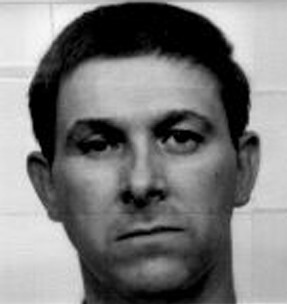
| Legal Identity | Gary James Johnson |
| Confirmed Victims | 1 |
| Attributed / Indicted Victims | 1 |
| Active Timeline | 1986 |
| Jurisdiction / Area of Operations | Texas, United States |
| Criminological Classification | Robbery-Homicide |
| Forensic Modus Operandi | Use of lethal force during armed robbery |
| Weapon / Mechanism of Death | Firearm |
| Motive / Behavioral Dynamics | Economic gain / Instrumental |
| Judicial Outcome | Death penalty (Executed) |
1. Background and Profile
Gary James Johnson (1950–2010) was an American offender whose criminal career ended with his execution in the state of Texas. His profile is consistent with instrumental criminality, where lethal violence was employed as a tool to facilitate the commission of a robbery.
2. Criminal Career and Modus Operandi
The primary crime for which he was prosecuted took place in 1986. Johnson, acting in concert with his brother, participated in an armed robbery that resulted in the death of a victim. The modus operandi involved the planning of a robbery that escalated into homicide upon confrontation with the victim.
3. Investigation and Arrest
Texas law enforcement officials linked Johnson to the homicide following an investigation that connected ballistic and testimonial evidence gathered at the crime scene. His brother's involvement in the events was a key factor in reconstructing the criminal sequence.
4. Legal Proceedings and Outcome
Following his arrest, Johnson was tried and sentenced to death. During his time on death row, he maintained a stance of denial regarding his direct responsibility for the homicide, claiming that others were the actual perpetrators and that he was unjustly scapegoated by the judicial system.
5. Forensic Psychiatric Assessment and Conclusion
Gary James Johnson was executed by lethal injection in 2010. His final statement included a farewell to his family and a persistent claim of innocence, asserting that the judicial system had held him accountable for crimes committed by others.