




Forensic & Criminological Matrix
| Parameter | Forensic Detail |
|---|---|
| Forensic Heading / Aliases | null |
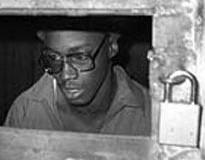
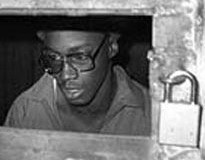
| Legal Identity | Edward Earl Johnson |
| Confirmed Victims | 1 |
| Attributed / Indicted Victims | 1 |
| Active Timeline | June 2, 1979 |
| Jurisdiction / Area of Operations | Walnut Grove, Mississippi, USA |
| Criminological Classification | Cop killer / Opportunistic offender |
| Forensic Modus Operandi | Home invasion, sexual assault, and firearm homicide |
| Weapon / Mechanism of Death | .25 caliber pistol and .357 Magnum revolver |
| Motive / Behavioral Dynamics | Avoiding arrest after felony commission |
| Judicial Outcome | Death sentence, executed via gas chamber |
1. Background and Profile
Edward Earl Johnson was born in 1960. At the age of 19, he became the center of a controversial legal case in Walnut Grove, Mississippi. His case became a focal point for civil rights activists and legal scholars who argued that his conviction was tainted by systemic racism and inadequate legal representation.
2. Crime Spree
On June 2, 1979, Johnson broke into the home of 69-year-old Sally Franklin. He threatened her with rape and knocked her unconscious during a struggle. When a boarder, Carmen Dennis, intervened, Johnson fled the scene. He was immediately confronted by Town Marshal J.J. Trest. Johnson shot Trest three times with a .25 caliber pistol, then used Trest's own .357 Magnum to shoot him twice in the head, resulting in fatal injuries.
3. Investigation and Arrest
The investigation relied heavily on the testimony of the surviving victim and the forensic evidence recovered at the scene. Despite defense claims pointing toward another suspect, Charles Coleman, the prosecution successfully argued that Johnson was the sole perpetrator of the capital murder of a peace officer.
4. Legal Proceedings and Outcome
Johnson's trial and subsequent appeals were marked by intense legal battles. His attorneys challenged the constitutionality of the death penalty application and the jury instructions. The case reached the U.S. District Court, where his petition for a writ of habeas corpus was denied. The BBC documentary 14 Days in May highlighted the perceived injustices of his trial, yet failed to stay his execution.
5. Final Disposition
Edward Earl Johnson was executed in the Mississippi gas chamber on May 20, 1987. His final statement reflected his resignation to the judicial outcome: "Well, I guess no one's going to call. OK, let's get this over with."