Forensic & Criminological Matrix
| Parameter | Forensic Detail |
|---|---|
| Forensic Heading / Aliases | null |
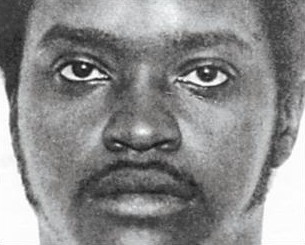
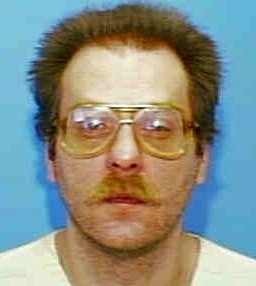
| Legal Identity | Anthony Keith Johnson |
| Confirmed Victims | 1 |
| Attributed / Indicted Victims | 1 |
| Active Timeline | 1984 |
| Jurisdiction / Area of Operations | Hartselle, Alabama, USA |
| Criminological Classification | Felony Murderer |
| Forensic Modus Operandi | Home invasion, armed robbery, shootout |
| Weapon / Mechanism of Death | .357 Magnum revolver / Gunshot wounds |
| Motive / Behavioral Dynamics | Robbery / Property crime |
| Judicial Outcome | Death penalty (Executed 2002) |
1. Background and Profile
Anthony Keith Johnson (1956–2002) was an American criminal whose career culminated in the 1984 murder of Kenneth Cantrell. Johnson's criminal history was characterized by substance abuse and property crimes, escalating to lethal violence during a home invasion robbery in Morgan County, Alabama.
2. Crime Spree
On March 11, 1984, Johnson and an accomplice forced their way into the Cantrell residence in Hartselle. After gaining entry by deception, they initiated an armed robbery. A gun battle ensued between the intruders and Kenneth Cantrell. Cantrell was struck by six bullets, suffering fatal wounds to his lungs and heart. Johnson was shot in the back during the exchange, a wound that would later serve as critical forensic evidence linking him to the crime scene.
3. Investigation and Arrest
Law enforcement tracked Johnson after he sought medical help for his gunshot wound. A witness, David Lindsey, provided testimony that Johnson admitted to the shooting. Forensic analysis of a bullet removed from Johnson's back revealed glass fragments matching the window pane at the crime scene, providing definitive physical evidence of his presence during the shootout.
4. Legal Proceedings and Outcome
Johnson was arrested on March 14, 1984. He was convicted of capital murder in June 1985. Despite a jury recommendation for life imprisonment, the trial judge imposed a death sentence. Johnson spent years filing appeals, including claims of ineffective assistance of counsel and the 'third man' defense theory, all of which were denied. He was executed by lethal injection on December 12, 2002.