



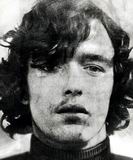
Forensic & Criminological Matrix
| Parameter | Forensic Detail |
|---|---|
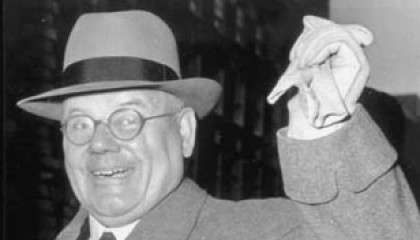
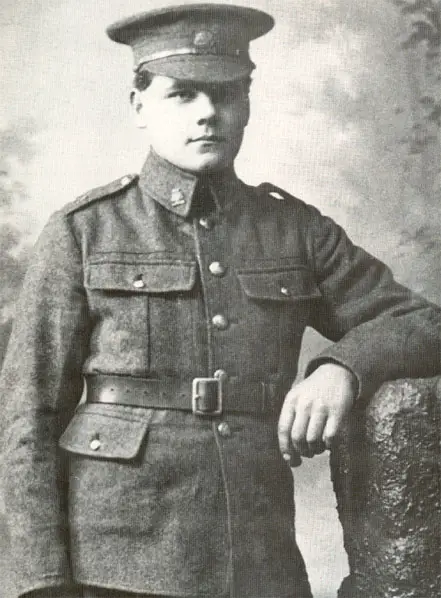
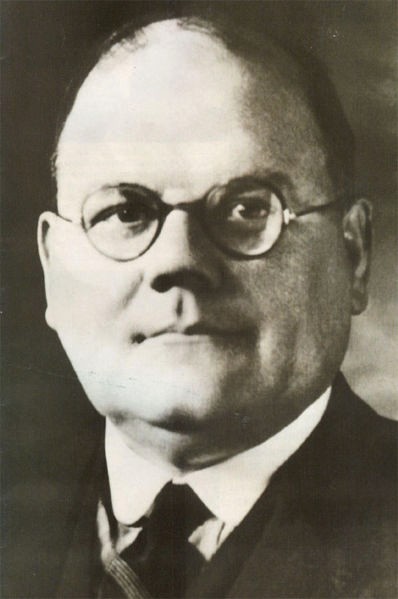
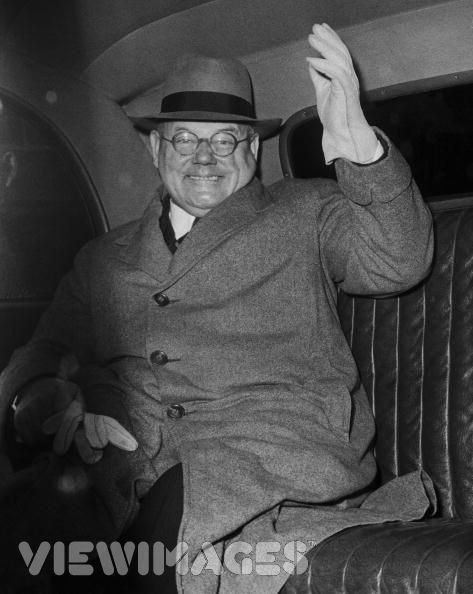
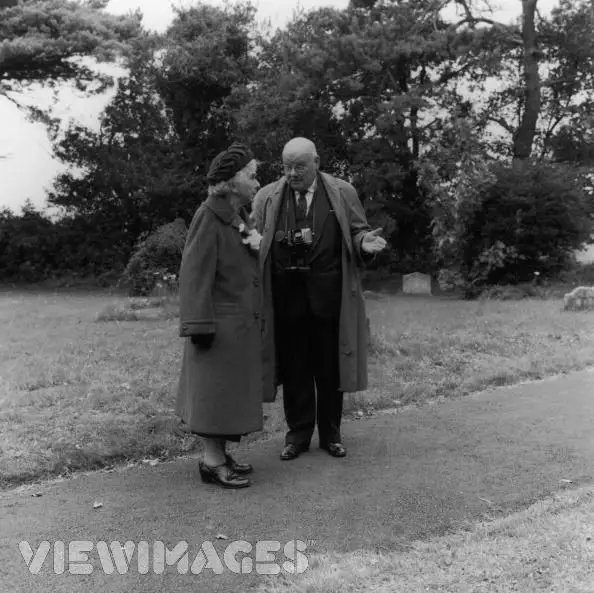
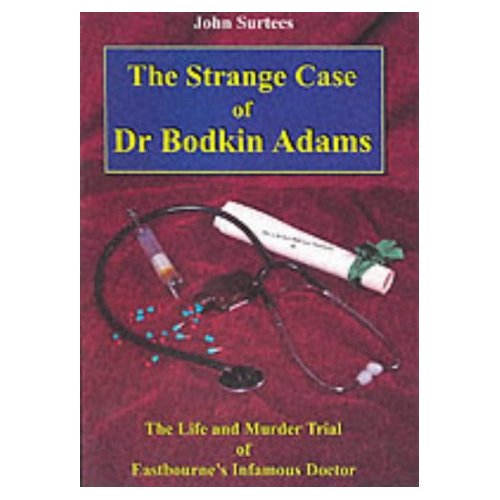
| Identity | Dr. John Bodkin Adams |
| Known Aliases | "The Eastbourne Angel of Death", "The Inheritance Doctor" |
| Criminal Classification | Suspected healthcare serial killer, medical poisoner, and testamentary fraudster |
| Date of Birth | January 21, 1899 (Randalstown, County Antrim, Ireland) |
| Date of Death | July 4, 1983 (Aged 84, Eastbourne, East Sussex, England; natural causes) |
| Criminal Indictment | Indicted for the willful murder of patient Edith Alice Morrell (acquitted); convicted of 13 counts of prescription forgery and fraudulent cremation declarations |
| Fatalities | 0 formal homicide convictions (Scotland Yard inquiries documented 163 elderly patients dying under suspicious drug overdoses, 132 of whom bequeathed major legacies to Adams) |
| Crime Scene | Seaside resort town of Eastbourne, East Sussex, England |
| Active Period Investigated | 1946 – 1956 |
| Modus Operandi | Continuous clinical administration of escalating lethal combinations of morphine, diamorphine (heroin), and barbiturates to wealthy elderly widows under the guise of palliative terminal sedation, combined with testamentary manipulation and rapid cremations to evade post-mortem toxicological analysis. |
| Motive | Financial greed (accumulating wills, cash bequests, fine jewelry, and Rolls-Royce motorcars). |
| Legal Status | Acquitted of murder at the Old Bailey in April 1957. Struck off the medical register in 1957; reinstated in 1961. Died a wealthy free citizen in 1983. |
Forensic Synopsis and Medico-Legal Legacy
The trial of Dr. John Bodkin Adams represents one of the most famous milestones in the history of Anglo-Saxon criminal jurisprudence and medical ethics. A general practitioner operating in the wealthy seaside retirement haven of Eastbourne, Adams attended to scores of aristocratic widows. Between 1946 and 1956, dozens of his elderly patients passed away shortly after altering their wills in his favor, bequeathing him vast estates, cash sums, and luxury automobiles.
His 1957 murder trial at the Central Criminal Court (the Old Bailey) permanently established the legal doctrine of the double effect in British and international criminal law: the ruling that a physician does not commit murder by administering high doses of analgesics if the primary therapeutic intention is to relieve agonizing pain, even if that medication foreseeably accelerates the patient’s demise.
The Eastbourne Practice and Inheritance Patterns
Raised in Northern Ireland within the strict Plymouth Brethren community, Adams qualified in medicine from Queen’s University Belfast before opening his private practice in Eastbourne in 1922:
- The Wealthy Clientele: Projecting a pious, reassuring bedside manner, Adams became the primary physician for the town’s wealthiest residents.
- Testamentary Legacies: Over three decades, 132 patients named Adams as a direct beneficiary or executor in their wills, gifting him antiques, properties, and a succession of Rolls-Royce automobiles.
- Cremation Expedience: Adams systematically signed cremation certificate counter-signatures, falsely certifying under penalty of perjury that he held no pecuniary interest in the deceased's estate, effectively ensuring rapid cremation destroyed all chemical toxicology exhibits.
The Scotland Yard Investigation: The Hannam Dossier (1956)
In 1956, following public alarm over the sudden death of socialite Gertrude Hullett, Scotland Yard assigned Detective Superintendent Herbert Hannam to head an undercover task force:
- The Inquiry: Hannam examined over 300 patient death certificates, concluding that at least 163 individuals had died prematurely from massive, medically unjustified opioid and barbiturate overdoses.
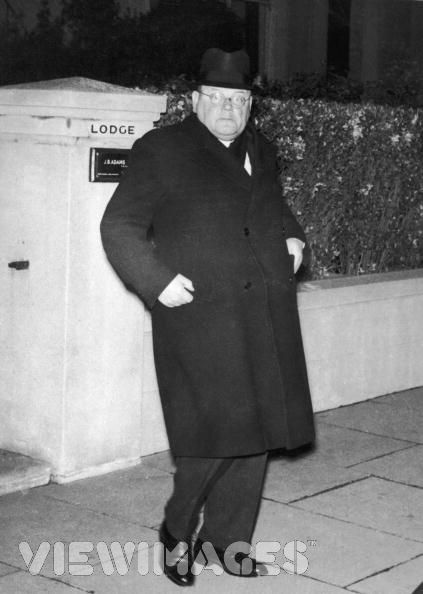
- The Arrest: In December 1956, detectives arrested Adams at his Kent Lodge residence. When charged with the murder of 81-year-old Edith Alice Morrell (who died in 1950), Adams famously retorted: "Murder? Murder? Can you prove it was murder? She was dying in any case... easing the passing of a dying person is not murder."
The 1957 Old Bailey Trial and the Double Effect Doctrine
The trial opened in March 1957 before High Court Judge Sir Patrick Devlin:
- The Crown's Case: Attorney General Sir Reginald Manningham-Buller argued that Adams systematically administered fatal overdoses of morphine and heroin to Morrell to secure a £1,000 legacy and an antique silver canteen.
- Geoffrey Lawrence’s Masterstroke: Defense counsel Geoffrey Lawrence KC produced the original nursing logbooks kept by attending nurses (unseen by prosecutors). Lawrence demonstrated that the injections were administered by qualified nurses across fluctuating pain crises rather than direct administration by Adams.
- The Landmark Direction: Mr Justice Devlin delivered a historic jury instruction that redefined medical euthanasia jurisprudence: "If the first purpose of medicine, the restoration of health, can no longer be achieved, there is still much for the doctor to do, and he is entitled to do all that is proper and necessary to relieve pain and suffering, even if the measures he takes may incidentally shorten life."
- Acquittal: The jury took only 44 minutes to return a verdict of not guilty.
Prescription Fraud, Reinstatement, and Death
Following his murder acquittal, Adams was prosecuted on separate indictments for thirteen counts of dangerous drug prescription fraud and cremation perjury:
- Fines and Disbarment: Fined heavily, he was struck off the medical register by the General Medical Council (GMC) in 1957.
- Reinstatement: In 1961, following persistent legal appeals, Adams had his medical license restored and resumed private practice in Eastbourne.
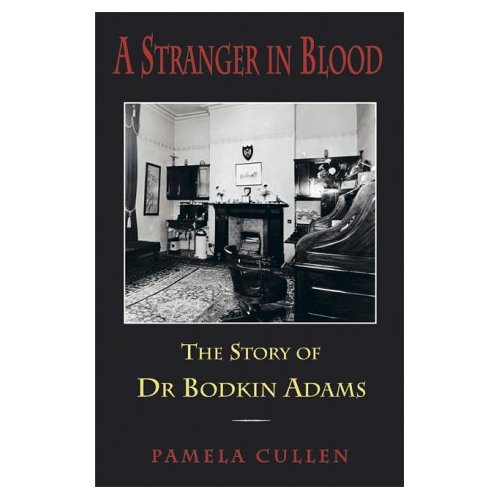
- Death in Affluence: Adams died on July 4, 1983, at age 84, leaving an estate exceeding £400,000. Contemporary forensic historians, including Pamela Cullen, maintain that Adams was almost certainly Great Britain’s most prolific healthcare serial killer prior to Harold Shipman.