




Forensic & Criminological Matrix
| Parameter | Forensic Detail |
|---|---|
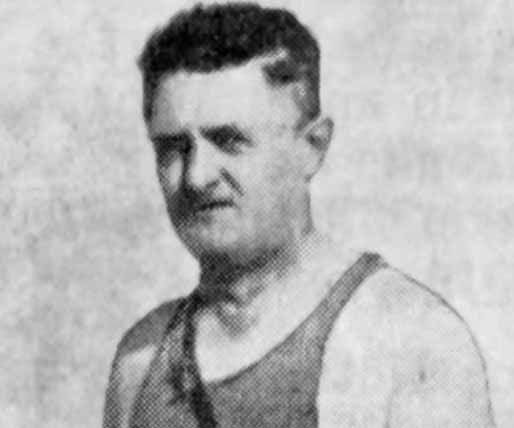
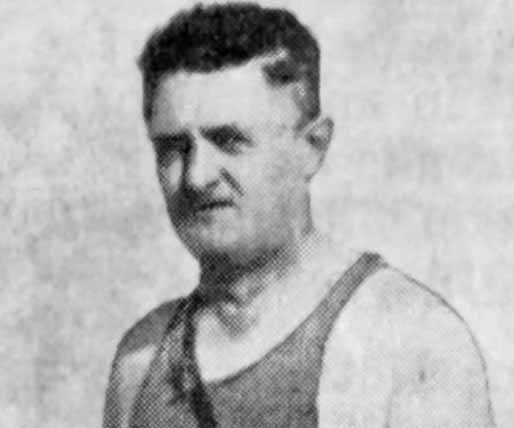
| Full Legal Name | Joseph Douglas Ball (Joe Ball) |
| Media Monikers | The Alligator Man, The Butcher of Elmendorf, The Texas Bluebeard |
| Nationality | American |
| Date of Birth | January 7, 1896, Elmendorf, Texas, United States |
| Date of Death | September 24, 1938 (aged 42, suicide via gunshot at his tavern) |
| Penal Status | Deceased prior to indictment; committed suicide in front of Bexar County sheriff deputies |
| Confirmed Murder Victims | 2 (Hazel Brown and Minnie Gotthardt, whose dismembered remains were forensically recovered) |
| Suspected Murder Victims | 12 to 20+ missing waitresses, employees, and former lovers |
| Active Criminal Span | Circa 1934 – September 1938 |
| Geographic Jurisdiction | Sociable Inn tavern, Elmendorf, Bexar County, Texas |
| Lethal Weaponry | Firearms (.45 caliber revolver, .32 pistol), butcher cleavers, and saws |
| Disposal Mechanism | Pit containing six large captive alligators alongside clandestine burial of dismembered bones |
| Primary Criminal Motive | Predatory psychopathy, domestic violence, misogyny, and lethal concealment of personal conflicts |
1. Criminological Trajectory and Early Life
Joseph Douglas Ball represents one of the darkest figures in Texas criminal folklore during the Great Depression. A decorated frontline infantry veteran of World War I, Ball returned to Texas and engaged in lucrative bootlegging operations during Prohibition.
Following repeal, he constructed a rustic roadside tavern and beer parlor in Elmendorf called the Sociable Inn. To attract customers from across Bexar County, Ball built a concrete pit behind the saloon housing six large live alligators. Patrons paid admission to watch Ball feed the carnivores live dogs, cats, and decaying meat, earning him the enduring moniker The Alligator Man.
2. Vanishing Waitresses at the Sociable Inn
Ball maintained an exceptionally high turnover of attractive young waitresses:
- He targeted impoverished young women seeking employment during economic collapse, frequently initiating romantic liaisons with them.
- Within weeks or months, the women vanished without collecting final wages or belongings. When questioned by kin or patrons, Ball dismissively claimed they had run off with wealthy suitors or abruptly skipped town.
- Missing women included former tavern co-owner and lover Minnie Gotthardt, Hazel Brown, Dolores Goodwin, and Bertha Cleveland.
3. Confrontation and Tavern Suicide (1938)
In September 1938, relatives of Hazel Brown and Minnie Gotthardt pressed formal missing-person inquiries with Bexar County authorities. Deputies noted a consistent nexus linking multiple missing women to Ball's establishment.
On September 24, 1938, Deputies John Gray and John Klevenhagen arrived at the Sociable Inn to escort Ball in for formal questioning:
- Ball appeared uneasy and walked behind the bar under the pretense of securing his cash register.
- Opening a drawer, he pulled a Colt .45 revolver and discharged a bullet through his own chest, collapsing onto the tavern floor and dying instantly before the deputies could intervene.
4. Accomplice Confession and Forensic Excavations
Following Ball's suicide, his tavern handyman, Clifford Wheeler, broke down under interrogation:
- Wheeler confessed that Ball had executed Hazel Brown and Minnie Gotthardt in cold blood, forcing him under threat of death to assist in dismembering the corpses with saws and meat axes.
- Wheeler led investigators to the San Antonio River banks, where forensic excavation unearthed butchered limbs, calcined bones, and the severed head of Hazel Brown.
- Later, Wheeler directed deputies to an unpaved burial plot in Dilley, uncovering Minnie Gotthardt's partially decayed body.
- Wheeler testified that Ball frequently tossed human soft tissue into the alligator pit to expedite disposal, a claim that fueled popular legend though alligator digestive tracts yielded primarily non-human remains.
5. Judicial Closure and Cultural Legacy
Ball's killings stand as an early landmark in American serial homicide of transient hospitality workers. Clifford Wheeler was sentenced to two years' imprisonment for concealing homicides.
The macabre narrative of Joe Ball and his alligator enclosure famously inspired filmmaker Tobe Hooper's cult horror classic Eaten Alive (1977), remaining a prominent chapter in American forensic history.