



Forensic & Criminological Matrix
| Parameter | Forensic Detail |
|---|---|
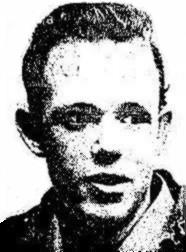
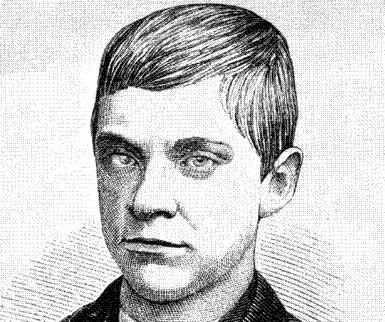
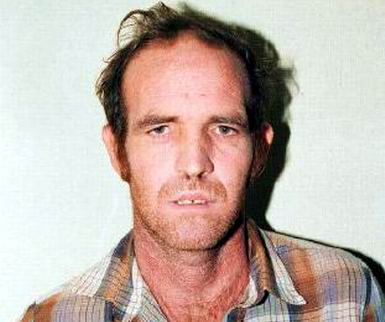
| Identity | Jesse Harding Pomeroy |
| Known Aliases | "The Boston Boy Fiend", "The Boy Slayer" |
| Criminal Classification | Sadistic juvenile serial killer and child torturer |
| Date of Birth | November 29, 1859 (Charlestown, Massachusetts, United States) |
| Date of Death | September 29, 1932 (Aged 72, Bridgewater State Hospital, Massachusetts; natural causes) |
| Criminal Indictment | First-degree murder with extreme atrocity and cruelty of two children; multiple counts of aggravated assault and torture of minors |
| Fatalities | 2 confirmed child murders (Katie Curran, 10; Horace Millen, 4; plus at least 8 documented young torture survivors) |
| Crime Scenes | Boston, Charlestown, Chelsea, and South Boston, Massachusetts, United States |
| Active Period | 1871 – 1874 (aged 11 to 14 years old) |
| Modus Operandi | Enticing younger children to marshes or basements, binding with cord, stripping naked, severe flogging, systematic pin/blade puncture mutilations, ocular evisceration, throat slashing, and subsoil concealment. |
| Motive | Psychopathic sadism, primal domination, and compulsive eroticized infliction of torment upon helpless juveniles. |
| Legal Status | Sentenced to capital punishment by hanging in December 1874 at age 15. Commuted in 1876 to life imprisonment in solitary confinement. Served 58 years in state custody until his death in 1932. |
Forensic Synopsis and Criminological Significance
Jesse Harding Pomeroy represents a legendary case in American jurisprudence and developmental forensic psychopathology as the youngest individual ever convicted of first-degree murder in Massachusetts history. Between the ages of 11 and 14, Pomeroy engaged in a reign of horrific physical torture against small children in the Boston area, culminating in the throat-slashing and mutilation of two young victims in 1874.
The proceedings initiated unprecedented ethical and psychiatric debates regarding juvenile psychopathy, Cesare Lombroso’s emerging criminal anthropology, and the moral authority of the state to execute a teenager. Consecutive governors refused to sign his execution death warrant, culminating in a historic commutation to permanent solitary confinement that spanned over four decades in Charlestown State Prison.
The 1871–1872 Child Torture Spree
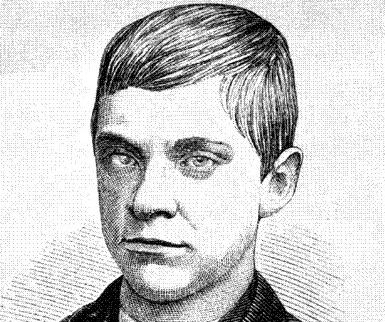
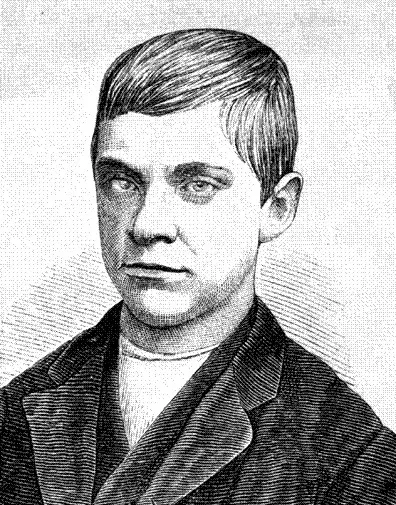
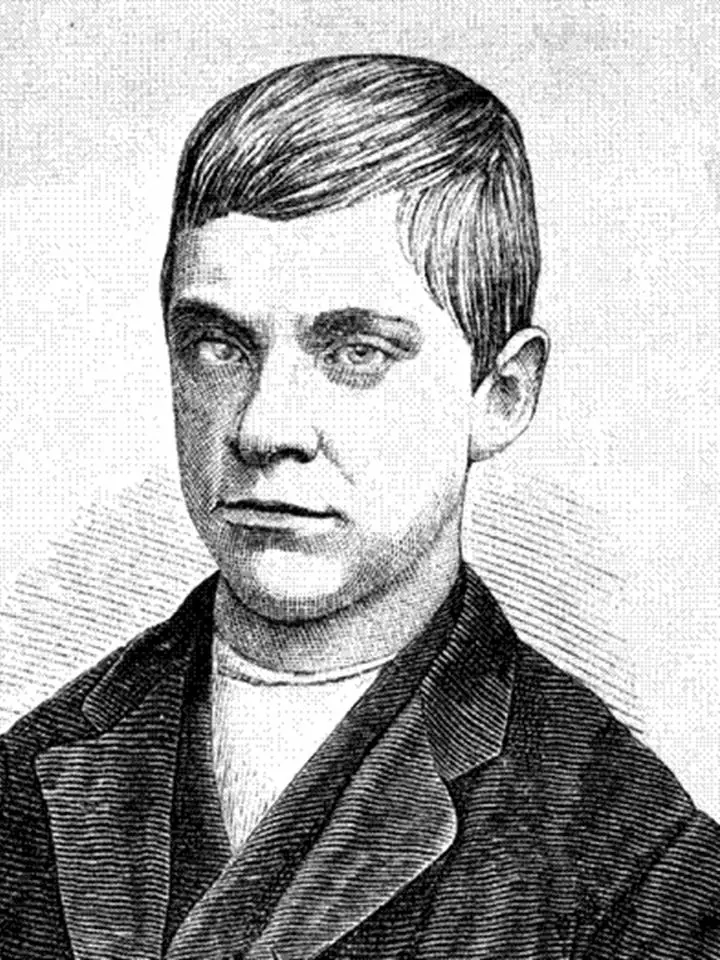
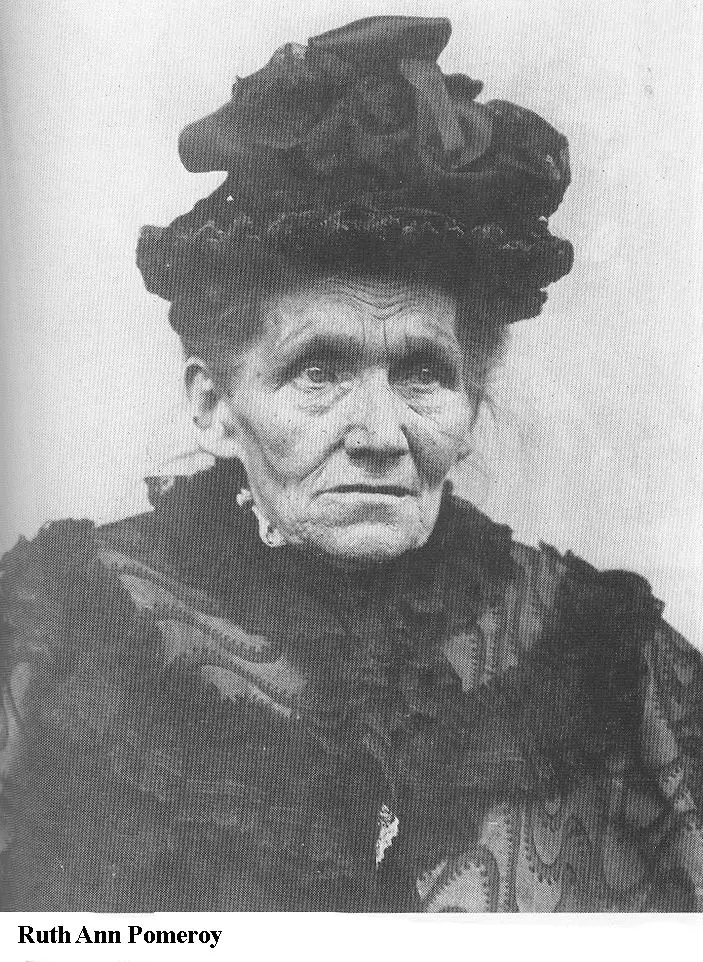
Born to Thomas and Ruth Pomeroy, Jesse possessed a striking physical anomaly: a congenital leukoma or coloboma in his right eye that left his pupil a marble-white opacity, lending his gaze a menacing quality. By age 11, he acted out severe sadomasochistic compulsions:
- Luring Victims: Pomeroy targeted boys aged four to eight, offering toys or candy to coax them into secluded railway ditches and sheds.
- Methodical Torment: He tied them down, stripped them, and flogged them with heavy leather harness straps before puncturing their skin with penknives, inserting needles under their gums, and leaving them bleeding and bound.
- Reform School: Arrested in September 1872 for attacking eight boys, he was committed to the Massachusetts State Reform School for Boys at Westborough. Deemed a reformed, polite youth by prison trustees, he was paroled in February 1874 to his mother’s custody in South Boston.
The 1874 Homicides: Katie Curran and Horace Millen
Within a month of his release, Pomeroy escalated from torture to murder:
- The Murder of Katie Curran (March 18, 1874): Ten-year-old Mary Catherine "Katie" Curran entered the Pomeroy family dressmaking shop to purchase a notebook. Jesse lured her into the cellar, severed her carotid artery with a butcher knife, mutilated her torso, and buried her corpse in a pit of coal ash.
- The Murder of Horace Millen (April 22, 1874): Pomeroy enticed 4-year-old Horace Millen to Savin Hill beach in Dorchester. In the desolate marsh, he stripped the toddler, stabbed him fourteen times in the neck, chest, and groin, attempted to gouge out his eyes with a pocketknife, and slashed his throat.
Arrest, Discovery of the Corpse, and Trial
When Horace Millen’s mutilated body was recovered, detectives instantly recalled the one-eyed boy fiend:
- Arrest and Investigation: Pomeroy was arrested that evening. Weeks later, when the family business moved premises, laborers unearthing the cellar detected the stench of decomposition and unearthed Katie Curran’s body beneath the floorboards where Pomeroy had walked daily.
- The Suffolk Trial: His trial opened in December 1874 before the Supreme Judicial Court. Defense attorney Charles Robinson presented a pioneer defense of "moral insanity," arguing uncontrollable instinctive homicide impulses.
- Capital Sentence: On December 10, 1874, the jury found him guilty of murder in the first degree, adding a recommendation for mercy due to his youth. Chief Justice Horace Gray sentenced the 15-year-old to hang.
Commutation and Lifelong Solitary Confinement
A crisis of conscience gripped the Massachusetts Governor's Council:
- Executive Refusal: Governor William Gaston twice refused to sign the execution warrant. In August 1876, Governor Alexander H. Rice commuted the sentence to life imprisonment in solitary confinement.
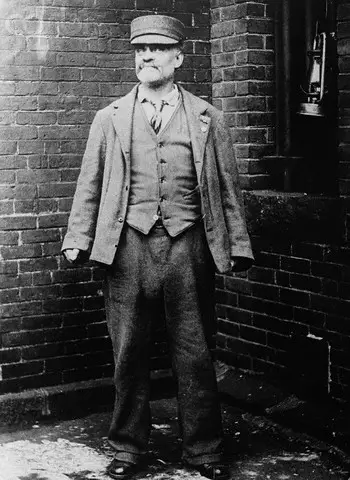
- Four Decades of Solitude: Kept in total isolation at Charlestown State Prison, Pomeroy taught himself French, German, Arabic, and Hebrew, read thousands of books, and penned poetry and an autobiography.
- Death in Custody: Transferred to Bridgewater State Hospital in 1929 due to advanced senility and blindness, Jesse Pomeroy died of cardiovascular disease on September 29, 1932, at age 72, having spent 58 years in continuous detention.