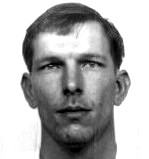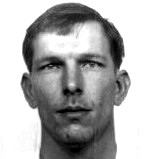




Forensic & Criminological Matrix
| Parameter | Forensic Detail |
|---|---|
| Forensic Heading / Aliases | null |
| Legal Identity | Joseph Paul Jernigan |
| Confirmed Victims | 1 |
| Attributed / Indicted Victims | 1 |
| Active Timeline | 1981 |
| Jurisdiction / Area of Operations | Corsicana, Texas, USA |
| Criminological Classification | Robbery-homicide offender |
| Forensic Modus Operandi | Home invasion, blunt force assault, and execution by firearm |
| Weapon / Mechanism of Death | Ashtray, kitchen knife, and shotgun |
| Motive / Behavioral Dynamics | Robbery and witness elimination |
| Judicial Outcome | Death penalty via lethal injection |
1. Background and Psychopathy
Joseph Paul Jernigan was born on January 31, 1954, in Geneva, Illinois. Raised in a low-income household with a history of strict discipline, Jernigan struggled with learning disabilities and chronic substance abuse throughout his adult life. His military career as a mechanic ended in a general discharge. Psychological evaluations characterized him as a passive-aggressive individual prone to volatile outbursts.
2. Crime Spree
On July 3, 1981, Jernigan and an accomplice, Roy Lamb, burglarized a home in Dawson, Texas. Upon being confronted by 75-year-old homeowner Edward Hale, Jernigan attacked him with an ashtray and a kitchen knife before ultimately executing him with a shotgun. The crime was motivated by the desire to eliminate the witness to the burglary.
3. Investigation and Arrest
Law enforcement identified Jernigan following information provided by his wife, Vicki Jernigan. He was apprehended in Houston and subsequently confessed to the murder of Edward Hale.
4. Legal Proceedings and Outcome
Jernigan was convicted of capital murder in 1981. Despite multiple appeals regarding the effectiveness of his legal counsel and the mitigation phase of his trial, his death sentence was upheld by the Fifth Circuit Court of Appeals. He was executed by lethal injection on August 5, 1993.
5. Forensic Legacy
Post-execution, Jernigan's body was donated to the University of Colorado Health Sciences Center. He became the subject of the 'Visible Human Project', where his body was frozen, sliced into 1,878 cross-sections, and digitally photographed to create a comprehensive anatomical atlas for medical research.