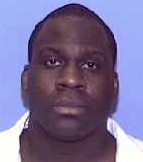
Forensic & Criminological Matrix
| Parameter | Forensic Detail |
|---|---|
| Forensic Heading / Aliases | None |
| Legal Identity | Corey James Jennings |
| Confirmed Victims | 1 |
| Attributed / Indicted Victims | 1 |
| Active Timeline | March 6, 2000 |
| Jurisdiction / Area of Operations | Houston, Texas |
| Criminological Classification | Murderer / Robber |
| Forensic Modus Operandi | Armed robbery with firearm |
| Weapon / Mechanism of Death | Pistol |
| Motive / Behavioral Dynamics | Robbery / Capital Murder |
| Judicial Outcome | Death penalty (executed) |
1. Background and Profile
Corey James Jennings was born on March 31, 1975, in St. Louis, Missouri. Prior to his criminal activity in Texas, he worked as a warehouseman and laborer. He had no prior prison record before the capital murder committed in 2000.
2. Crime Spree
On March 6, 2000, in Houston, Texas, Jennings fatally shot a 20-year-old Asian male during the robbery of a convenience store. The investigation revealed that Jennings had discussed plans to rob other businesses, specifically targeting locations where he had knowledge of the staff or operations, using a pistol as his primary weapon.
3. Investigation and Forensic Hunt
The investigation relied heavily on eyewitness identification. Despite defense motions to suppress identification testimony on the grounds of suggestive procedures, the trial court ruled the evidence admissible. Witnesses including Mitchell Gardiner and Jason Richardson provided testimony that linked Jennings to the crime scene.
4. Legal Proceedings and Outcome
Jennings was convicted of capital murder in March 2001 in Harris County. He raised twenty points of error on appeal, challenging the admissibility of evidence, the jury instructions regarding future dangerousness, and the constitutionality of the death penalty sentencing phase. The Texas Court of Criminal Appeals rejected all contentions and affirmed the conviction and death sentence.
5. Psychiatric Evaluation and Final Disposition
The jury found that Jennings posed a continuing threat to society, a finding that supported the death sentence. After exhausting his appeals, Jennings was executed in 2006.