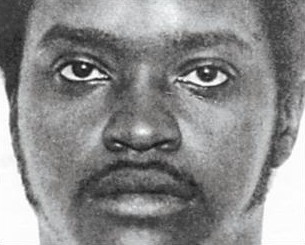
Forensic & Criminological Matrix
| Parameter | Forensic Detail |
|---|---|
| Forensic Heading / Aliases | null |
| Legal Identity | Thomas Jennings |
| Confirmed Victims | 1 |
| Attributed / Indicted Victims | 1 |
| Active Timeline | 1910 |
| Jurisdiction / Area of Operations | Chicago, Illinois |
| Criminological Classification | Murderer / Burglar |
| Forensic Modus Operandi | Home invasion with firearm usage |
| Weapon / Mechanism of Death | Revolver |
| Motive / Behavioral Dynamics | Financial gain (Robbery) |
| Judicial Outcome | Death sentence by hanging |
1. Background and Profile
Thomas Jennings was a career criminal with a history of burglary. His behavioral profile indicates a transition from property crime to lethal violence when confronted during a home invasion.
2. Crime Spree
On September 19, 1910, Jennings broke into a home in Chicago. When confronted by the homeowner, Clarence Hiller, Jennings shot and killed him. During his escape, Jennings left clear fingerprints on a freshly painted railing, which became the central piece of evidence.
3. Investigation and Arrest
Chicago police investigators lifted the prints from the railing and matched them against the existing criminal records of Jennings. This forensic breakthrough allowed authorities to link him directly to the crime scene.
4. Legal Proceedings and Outcome
The trial of Thomas Jennings is a landmark in American jurisprudence. The defense challenged the scientific validity of fingerprint identification, but the court upheld its admissibility. This ruling established the legal standard for fingerprint evidence in the United States.
5. Forensic Psychiatry and Final Disposition
Following the exhaustion of his appeals, Jennings was executed by hanging on February 16, 1912, at the Cook County Jail.