Forensic & Criminological Matrix
| Parameter | Forensic Detail |
|---|---|
| Forensic Heading / Aliases | None |
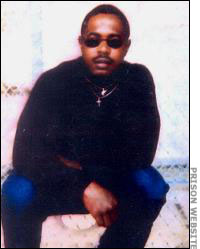
| Legal Identity | Anthony J. Jackson |
| Confirmed Victims | 2 (Ellen Ann Reich, Damaris Synge Gillispie) |
| Attributed / Indicted Victims | 6 |
| Active Timeline | 1972 |
| Jurisdiction / Area of Operations | Boston, Cambridge, Roxbury, Dorchester (Massachusetts) |
| Criminological Classification | Serial Killer |
| Forensic Modus Operandi | Victim stalking, strangulation, firearm use, and body concealment |
| Weapon / Mechanism of Death | Strangulation and .22 caliber revolver |
| Motive / Behavioral Dynamics | Sexual predator, control and dominance |
| Judicial Outcome | Life imprisonment for first-degree murder |
1. Background and Profile
Anthony J. Jackson was a serial offender active in Massachusetts during the early 1970s. His criminal history is marked by a rapid escalation of violence. Living in Dorchester, he maintained a lifestyle that facilitated his predatory activities against young women.
2. Crime Spree
Jackson was convicted for the murders of Ellen Ann Reich and Damaris Synge Gillispie. Both victims were young women targeted while hitchhiking or commuting. The forensic evidence, including ballistics and personal items found in his possession, linked him directly to the crime scenes.
3. Investigation and Arrest
Law enforcement efforts were bolstered by the recovery of a pearl-handled revolver and forensic evidence from his apartment. His arrest followed a violent shootout with Cambridge police in December 1972, which provided the initial link to his broader criminal activities.
4. Legal Proceedings and Outcome
Jackson's trials were characterized by his attempts to represent himself and his frequent dismissal of counsel. Despite these dilatory tactics, the overwhelming forensic evidence led to his conviction for first-degree murder and subsequent life sentences.
5. Psychiatric Assessment and Conclusion
Jackson exhibited signs of a calculated, predatory nature. His statements regarding the 'professionalization' of his crimes indicate a lack of remorse and a high level of criminal sophistication.