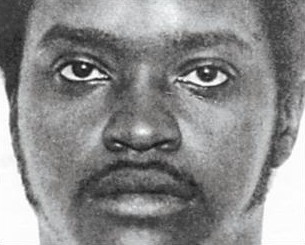
Forensic & Criminological Matrix
| Parameter | Forensic Detail |
|---|---|
| Forensic Heading / Aliases | None |
| Legal Identity | Nicholas Lee Ingram |
| Confirmed Victims | 1 |
| Attributed / Indicted Victims | 1 |
| Active Timeline | 1983 |
| Jurisdiction / Area of Operations | Cobb County, Georgia, USA |
| Criminological Classification | Murderer / Violent Offender |
| Forensic Modus Operandi | Home invasion and armed robbery with lethal violence |
| Weapon / Mechanism of Death | Firearm / Electric Chair |
| Motive / Behavioral Dynamics | Robbery / Criminal intent |
| Judicial Outcome | Death sentence, executed in 1995 |
1. Background and Profile
Nicholas Lee Ingram was a dual British and American citizen. His life was characterized by a history of petty crime and instability, which escalated into the 1983 murder of J.C. Sawyer. He spent 12 years on death row, maintaining a defiant stance until his execution.
2. Crime Spree
On June 3, 1983, Ingram committed a home invasion at the residence of J.C. Sawyer, a retired military veteran in Cobb County, Georgia. During the robbery, Ingram shot and killed Sawyer and severely assaulted his wife, Mary Eunice Sawyer.
3. Investigation and Arrest
Law enforcement officials in Cobb County successfully linked Ingram to the crime scene through forensic evidence and witness testimony, leading to his swift arrest and indictment.
4. Legal Proceedings and Outcome
Ingram was convicted in 1983 and sentenced to death. His case became a focal point for international debate regarding the death penalty, involving numerous appeals to the 11th Circuit Court of Appeals and the U.S. Supreme Court, all of which failed to overturn his sentence.
5. Forensic Conclusion
Nicholas Ingram was executed via the electric chair on April 7, 1995, at the Georgia Diagnostic and Classification Center. His death marked the end of a protracted legal odyssey that highlighted the complexities of capital punishment in the United States.