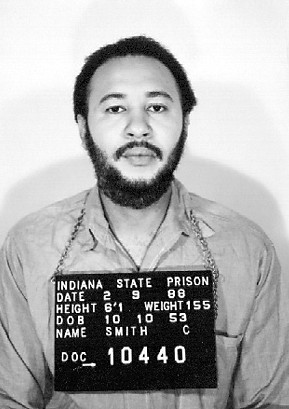
Forensic & Criminological Matrix
| Parameter | Forensic Detail |
|---|---|
| Forensic Heading / Aliases | None |
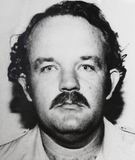
| Legal Identity | Phillip Lee Ingle |
| Confirmed Victims | 4 |
| Attributed / Indicted Victims | 4 |
| Active Timeline | 1991 |
| Jurisdiction / Area of Operations | Rutherford and Gaston County, North Carolina |
| Criminological Classification | Serial Killer |
| Forensic Modus Operandi | Surprise attack with blunt instruments |
| Weapon / Mechanism of Death | Axe handle, tire iron |
| Motive / Behavioral Dynamics | Sadism, Borderline Personality Disorder |
| Judicial Outcome | Death sentence (executed 1995) |
1. Background and Profile
Phillip Lee Ingle (1961–1995) was a deeply troubled individual with a history of childhood trauma, including witnessing his mother's suicide attempts and suffering sexual abuse. He struggled with chronic substance abuse and was frequently institutionalized. Forensic experts diagnosed him with Borderline Personality Disorder.
2. Crime Spree
Ingle committed two double-homicides in 1991. In July, he murdered William Fred Davis and Margaret Shufford Davis in Rutherford County using an axe handle. In September, he murdered E.Z. and Sarah Willis in Gaston County using a tire iron. He later admitted to acquaintances that he derived pleasure from watching his victims suffer.
3. Investigation and Arrest
Following the Davis murders, the case remained unsolved for weeks. Ingle eventually confessed to his friend Jeff Houser, even offering to kill Houser's neighbor. Houser and Steve White contacted the State Bureau of Investigation (SBI), leading to Ingle's arrest and subsequent confession to both sets of murders.
4. Legal Proceedings and Outcome
Ingle was convicted of four counts of first-degree murder and one count of first-degree burglary. His defense team argued that he was in a psychotic state at the time of the crimes, but the jury rejected this. He was sentenced to death in 1993.
5. Forensic Psychiatric Evaluation and Execution
After the North Carolina Supreme Court upheld his conviction, Ingle waived his remaining appeals, citing a desire to spare the victims' families further trauma. He was executed by lethal injection on September 22, 1995.