Forensic & Criminological Matrix
| Parameter | Forensic Detail |
|---|---|
| Forensic Heading / Aliases | None |
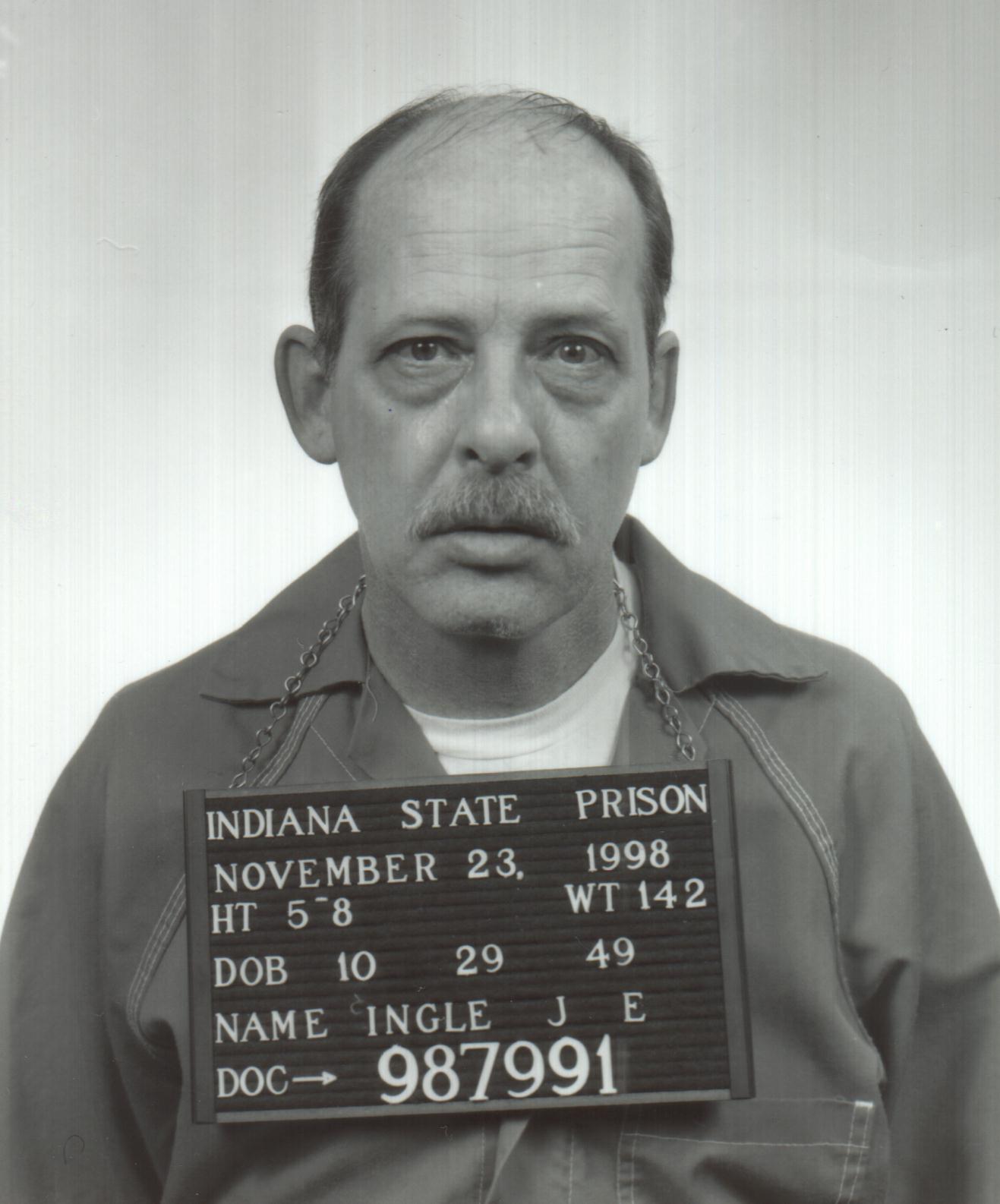
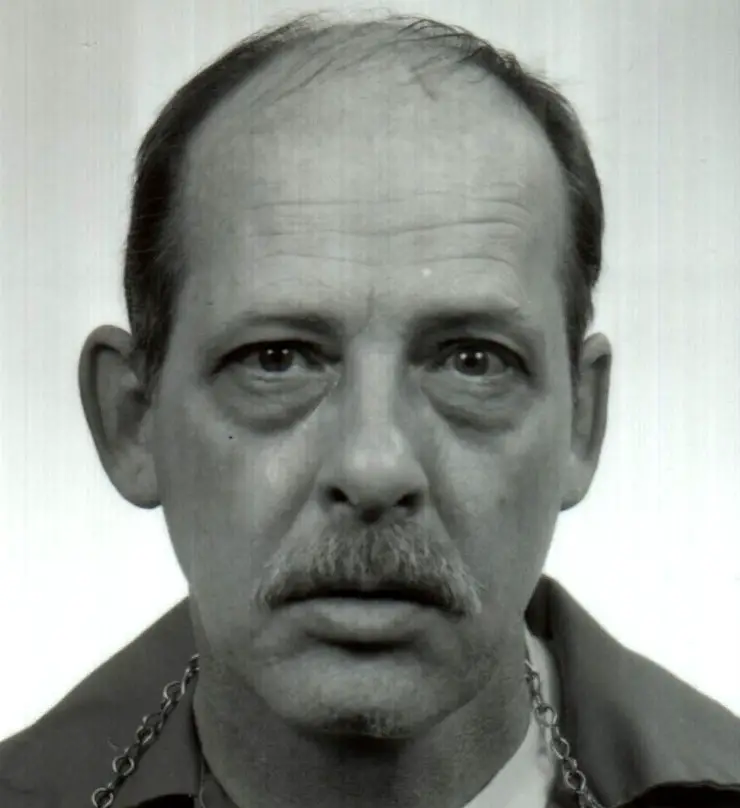
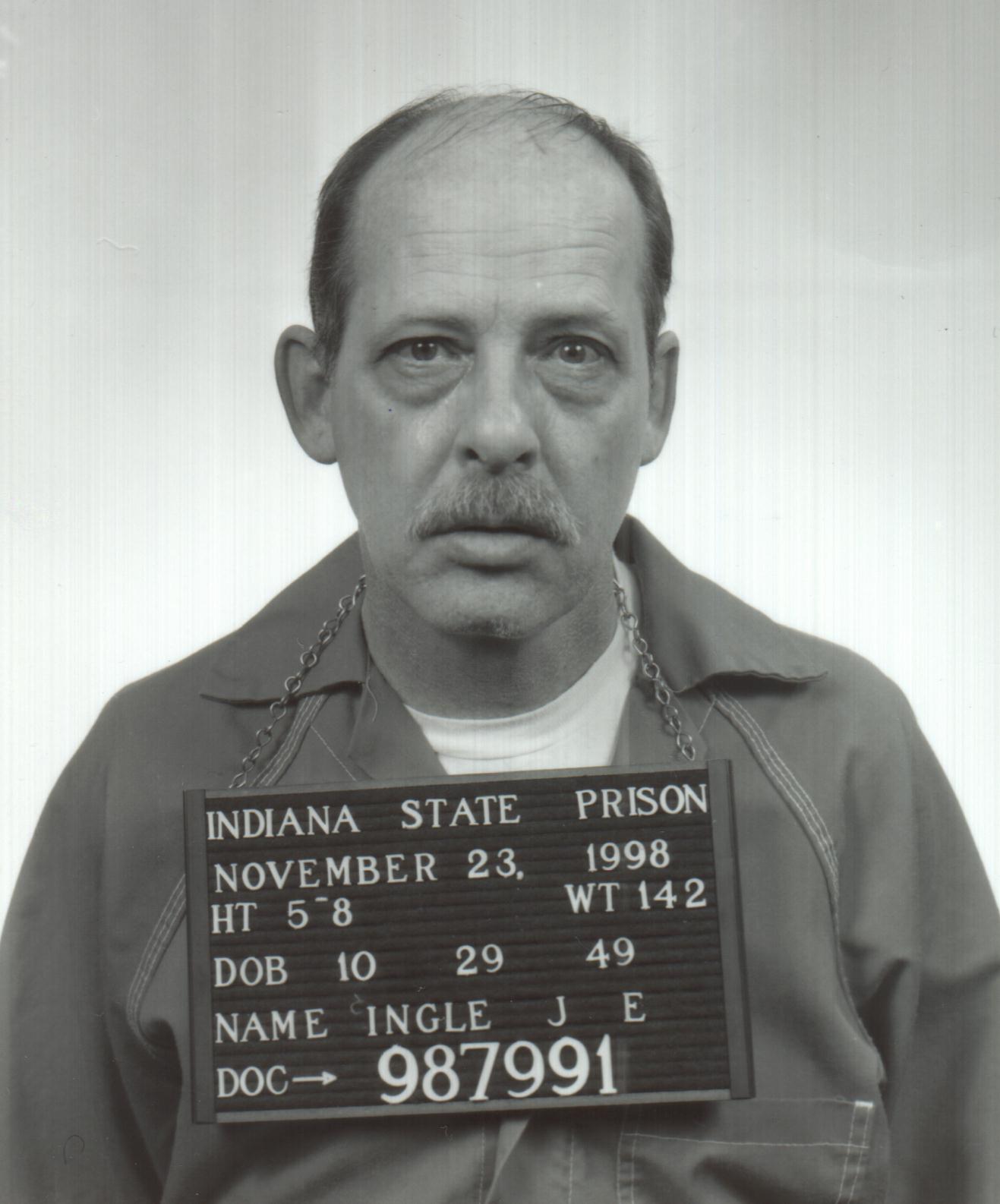
| Legal Identity | John Edward Ingle |
| Confirmed Victims | 1 |
| Attributed / Indicted Victims | 1 |
| Active Timeline | July 27, 1996 |
| Jurisdiction / Area of Operations | New Albany, Floyd County, Indiana |
| Criminological Classification | Domestic Murderer / Stalker |
| Forensic Modus Operandi | Stalking, use of disguises, surveillance, and execution by firearm |
| Weapon / Mechanism of Death | Handgun |
| Motive / Behavioral Dynamics | Domestic violence, Intermittent Explosive Disorder |
| Judicial Outcome | 115-year prison sentence (after death penalty was vacated) |
1. Background and Profile
John Edward Ingle (1949–2009) was involved in a twenty-five-year marriage characterized by severe domestic violence. He married his victim, Debbie Chaffin Ingle, immediately following his release from federal prison when she was seventeen. His behavior was defined by coercive control, preventing his wife from leaving through physical intimidation.
2. Criminal Career and Modus Operandi
In July 1996, after Debbie moved out, Ingle began a weeks-long stalking campaign using disguises and borrowed vehicles. On July 27, 1996, he confronted her at her workplace. When she recognized him and called for help, he shot her seven times. During his escape, he shot a New Albany police officer three times, who survived due to a protective vest.
3. Investigation and Arrest
Police apprehended Ingle within minutes of the shooting. The investigation gathered evidence of his premeditated stalking, including the disguises and the weapon used in the assault on the victim and the responding officer.
4. Legal Proceedings and Outcome
Ingle was convicted in Floyd County Superior Court. Although initially sentenced to death in 1998, the Indiana Supreme Court vacated the sentence in 2001, citing insufficient evidence for the aggravating circumstances of kidnapping and lying in wait. He was subsequently resentenced to 115 years in prison.
5. Psychiatric Evaluation and Conclusion
Psychiatric evaluations noted Intermittent Explosive Disorder. Ingle remained incarcerated until his death in 2009.