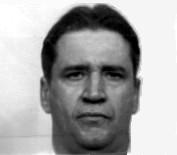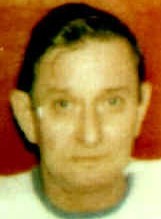
Forensic & Criminological Matrix
| Parameter | Forensic Detail |
|---|---|
| Forensic Heading / Aliases | None |
| Legal Identity | James William Hutchins |
| Confirmed Victims | 3 |
| Attributed / Indicted Victims | 3 |
| Active Timeline | 1979 |
| Jurisdiction / Area of Operations | McDowell County, North Carolina |
| Criminological Classification | Cop killer |
| Forensic Modus Operandi | Firearm usage in direct confrontation |
| Weapon / Mechanism of Death | Firearms |
| Motive / Behavioral Dynamics | Emotional instability / Unknown |
| Judicial Outcome | Death penalty, executed March 16, 1984 |
1. Background and Profile
James William Hutchins (1929–1984) had a documented criminal history, including a 1955 manslaughter conviction and multiple assault charges. His mental state became a focal point of his post-conviction appeals, though claims of insanity were repeatedly dismissed by federal courts.
2. Crime Spree
On September 21, 1979, Hutchins murdered three law enforcement officers in McDowell County. The incident resulted in two first-degree murder convictions and one second-degree murder conviction. The case became a landmark in North Carolina capital punishment litigation.
3. Investigation and Arrest
Following the shooting, Hutchins was apprehended and charged. The evidence against him was overwhelming, and he was quickly brought to trial.
4. Legal Proceedings and Outcome
Convicted in 1979, Hutchins was sentenced to death. He spent years filing various habeas corpus petitions, challenging jury selection and his mental competency. All appeals were ultimately unsuccessful, with the U.S. Supreme Court denying his final requests for stays of execution.
5. Psychiatric Evaluation and Conclusion
Despite late-stage psychiatric claims of insanity, the courts ruled that his petitions were an abuse of the writ. James Hutchins was executed on March 16, 1984.