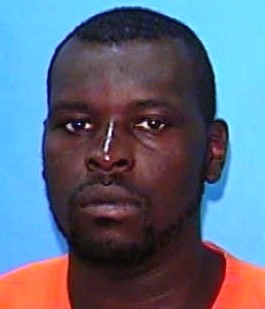
Forensic & Criminological Matrix
| Parameter | Forensic Detail |
|---|---|
| Forensic Heading / Aliases | None |
| Legal Identity | Timothy Lee Hurst |
| Confirmed Victims | 1 |
| Attributed / Indicted Victims | 1 |
| Active Timeline | 1998 |
| Jurisdiction / Area of Operations | Auburndale, Florida, USA |
| Criminological Classification | Homicide / Violent Offender |
| Forensic Modus Operandi | Armed robbery of a commercial establishment |
| Weapon / Mechanism of Death | Bladed weapon (knife) |
| Motive / Behavioral Dynamics | Robbery-homicide |
| Judicial Outcome | Life imprisonment following Supreme Court litigation |
1. Background and Profile
Timothy Lee Hurst (born 1978) is an American offender whose criminal actions resulted in a landmark legal case. His profile is consistent with violent offenders who utilize lethal force during the commission of property crimes.
2. Crime Spree
In 1998, Hurst entered a Popeye's restaurant in Auburndale, Florida. During the robbery, he encountered employee Cynthia Harrison. Hurst proceeded to murder the victim using a knife, demonstrating a high level of aggression during the commission of the robbery.
3. Investigation and Arrest
Local law enforcement in Florida conducted a thorough investigation, successfully linking Hurst to the crime scene through forensic evidence and witness statements. His arrest followed shortly after the incident.
4. Legal Proceedings and Outcome
Hurst's case became a significant legal precedent. On May 12, 2000, he filed a direct appeal with the Florida Supreme Court, citing errors in the jury's consideration of aggravating circumstances. On April 18, 2002, the Florida Supreme Court affirmed the conviction and sentence. A petition for a writ of certiorari was filed with the U.S. Supreme Court on August 20, 2002, but was denied on October 21, 2002.
5. Forensic Assessment and Conclusion
The case of Timothy Lee Hurst is primarily noted for its impact on the Sixth Amendment rights regarding capital sentencing in Florida, leading to major shifts in how juries determine sentencing factors in death penalty cases.