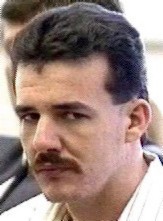
Forensic & Criminological Matrix
| Parameter | Forensic Detail |
|---|---|
| Forensic Heading / Aliases | null |
| Legal Identity | Shawn Paul Humphries |
| Confirmed Victims | 1 |
| Attributed / Indicted Victims | 1 |
| Active Timeline | 1994 |
| Jurisdiction / Area of Operations | Fountain Inn, South Carolina |
| Criminological Classification | Robbery-homicide offender |
| Forensic Modus Operandi | Armed robbery using a 9mm handgun |
| Weapon / Mechanism of Death | 9mm handgun |
| Motive / Behavioral Dynamics | Robbery-homicide |
| Judicial Outcome | Death penalty (executed) |
1. Background and Profile
Shawn Paul Humphries (1971–2005) had a documented history of criminal behavior starting in his early teens. By age 13, he was already involved in house break-ins. His criminal record grew throughout his youth, characterized by repeated probation violations and incarceration, indicating a persistent pattern of antisocial behavior.
2. Crime Spree
On January 1, 1994, Humphries committed an armed robbery at the MaxSaver store in Fountain Inn, South Carolina. During the robbery, he encountered Dickie Smith, who was attempting to protect the store. Humphries executed Smith with a 9mm handgun. The prosecution argued that the act was a cold-blooded execution rather than a panicked reaction.
3. Investigation and Arrest
Law enforcement quickly identified Humphries as the perpetrator. The forensic evidence, including the weapon used, was central to the case. Despite the defense's claims of lack of intent and Humphries's alleged non-violent history, the jury found the evidence of premeditation and the aggravating circumstances of the crime to be overwhelming.
4. Legal Proceedings and Outcome
Humphries was sentenced to death. His case underwent extensive appellate review, reaching the U.S. Supreme Court, which denied his petition for a writ of certiorari in 1997. Subsequent post-conviction relief applications were also dismissed by state and federal courts.
5. Forensic Conclusion
Shawn Paul Humphries was executed by lethal injection on December 2, 2005, at the Broad River Correctional Institution. His execution marked the end of a long legal battle that highlighted the debate over victim-impact evidence in capital sentencing.