




Forensic & Criminological Matrix
| Parameter | Forensic Detail |
|---|---|
| Forensic Heading / Aliases | Rusty Houser |
| Legal Identity | John Russell Houser |
| Confirmed Victims | 2 |
| Attributed / Indicted Victims | 2 |
| Active Timeline | July 23, 2015 |
| Jurisdiction / Area of Operations | Lafayette, Louisiana, USA |
| Criminological Classification | Mass Murderer |
| Forensic Modus Operandi | Armed attack in a confined space (theater) |
| Weapon / Mechanism of Death | Hi-Point .40-caliber handgun |
| Motive / Behavioral Dynamics | Extremist ideology, misogyny, bipolar disorder |
| Judicial Outcome | Perpetrator suicide at the scene |
1. Background and Psychopathy
John Russell Houser, known as "Rusty," was born on November 22, 1955. He had a documented history of mental health issues, including bipolar disorder. His life was marked by far-right extremist views, misogyny, and admiration for figures such as Adolf Hitler and Timothy McVeigh. His criminal record included arson, domestic violence, and stalking.
2. Crime Spree
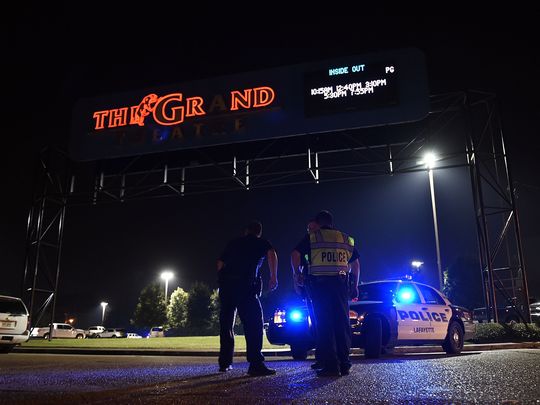
On July 23, 2015, Houser entered the Grand 16 movie theater in Lafayette, Louisiana, during a screening of the film Trainwreck. Armed with a Hi-Point .40-caliber handgun, he methodically opened fire on the audience, killing two women and injuring nine others. The attack was premeditated, as he had scouted the location and prepared disguises for an escape.
3. Investigation and Forensic Hunt
Law enforcement response was rapid. After firing on the audience, Houser attempted to flee but retreated into the theater upon seeing police, where he committed suicide by a self-inflicted gunshot wound to the mouth. A subsequent investigation uncovered a 39-page journal, wigs, and disguises, confirming his meticulous planning.
4. Legal Proceedings and Outcome
There were no legal proceedings as the perpetrator died at the scene. The case was closed following a comprehensive investigation by the FBI and Louisiana State Police, which confirmed Houser acted alone.
5. Psychiatric Evaluation and Conclusion
Forensic reports and Houser's medical history suggest a progressive decline in his mental health, exacerbated by social isolation, family estrangement, and the failure of the mental health system to provide adequate long-term care following a 2008 evaluation.