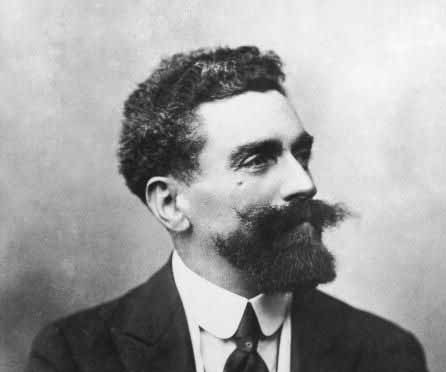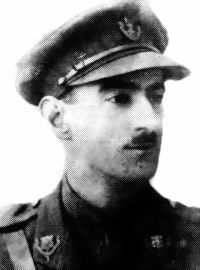
Forensic & Criminological Matrix
| Parameter | Forensic Detail |
|---|---|
| Forensic Heading / Aliases | None |
| Legal Identity | Frederick Rothwell Holt |
| Confirmed Victims | 1 |
| Attributed / Indicted Victims | 1 |
| Active Timeline | 1919 |
| Jurisdiction / Area of Operations | Blackpool, Lancashire, UK |
| Criminological Classification | Financial gain murderer |
| Forensic Modus Operandi | Firearm usage following financial manipulation |
| Weapon / Mechanism of Death | Webley service revolver |
| Motive / Behavioral Dynamics | Financial gain (life insurance) |
| Judicial Outcome | Death sentence by hanging |
1. Background and Profile
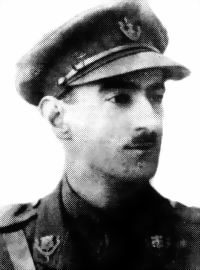
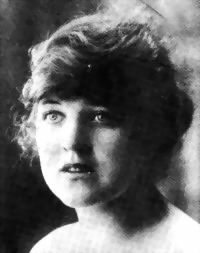
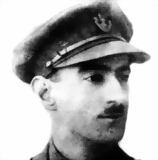
Frederick Rothwell Holt was a lieutenant in the 4th Loyal North Lancashire Regiment during World War I. After being invalided out of the army due to shell-shock and depression, he returned to Lancashire. He lived on an inherited annual income of £500 and entered a relationship with Kitty Breaks, who was separated from her husband.
2. Crime Spree
In November 1919, Holt convinced Breaks to take out a £5,000 life insurance policy, naming him as the sole beneficiary. On December 24, 1919, Breaks' body was discovered in the sand dunes at Lytham St Annes, near Blackpool, having been shot three times. Forensic evidence, including footprints matching Holt's boots and a buried Webley revolver, linked him directly to the scene.
3. Investigation and Arrest
Holt was arrested shortly after the discovery of the body. During the investigation, he displayed signs of mental instability, claiming the police were targeting him with 'mad dogs' and 'germ-carrying flies.' These claims were interpreted as a defense strategy to plead insanity.
4. Legal Proceedings and Outcome
Holt was tried at the Manchester Assizes in February 1920. His defense, led by Sir Edward Marshall Hall, argued that his war injuries had rendered him insane. The prosecution successfully argued that the murder was a calculated act for financial gain. The jury found him guilty, and his appeal—based on claims of syphilitic insanity—was rejected by Home Office psychiatrists.
5. Execution
Frederick Holt was executed by hanging at Strangeways Prison in Manchester on April 13, 1920, by the public hangman John Ellis.