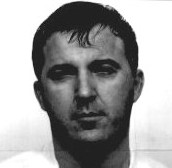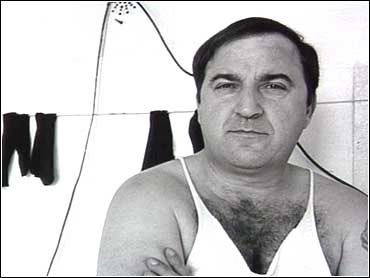




Forensic & Criminological Matrix
| Parameter | Forensic Detail |
|---|---|
| Forensic Heading / Aliases | null |
| Legal Identity | Jerry Lee Hogue |
| Confirmed Victims | 1 |
| Attributed / Indicted Victims | 1 |
| Active Timeline | 1979 |
| Jurisdiction / Area of Operations | Arlington, Texas |
| Criminological Classification | Sexual murderer and arsonist |
| Forensic Modus Operandi | Kidnapping, sexual assault, and arson |
| Weapon / Mechanism of Death | Wire, gasoline, and fire |
| Motive / Behavioral Dynamics | Antisocial personality disorder |
| Judicial Outcome | Death penalty (executed) |
1. Background and Psychopathy
Jerry Lee Hogue had a significant criminal history, including prior rape convictions and military desertion. Prosecutors characterized him as a highly dangerous sociopath. His past legal issues, particularly a 1974 Colorado rape conviction, became a focal point of his later appeals, though the conviction was eventually set aside in 1994 due to ineffective counsel.
2. Crime Spree
In January 1979, Hogue terrorized residents at a home in Arlington, Texas. He held three adults and a child hostage, impersonating a police officer. After sexually assaulting the women and binding them with wire, he poured gasoline throughout the house and ignited it. Jayne Lynn Markham was unable to escape and perished in the blaze.
3. Investigation and Arrest
Police apprehended Hogue within 24 hours of the crime. He was found hiding in a shower stall in a darkened apartment. Survivors Steve Renick and Mindy Crawford provided critical testimony that directly linked Hogue to the arson and the sexual assaults, despite Hogue's attempts to shift blame onto Renick.
4. Legal Proceedings and Outcome
Following his 1980 conviction, Hogue spent nearly 20 years on death row. His legal team filed numerous habeas corpus petitions, arguing that DNA testing and new evidence regarding the arson investigator's concerns about Renick warranted a stay. All requests were denied by the courts.
5. Forensic Psychiatric Evaluation and Execution
Psychiatric testimony during the sentencing phase highlighted Hogue's lack of remorse and high probability of future violence. Hogue was executed by lethal injection in Texas on March 11, 1998. In his final statement, he continued to claim innocence and addressed one of his surviving victims.