Forensic & Criminological Matrix
| Parameter | Forensic Detail |
|---|---|
| Forensic Heading / Aliases | The Mormon Forger |
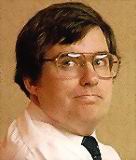
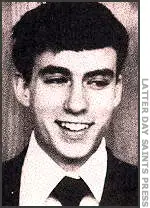
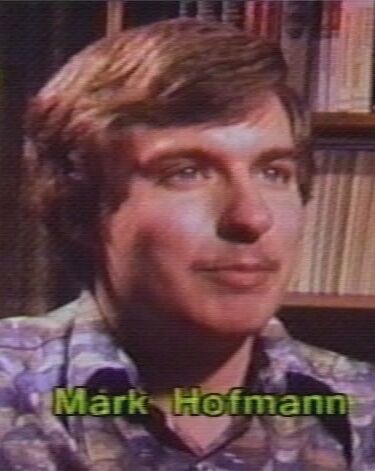
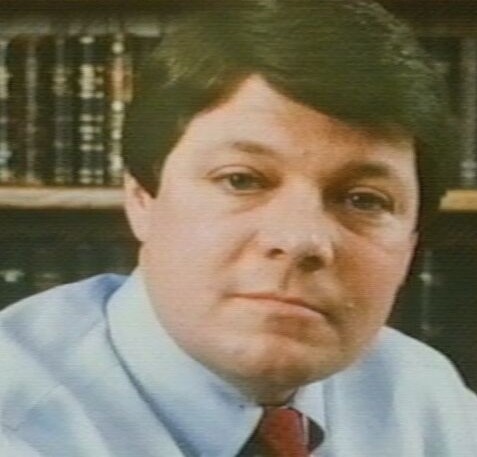
| Legal Identity | Mark William Hofmann |
| Confirmed Victims | 2 |
| Attributed / Indicted Victims | 2 |
| Active Timeline | 1980-1985 |
| Jurisdiction / Area of Operations | Salt Lake City, Utah, USA |
| Criminological Classification | Cover-up murderer / Forger |
| Forensic Modus Operandi | Motion-activated pipe bombs |
| Weapon / Mechanism of Death | Homemade explosive devices |
| Motive / Behavioral Dynamics | Financial fraud, greed, and reputation preservation |
| Judicial Outcome | Life imprisonment (1988) |
1. Background and Profile
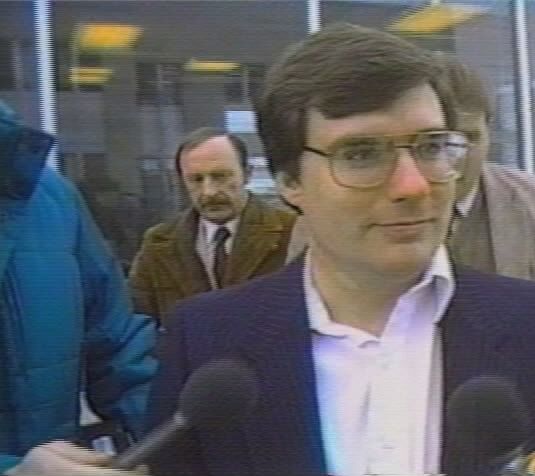
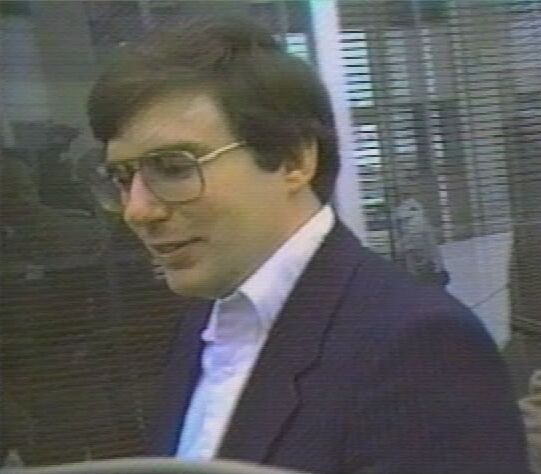
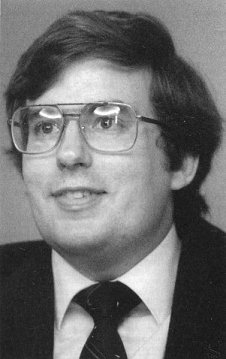
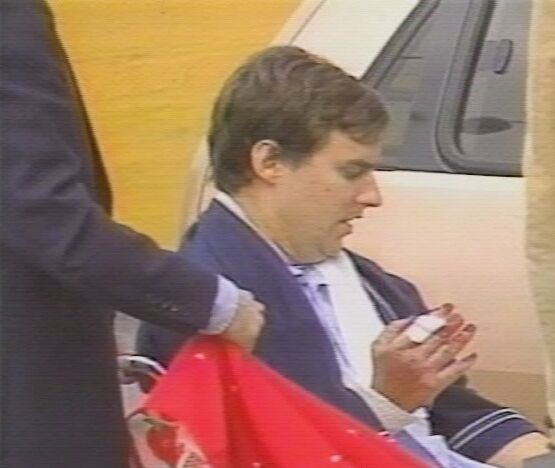
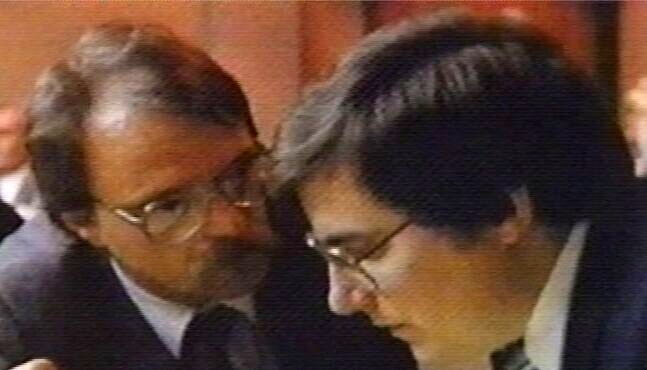
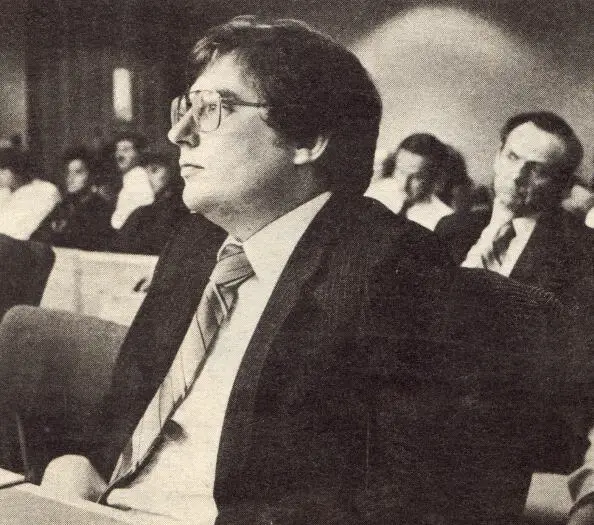
Born in 1954 in Salt Lake City, Mark Hofmann was raised in a devout LDS family. He possessed a high aptitude for chemistry and electronics, which he later weaponized for his criminal career. After returning from his mission in England, he began a prolific career as a document forger, successfully deceiving top historians and church authorities with fabricated documents related to the Latter Day Saint movement.
2. Criminal Career and Modus Operandi
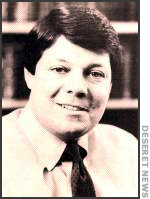
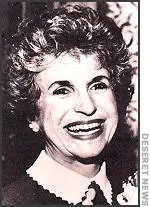
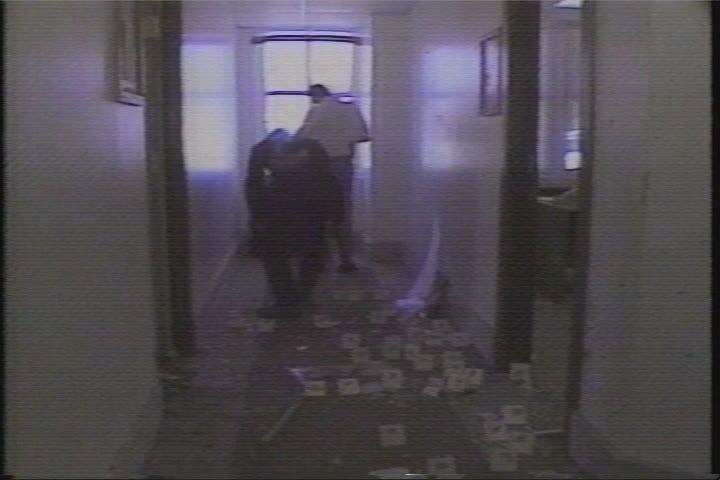
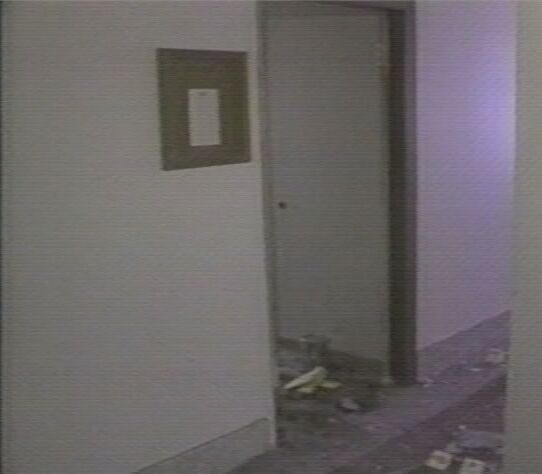
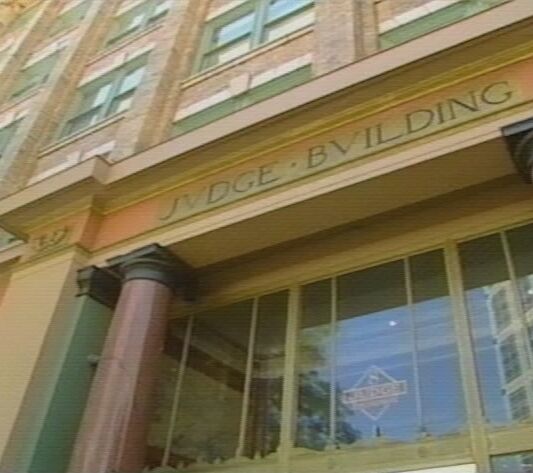
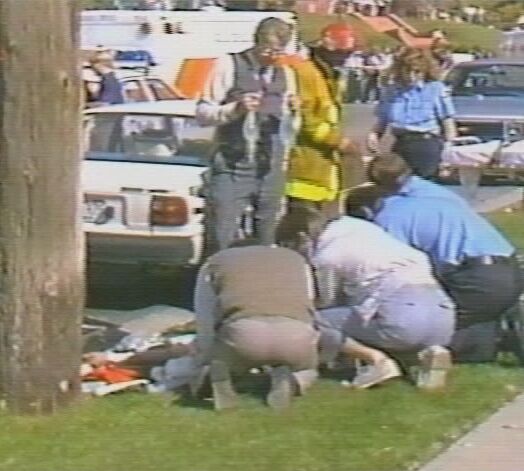
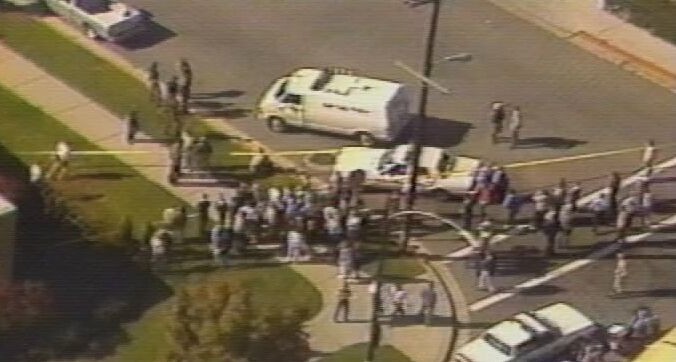
As his financial house of cards collapsed, Hofmann turned to murder to eliminate those who were demanding the delivery of the non-existent 'McLellin Collection'. On October 15, 1985, he detonated two pipe bombs, killing Steven Christensen and Kathleen Sheets. His MO involved sophisticated, motion-activated devices designed to look like packages, intended to divert suspicion toward business associates of the victims.
3. Investigation and Arrest
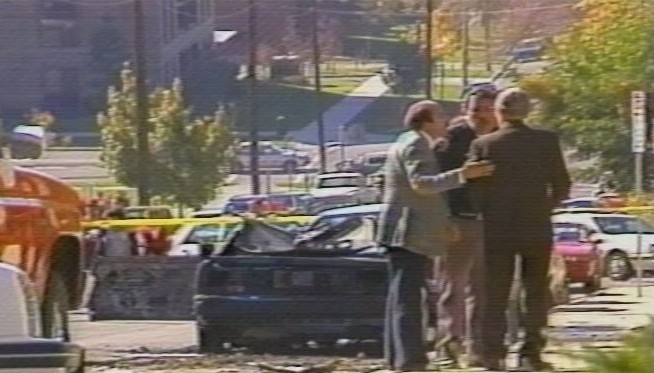
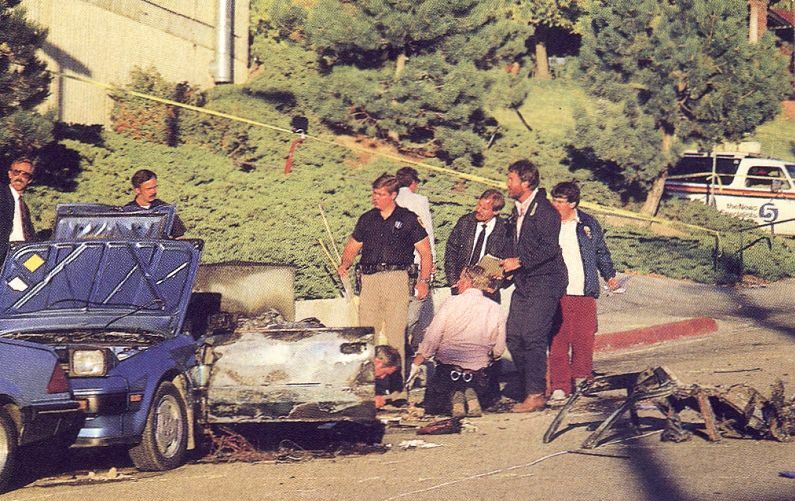
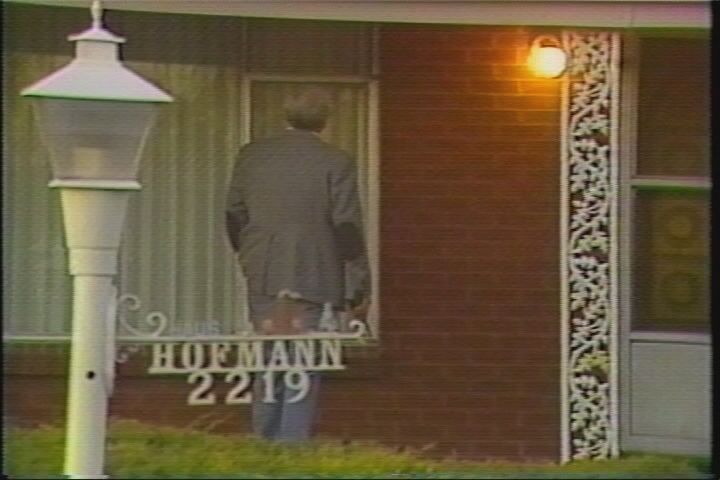
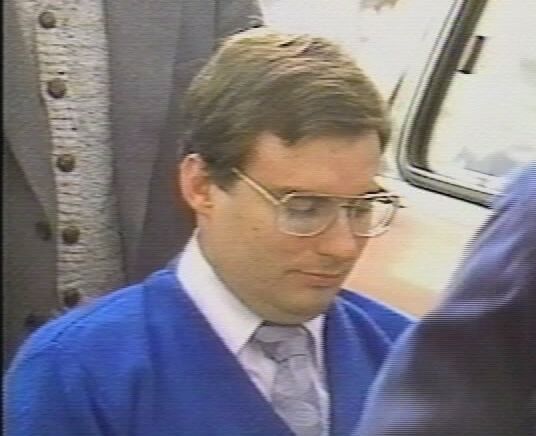
Following a third explosion in his own car on October 16, 1985, investigators focused on Hofmann. A search of his home revealed a sophisticated forgery lab, including chemical aging agents and printing equipment. Forensic analysis of the bomb components linked him directly to the crime scenes.
4. Legal Proceedings and Outcome
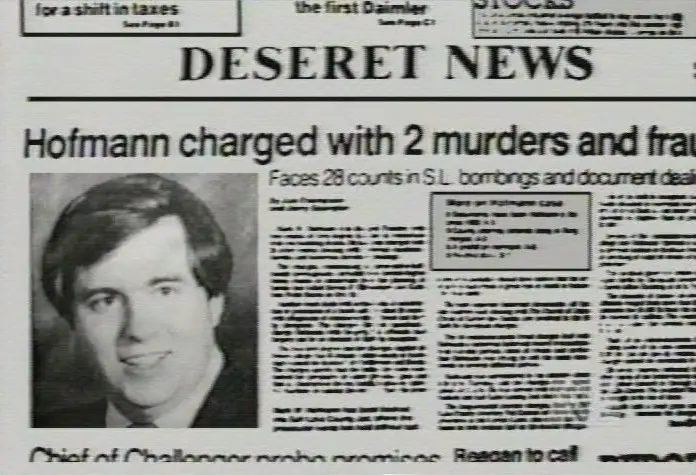
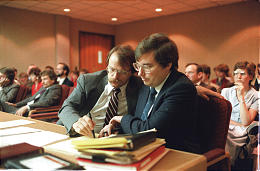
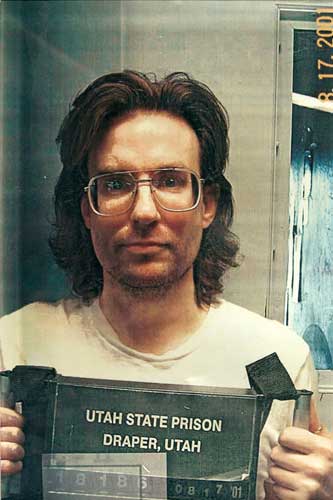
In 1987, Hofmann pleaded guilty to two counts of second-degree murder and theft by deception to avoid the death penalty. He was sentenced to life in prison in 1988. His subsequent behavior before the Board of Pardons, characterized by a lack of remorse, ensured he would remain incarcerated for the remainder of his natural life.