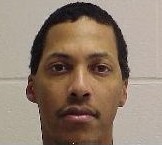





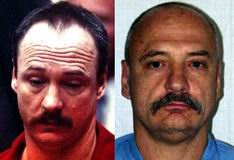
Forensic & Criminological Matrix
| Parameter | Forensic Detail |
|---|---|
| Forensic Heading / Aliases | Mad Max |
| Legal Identity | Maxwell Alton Hoffman |
| Confirmed Victims | 1 |
| Attributed / Indicted Victims | 1 |
| Active Timeline | 1987 |
| Jurisdiction / Area of Operations | Owyhee County, Idaho |
| Criminological Classification | Revenge-motivated murderer |
| Forensic Modus Operandi | Firearm execution |
| Weapon / Mechanism of Death | Firearm |
| Motive / Behavioral Dynamics | Retaliation against police informant |
| Judicial Outcome | Death sentence (1989), subject to extensive federal habeas corpus litigation |
1. Background and Profile
Maxwell Alton Hoffman (born 1957) had a history of institutionalization and social instability. Forensic evaluations revealed he was illiterate and suffered from left-hemisphere brain damage, resulting in borderline intellectual functioning. His background included chronic substance abuse and prior convictions for burglary and robbery.
2. Crime Spree
On September 19, 1987, Hoffman murdered Denise Williams in Owyhee County, Idaho. Williams was a police informant providing information on narcotics trafficking. The murder was a targeted act of retaliation for her cooperation with law enforcement.
3. Investigation and Arrest
Local law enforcement in Idaho apprehended Hoffman shortly after the crime. The subsequent trial focused on the evidence linking him to the execution-style killing. A critical point of contention during the legal process was the failure of his defense counsel to utilize psychological reports documenting his cognitive impairments during the sentencing phase.
4. Legal Proceedings and Outcome
On March 16, 1989, a Canyon County jury convicted Hoffman of first-degree murder. He was sentenced to death on June 13, 1989. The case reached the Ninth Circuit Court of Appeals, which scrutinized the procedural default rules of Idaho Code 19-2719 and the Sixth Amendment right to effective assistance of counsel.
5. Psychiatric Evaluation and Conclusion
Psychological assessments, notably by Dr. David Sanford, highlighted Hoffman's significant cognitive deficits. The case remains a significant precedent in federal habeas corpus law, specifically regarding the constitutional requirements for capital defense counsel and the procedural barriers to post-conviction relief.