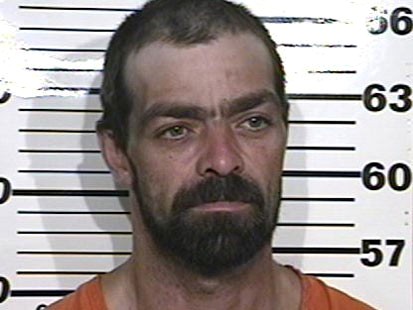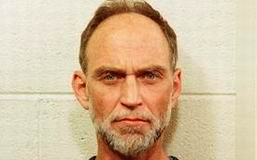
Forensic & Criminological Matrix
| Parameter | Forensic Detail |
|---|---|
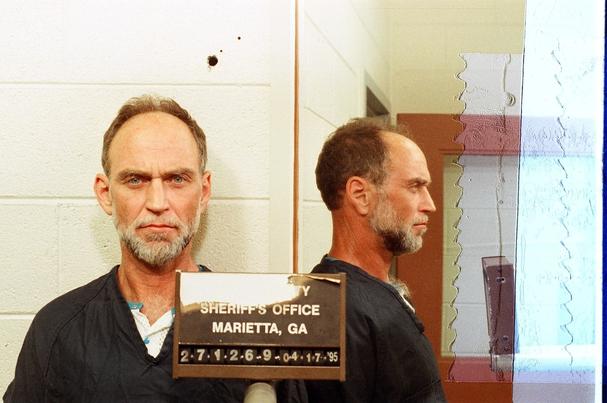
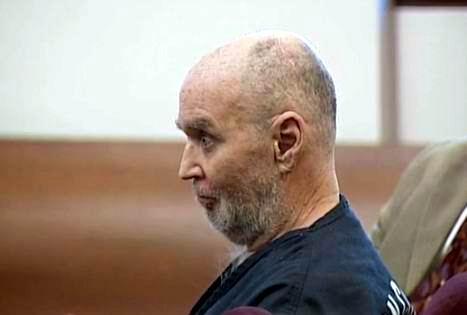
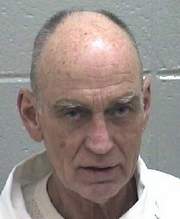
| Forensic Heading / Aliases | The National Forest Serial Killer |
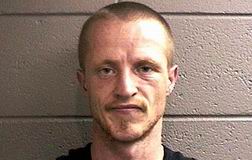
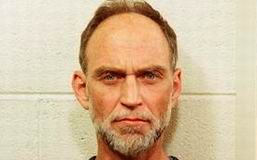
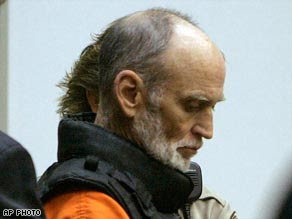
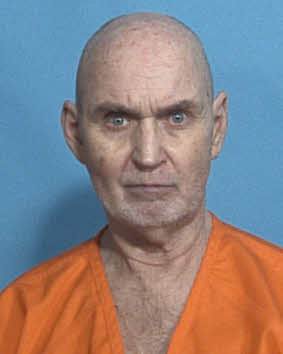
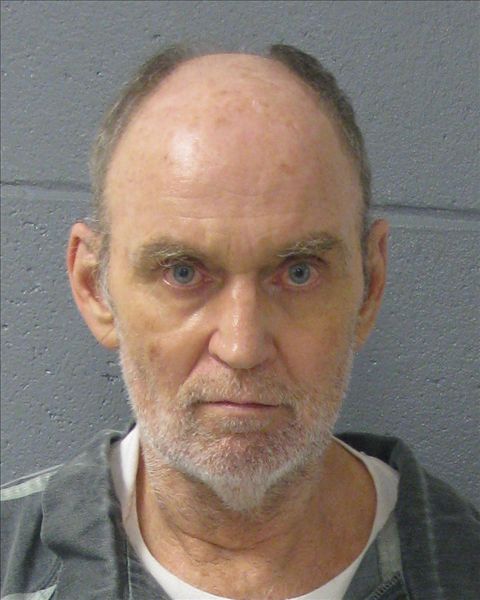
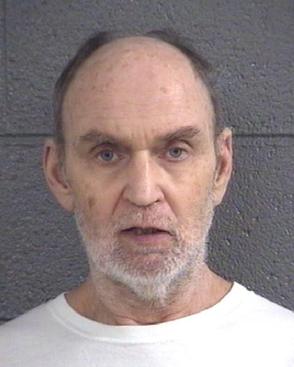
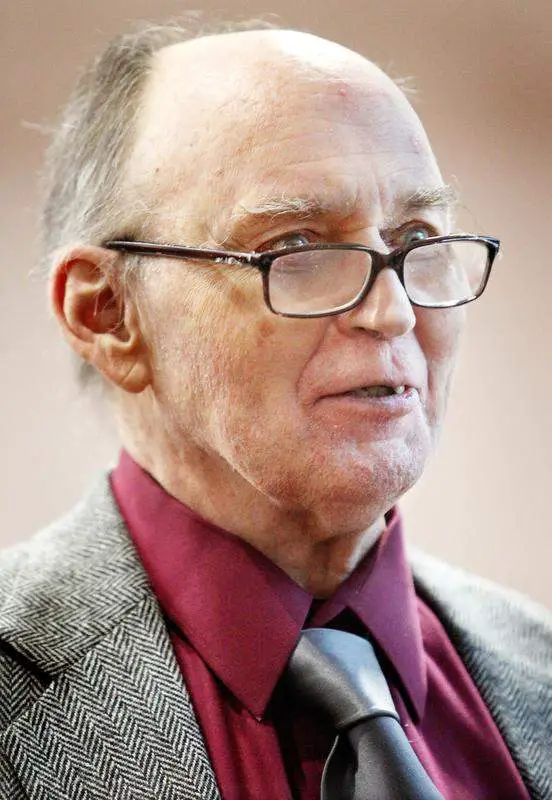
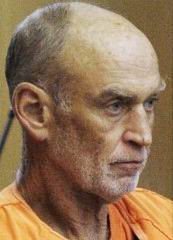
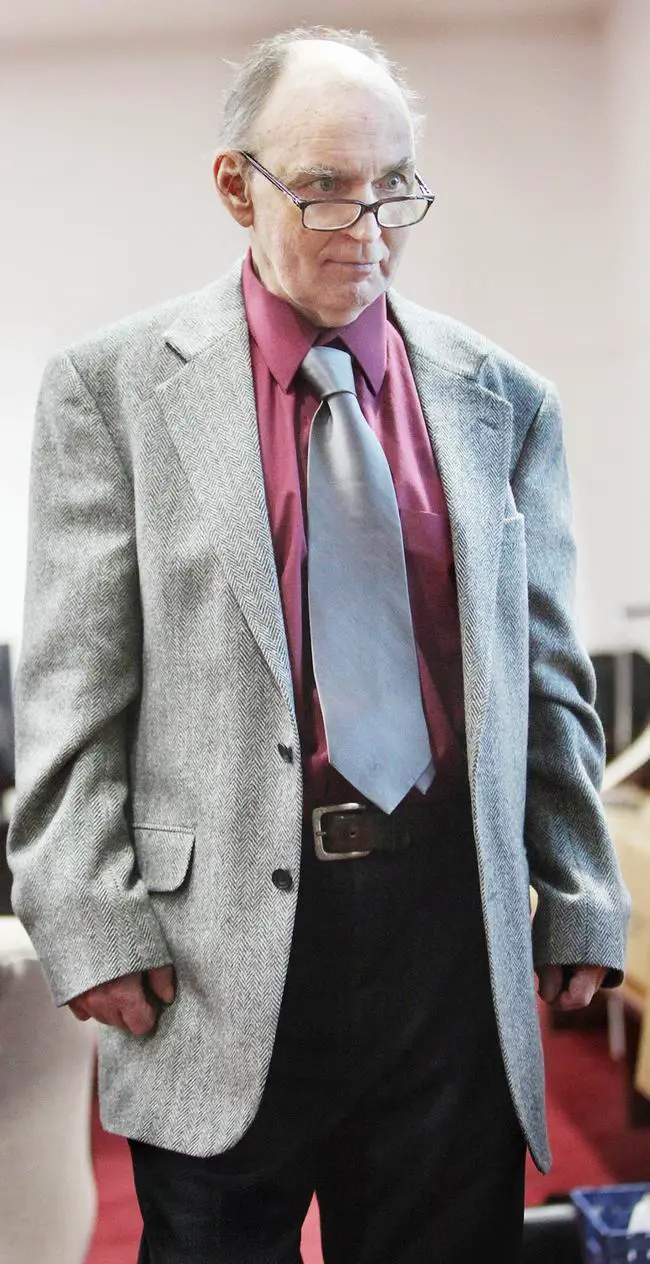
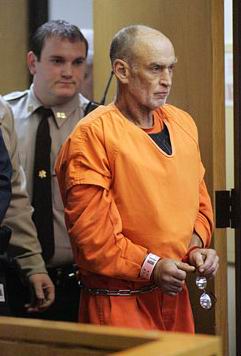
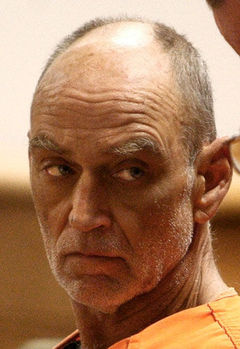
| Legal Identity | Gary Michael Hilton |
| Confirmed Victims | 4 |
| Attributed / Indicted Victims | 7 |
| Active Timeline | 2005 - 2008 |
| Jurisdiction / Area of Operations | Georgia, Florida, North Carolina, USA |
| Criminological Classification | Itinerant Serial Killer |
| Forensic Modus Operandi | Trail stalking, kidnapping, financial coercion, decapitation |
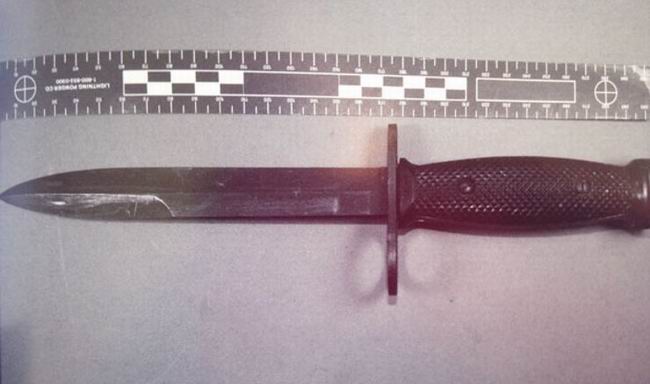
| Weapon / Mechanism of Death | Blunt force trauma, military knife |
| Motive / Behavioral Dynamics | Psychopathy, robbery, personality disorder |
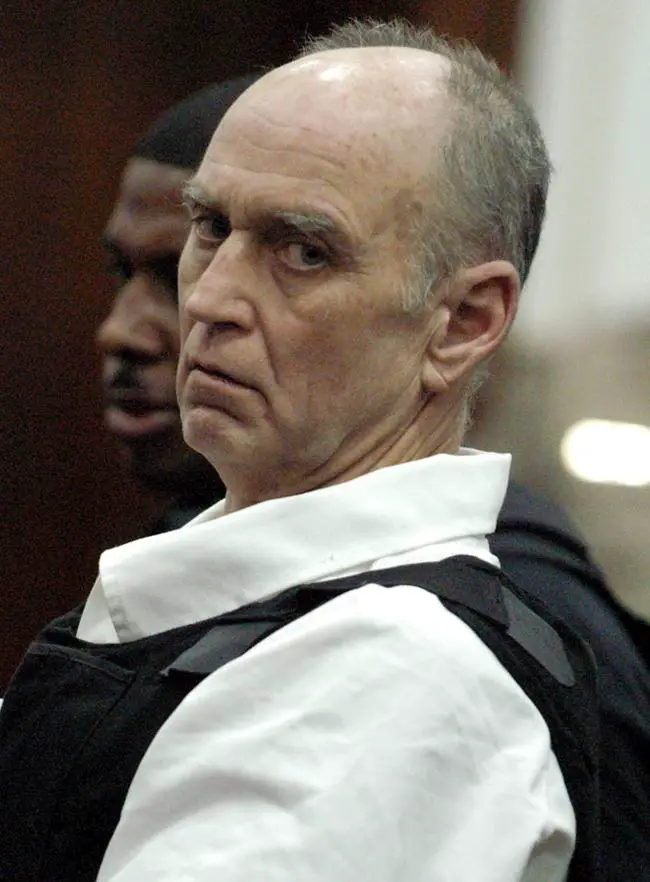
| Judicial Outcome | Life imprisonment (GA, NC), Death penalty (FL) |
1. Background and Psychopathy
Born in 1946, Gary Michael Hilton's life was characterized by transient behavior and criminal activity. His early life included a violent incident at age 13 involving his stepfather. During his military service in the 1960s, he experienced a psychiatric breakdown. Throughout his adult life, he struggled with employment and relationships, eventually turning to petty crime and, ultimately, serial murder.
2. Crime Spree
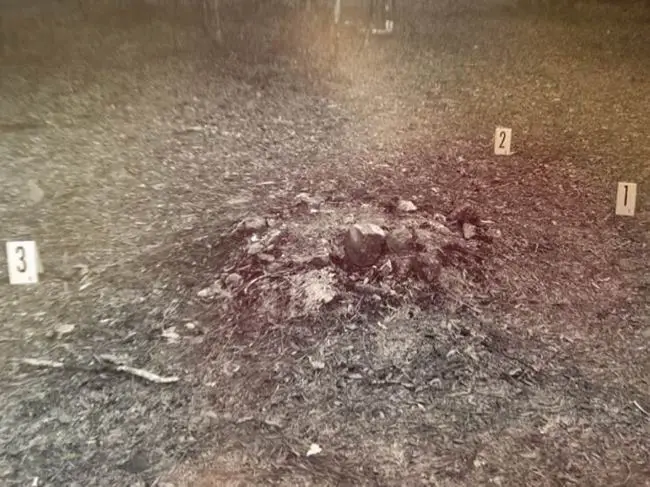
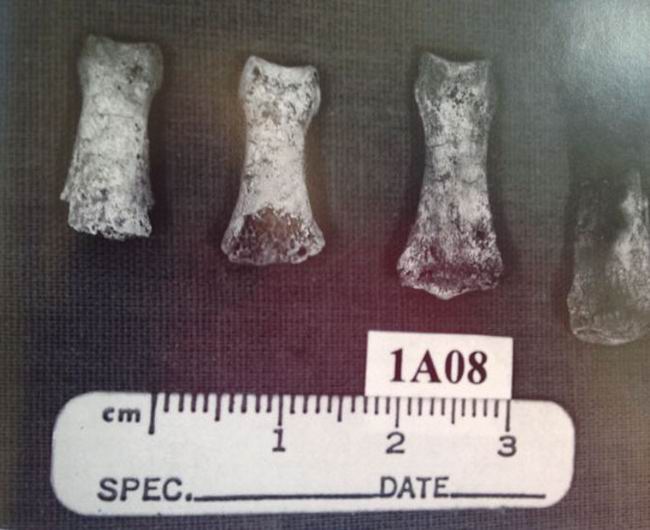
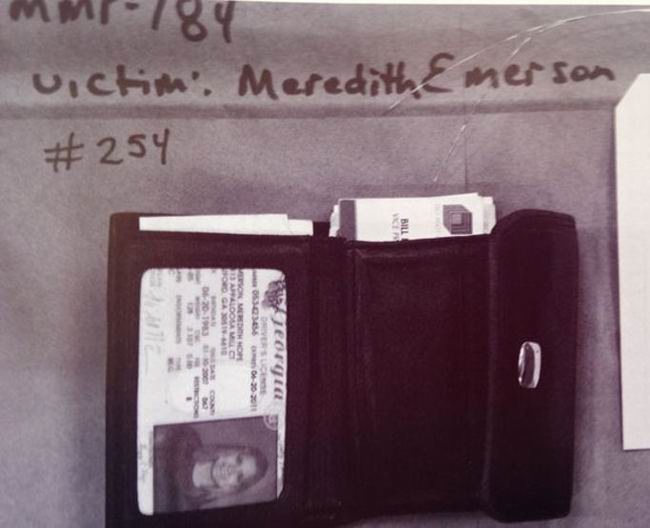
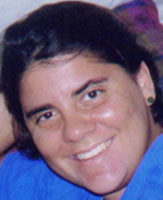
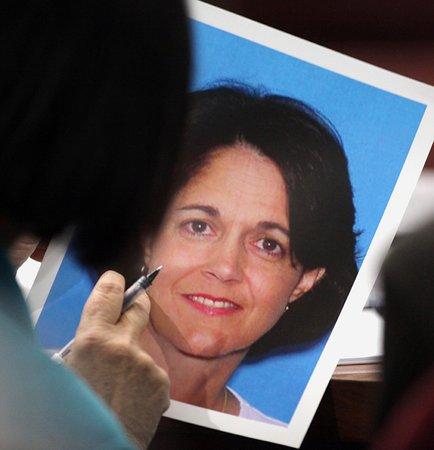
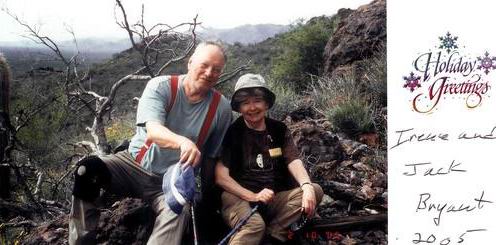
Hilton targeted victims in remote national forest areas. His crimes involved kidnapping victims to access their financial assets. Once the financial exploitation was complete, he murdered his victims, often employing extreme mutilation, including decapitation, to hinder forensic identification. His known victims include Rossana Miliani, Cheryl Dunlap, John and Irene Bryant, and Meredith Emerson.
3. Investigation and Arrest
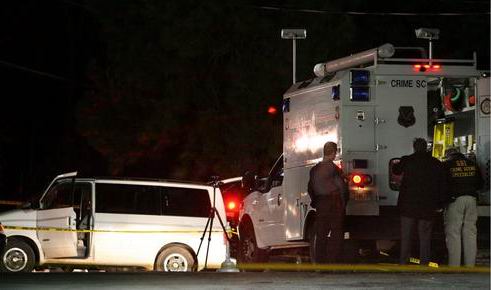
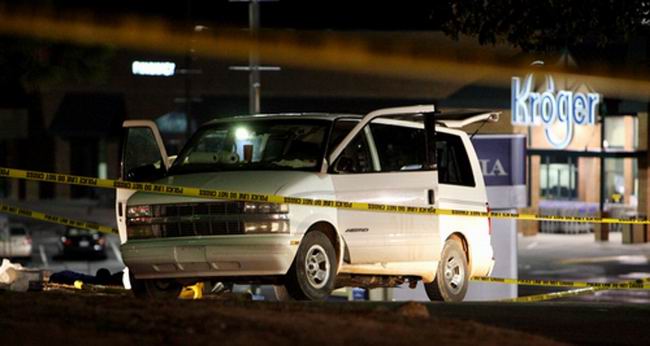
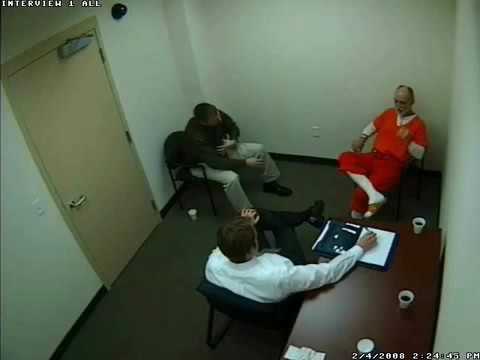
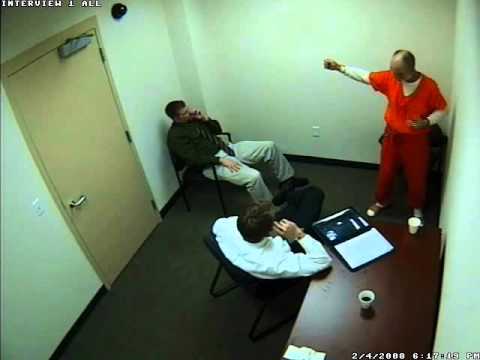
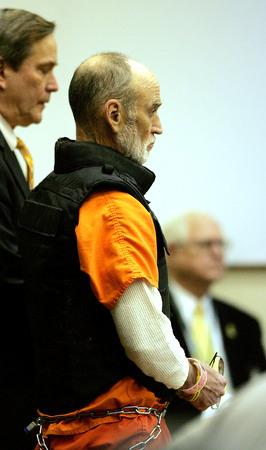
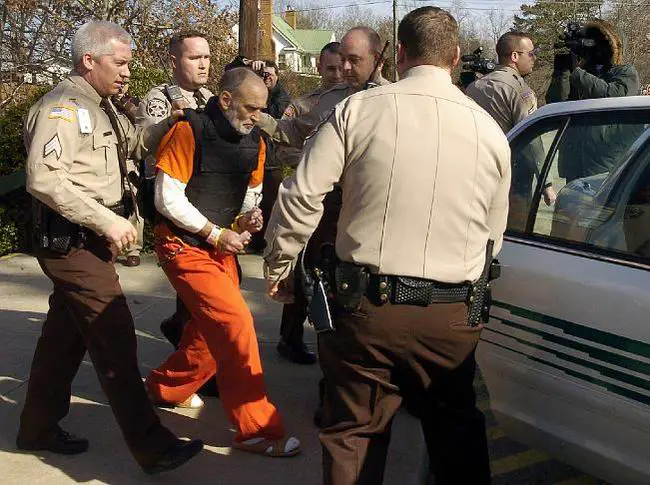
The investigation culminated in January 2008 following the disappearance of Meredith Emerson. A witness report led police to Hilton while he was cleaning his van. Forensic evidence inside the vehicle linked him to the crime. Hilton eventually confessed to the murder of Emerson in exchange for a life sentence in Georgia, leading authorities to her remains.
4. Legal Proceedings and Outcome
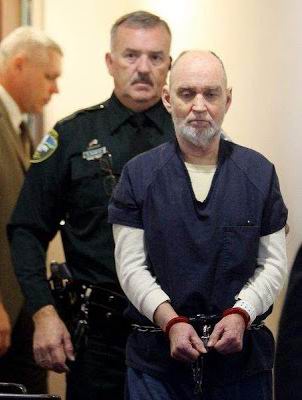
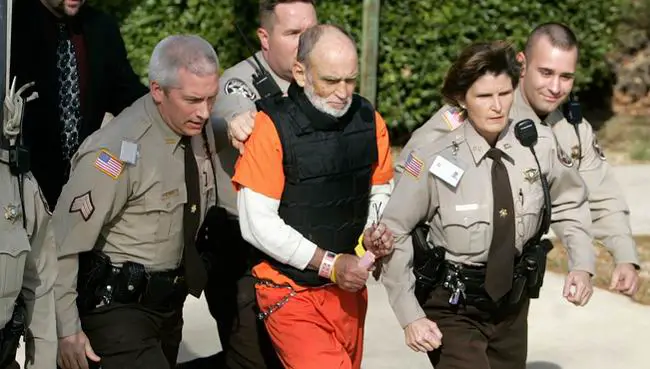
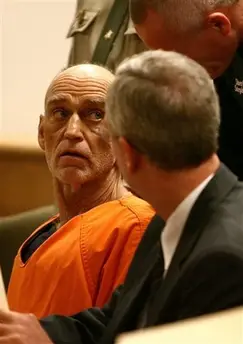
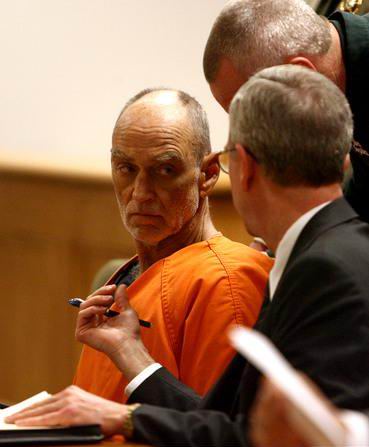
Hilton's legal path involved multiple jurisdictions. He received life sentences in Georgia and North Carolina. In Florida, he was sentenced to death for the murder of Cheryl Dunlap. His case remains a significant study in the challenges of tracking transient offenders across state lines.