





Forensic & Criminological Matrix
| Parameter | Forensic Detail |
|---|---|
| Forensic Heading / Aliases | N/A |
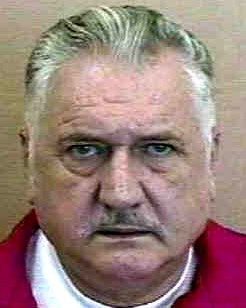
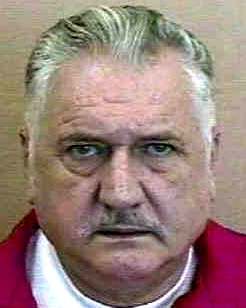
| Legal Identity | Zane Brown Hill |
| Confirmed Victims | 1 |
| Attributed / Indicted Victims | 1 |
| Active Timeline | 1990 |
| Jurisdiction / Area of Operations | Buncombe County, North Carolina |
| Criminological Classification | Domestic Homicide |
| Forensic Modus Operandi | Armed intrusion and execution by firearm |
| Weapon / Mechanism of Death | Firearm (handgun) |
| Motive / Behavioral Dynamics | Domestic violence and family control |
| Judicial Outcome | Death penalty executed by lethal injection |
1. Background and Profile
Zane Brown Hill had a long-standing history of terrorizing his wife and children with firearms. His behavioral profile was marked by chronic domestic abuse, exacerbated by the consumption of alcohol and pain medication, creating a volatile environment that ultimately led to the fatal confrontation on New Year's Day, 1990.
2. Crime Spree
On January 1, 1990, Hill violated a restraining order and entered his wife's home. His 29-year-old son, Randy Hill, attempted to protect his mother by holding his father at gunpoint while calling the police. Hill, under the influence of alcohol and painkillers, shot his son twice in the back. He also struck his wife in the head with his weapon when she attempted to aid her son.
3. Investigation and Arrest
The investigation was swift, as the victim had initiated a call to law enforcement during the confrontation. Evidence collected at the scene, including the violation of the restraining order and the trajectory of the shots, dismantled Hill's claim of self-defense. The prosecution presented a clear case of domestic violence turned lethal.
4. Legal Proceedings and Outcome
Following his arrest, Hill was convicted by a jury that deliberated for only 30 minutes. Despite appeals to Governor Jim Hunt for clemency—arguing that Hill had been offered a plea deal for second-degree murder—the petition was denied due to Hill's history of terrorizing his family. The U.S. Supreme Court also rejected a final appeal regarding prosecutorial disclosure.
5. Psychiatric Assessment and Final Disposition
Zane Brown Hill was executed by lethal injection at Central Prison in North Carolina on January 1, 1998. He died at 2:24 a.m. without making a final statement. His execution was witnessed by 13 people, and his defense attorney, Harold Bender, expressed strong opposition to the state's use of capital punishment in this case.