



Forensic & Criminological Matrix
| Parameter | Forensic Detail |
|---|---|
| Forensic Heading / Aliases | N/A |
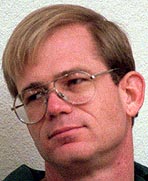
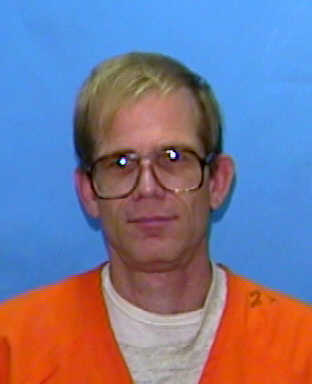
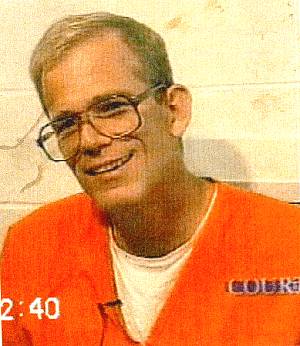
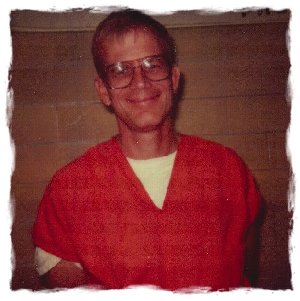
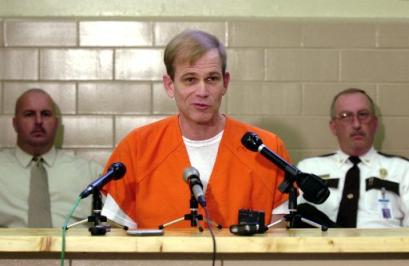
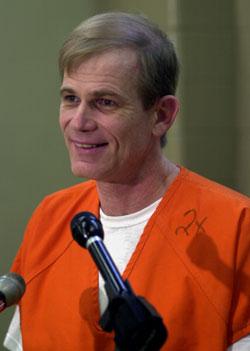
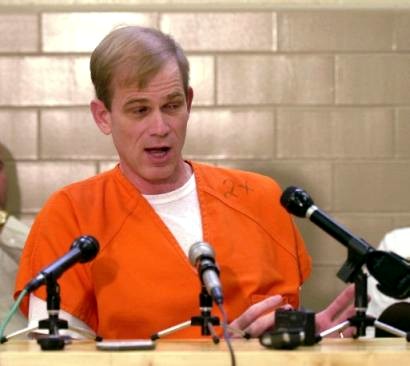
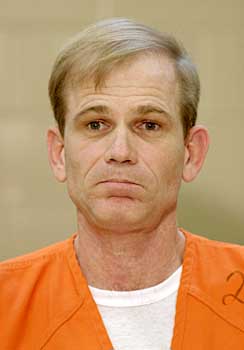
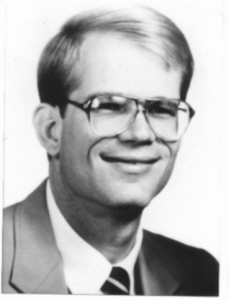
| Legal Identity | Paul Jennings Hill |
| Confirmed Victims | 2 |
| Attributed / Indicted Victims | 2 |
| Active Timeline | July 29, 1994 |
| Jurisdiction / Area of Operations | Pensacola, Florida, USA |
| Criminological Classification | Ideological Murderer / Domestic Terrorist |
| Forensic Modus Operandi | Close-range shotgun execution |
| Weapon / Mechanism of Death | Shotgun |
| Motive / Behavioral Dynamics | Religious fanaticism and radical anti-abortion activism |
| Judicial Outcome | Death penalty by lethal injection |
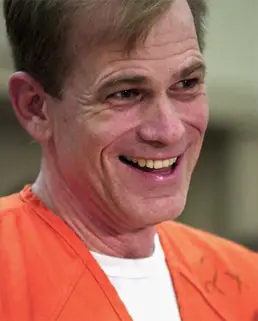
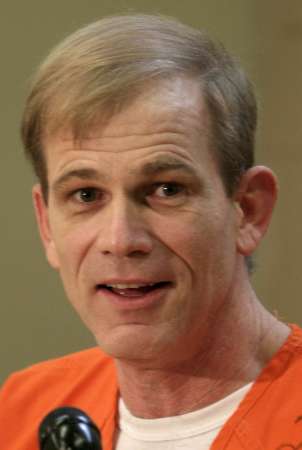
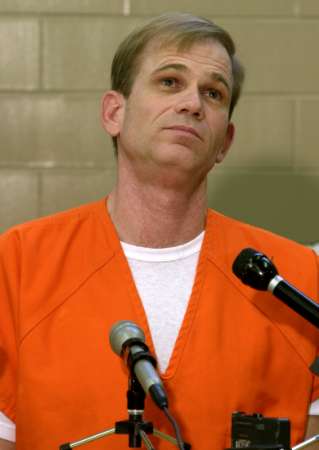
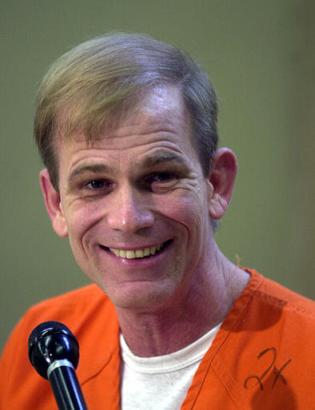
1. Background and Profile
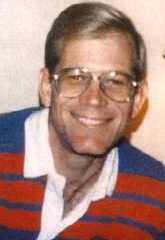
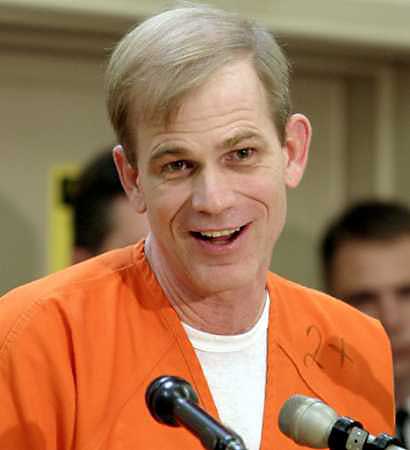
Paul Jennings Hill was born on February 6, 1954, in Miami, Florida. Raised in Coral Gables, he was the son of an airline pilot. At 17, he faced assault charges initiated by his father due to drug-related issues. Following a religious conversion in 1973, he pursued theological studies, eventually becoming an ordained minister in 1984, affiliated with the Presbyterian Church in America and the Orthodox Presbyterian Church.
2. Criminal Career and Modus Operandi
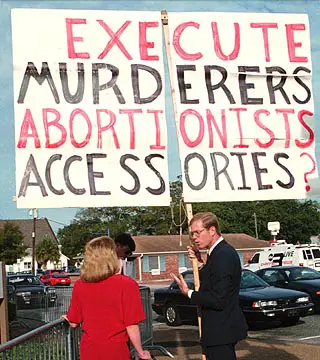
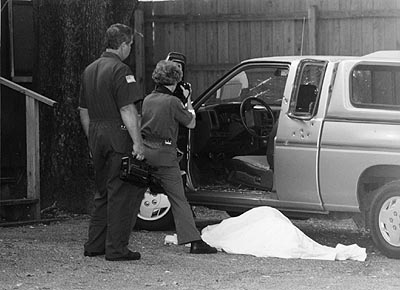
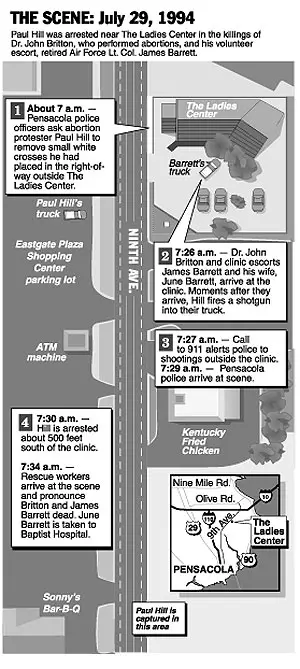
In 1993, Hill was excommunicated after declaring himself a national spokesperson for those who kill abortionists. He became associated with the Army of God. On July 29, 1994, Hill targeted an abortion clinic in Pensacola, Florida. He ambushed physician John Britton and his escort, retired Air Force Lieutenant Colonel James Barrett, killing both with a shotgun at close range. He also seriously wounded Barrett's wife during the assault.
3. Investigation and Arrest
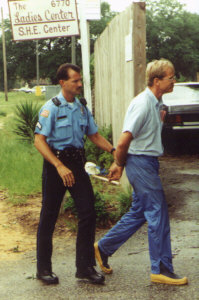
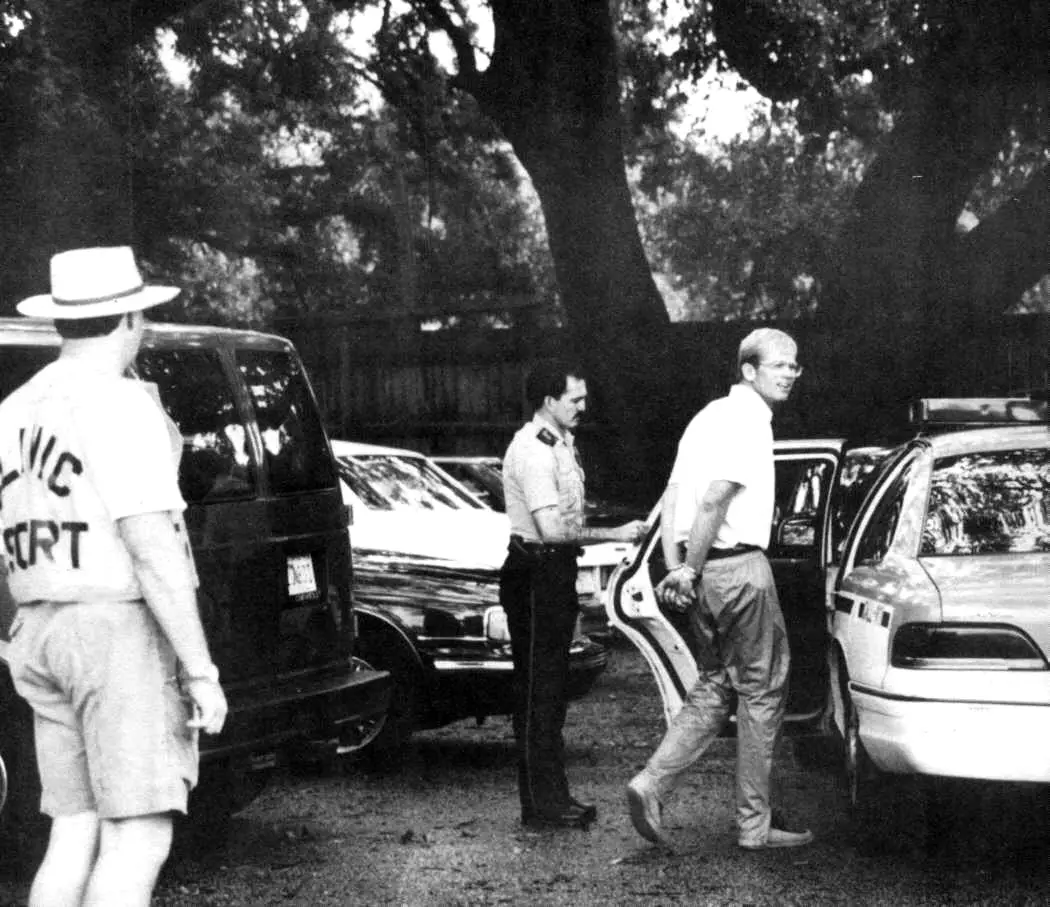
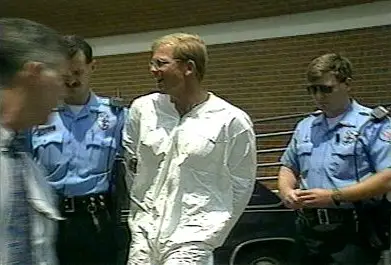
Hill was arrested on the day of the murders. Forensic evidence, including the recovery of the shotgun and witness testimonies, confirmed his premeditated intent to target the victims based on his extremist anti-abortion agenda.
4. Legal Proceedings and Outcome
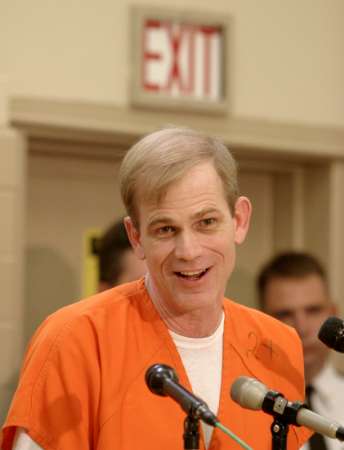
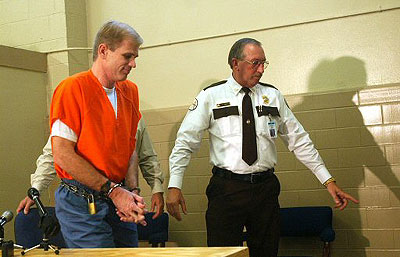
On December 6, 1994, Hill was sentenced to death. The court rejected his attempt to use a "justification" defense, ruling that his actions were criminal acts of murder rather than defensive measures. Throughout his trial and incarceration, Hill remained unrepentant, viewing his actions as a moral imperative.
5. Psychiatric Assessment and Execution
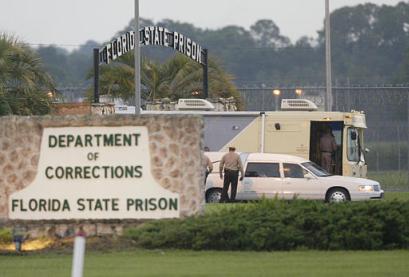
Hill authored a manifesto comparing his actions to those of John Brown, advocating for violent insurrection. He was executed by lethal injection at the Florida State Prison on September 3, 2003, maintaining his stance until his final moments.