Forensic & Criminological Matrix
| Parameter | Forensic Detail |
|---|---|
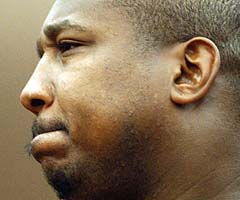
| Forensic Heading / Aliases | Michael Hilderbrand Sr. |
| Legal Identity | Michael Hilderbrand Sr. |
| Confirmed Victims | 3 |
| Attributed / Indicted Victims | 3 |
| Active Timeline | March 2001 |
| Jurisdiction / Area of Operations | Greer, South Carolina; Herndon, Virginia |
| Criminological Classification | Family annihilator |
| Forensic Modus Operandi | Firearm homicide and arson attempt |
| Weapon / Mechanism of Death | 9mm handgun and gas explosion sabotage |
| Motive / Behavioral Dynamics | Bipolar disorder, domestic violence, and coercive control |
| Judicial Outcome | Case closed due to perpetrator's suicide |
1. Background and Profile
Michael Hilderbrand Sr. was an antique dealer who lived in Fayette County, Georgia, from 1997 to 1999. Described by his wife Sandra as highly unstable, he suffered from bipolar disorder, which was reportedly untreated. His behavior was marked by extreme coercive control, including intercepting mail and isolating his family.
2. Crime Spree
On March 5, 2001, after Sandra obtained a protective order, Hilderbrand began a violent spree. He first drowned the family dog in the pool, then entered the Dillard Road home and shot his wife Sandra, his stepdaughter Caitlin (8), and his son Michael Jr. (5). The following day, he attempted to destroy his antique shop in Greer by leaving gas on and lighting candles, intending to cause a massive explosion.
3. Investigation and Arrest
Sandra's attorney, Henry J. Mims, raised the alarm when she failed to attend a scheduled meeting. After the bodies were discovered and the sabotage at the shop was identified, authorities tracked Hilderbrand to Virginia, where he was believed to be targeting his ex-wife.
4. Legal Proceedings and Outcome
On March 9, 2001, Virginia police located Hilderbrand. Following a high-speed chase near Dulles International Airport, his vehicle crashed into a wall. Before officers could apprehend him, Hilderbrand committed suicide with the same 9mm handgun used in the murders.
5. Psychiatric Assessment and Conclusion
The case was closed without trial due to the perpetrator's death. Forensic reports and witness statements confirmed a pattern of violent escalation driven by his untreated bipolar disorder and the loss of control over his family.