Forensic & Criminological Matrix
| Parameter | Forensic Detail |
|---|---|
| Forensic Heading / Aliases | None |
| Legal Identity | Higinia Balaguer Ostalé |
| Confirmed Victims | 1 |
| Attributed / Indicted Victims | 1 |
| Active Timeline | 1888 |
| Jurisdiction / Area of Operations | Madrid, Spain |
| Criminological Classification | Murderer (Complex crime of robbery and homicide) |
| Forensic Modus Operandi | Stabbing followed by arson |
| Weapon / Mechanism of Death | Bladed weapon (knife) and petroleum |
| Motive / Behavioral Dynamics | Robbery and workplace conflict |
| Judicial Outcome | Death penalty by garrote vil |
1. Background and Profile
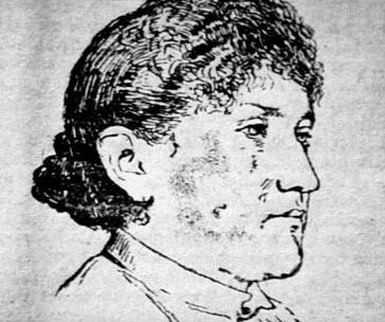
Higinia Balaguer Ostalé (born 1862) was a domestic servant employed at the residence of Luciana Borcino, widow of Vázquez-Varela, located at 109 Fuencarral Street, Madrid. Her case became a landmark in Spanish criminal history, reflecting the intense social tensions of the late 19th century.
2. Crime Spree
On July 1, 1888, Balaguer murdered her employer by stabbing her three times. To conceal the crime, she attempted to incinerate the body using petroleum in a locked room, having previously drugged the victim's dog.
3. Investigation and Arrest
Police discovered the crime on July 2, 1888, after neighbors reported the smell of burning. Balaguer was found in an adjacent room, claiming to be drugged. She initially accused the victim's son, José Vázquez-Varela, but her inconsistent statements and lack of evidence led to her own arrest.
4. Legal Proceedings and Outcome
The trial, which began on March 26, 1889, was a media sensation. Despite the defense by former President Nicolás Salmerón, the evidence against Balaguer was overwhelming. She was found guilty of robbery and homicide.
5. Forensic Conclusion
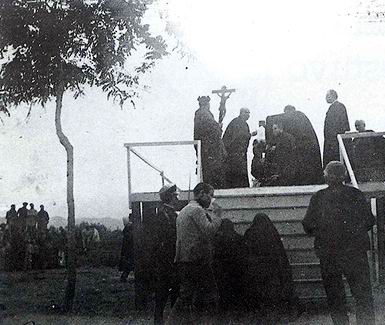
Balaguer was executed by garrote vil on June 19, 1890. Her final words remain a subject of historical speculation regarding potential accomplices or hidden motives.