Forensic & Criminological Matrix
| Parameter | Forensic Detail |
|---|---|
| Forensic Heading / Aliases | Wild Bill |
| Legal Identity | William Adams Hickman |
| Confirmed Victims | 0 (due to lack of conviction) |
| Attributed / Indicted Victims | 10+ |
| Active Timeline | 1840-1871 |
| Jurisdiction / Area of Operations | Utah Territory, USA |
| Criminological Classification | Contract Killer / Ideological Fanatic |
| Forensic Modus Operandi | Summary executions, ambushes, and sabotage |
| Weapon / Mechanism of Death | Firearms and guerrilla tactics |
| Motive / Behavioral Dynamics | Sectarian loyalty and political power |
| Judicial Outcome | Never convicted; served as a material witness |
1. Background and Profile
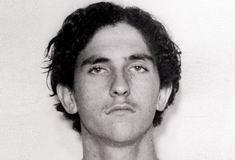
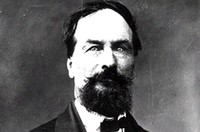
William Adams Hickman (1815–1883) was a significant figure in the American frontier. Baptized into the LDS Church in 1839, he served as a bodyguard to Joseph Smith and Brigham Young. He was widely reputed to be a member of the Danites, a secret paramilitary group.
2. Crime Spree
Hickman's criminal career involved numerous murders, which he claimed were performed under the orders of Brigham Young. During the Utah War, he engaged in acts of sabotage, including the burning of Fort Bridger and the destruction of federal supply trains.
3. Investigation and Arrest
In 1871, while detained for the murder of Richard Yates, Hickman authored a confession. Federal authorities, attempting to prosecute Brigham Young, granted Hickman protection at Fort Douglas, treating him as a key witness rather than a defendant.
4. Legal Proceedings and Outcome
Due to the failure of the case against Brigham Young, Hickman was never brought to trial for his confessed crimes. He lived his final years in relative isolation and died in Wyoming in 1883.
5. Psychiatric Assessment and Conclusion
Though no formal psychiatric evaluation exists from the era, his behavior suggests a high degree of ideological fanaticism and a willingness to utilize extreme violence to maintain group cohesion.