


Forensic & Criminological Matrix
| Parameter | Forensic Detail |
|---|---|
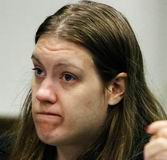
| Forensic Heading / Aliases | Susan Hey, Susan Lynne Hey |
| Legal Identity | Susan Lynne Hey |
| Confirmed Victims | 2 (Walter Lee Kelley and Harry Waddell) |
| Active Timeline | 1996 |
| Jurisdiction / Area of Operations | Austin, Texas, United States |
| Criminological Classification | Healthcare Serial Killer / Angel of Death |
| Forensic Modus Operandi | Administering lethal potassium overdoses via enteral feeding tubes to vulnerable elderly patients to induce fatal cardiac arrhythmias |
| Weapon / Mechanism of Death | Potassium chloride (approx. 60 cc via feeding tube) |
| Motive / Behavioral Dynamics | Autoproclaimed mercy killing / distorted compassion |
| Judicial Outcome | Pleaded guilty in May 1998 to two concurrent 50-year prison sentences with a 25-year minimum parole eligibility |
1. Background and Profile
Susan Lynne Hey worked as a licensed vocational nurse within geriatric care facilities in the state of Texas. During the mid-1990s, she was employed at the Cannon Oaks Rehabilitation and Nursing Center on William Cannon Drive in southern Austin. Professionally, she maintained an ordinary profile with no recorded criminal record prior to her arrest, operating within a healthcare environment that eventually provided her with unmonitored access to vulnerable patients.
2. Crime Spree
Between July and August 1996, Hey utilized her position at Cannon Oaks to target and murder two elderly male residents whose health had deteriorated: 80-year-old Walter Lee Kelley, who died on July 13, 1996, and 83-year-old Harry Waddell, who died on July 28, 1996. Her modus operandi involved injecting approximately 60 cubic centimeters of potassium directly into the victims' feeding tubes. This induced rapid and fatal cardiac arrhythmias. Because both men suffered from terminal illnesses or severe medical complications, their initial deaths were attributed to natural causes and they were buried without autopsies.
3. Investigation and Forensic Pursuit
Hey's crimes would have remained entirely undetected had she maintained silence. However, she confessed her actions to her husband, Mark Hey, who initially doubted her claims but recorded them in a personal diary. Months later, burdened by the secret, Mark confided in the couple's pastor and marriage counselor, Mark Weaver. With the husband's explicit permission, the counselor contacted the Austin Police Department, initiating a formal homicide investigation led by detectives Robert Merrill and Paul Johnson.
The forensic investigation faced significant obstacles. Travis County Medical Examiner Dr. Robert Bayardo noted that detecting a potassium overdose post-mortem is exceptionally difficult because cellular breakdown naturally releases high levels of potassium into body fluids after death. Despite the exhumation of the bodies and microscopic evaluations, direct physical evidence was limited, forcing the state to rely heavily on Hey's admissions to friends, neighbors, and her husband.
4. Legal Proceedings and Outcome
Susan Hey was arrested in January 1997 on murder charges related to the death of Harry Waddell. Throughout the legal proceedings, her defense team argued that her actions stemmed from compassion («mercy killings»). However, Texas law recognizes no legal distinction between euthanasia and premeditated murder, rendering motive inadmissible as a legal justification before a jury.
Facing the prospect of capital murder charges and a mandatory life sentence without parole, Hey agreed to a plea bargain. On May 4, 1998, she pleaded guilty to two counts of murder. She was sentenced to two concurrent 50-year prison terms, requiring her to serve at least 25 years before becoming eligible for parole.
5. Psychiatric Assessment and Aftermath
Criminologically, Susan Hey represents the profile of a healthcare offender operating under rationalized delusions of mercy or control. While her defense emphasized empathy for the suffering of the elderly, the judiciary underscored the severe betrayal of medical trust and the calculated nature of her lethal actions. The case triggered renewed advocacy and legislative discussions in Texas regarding tighter nationwide background checks and enhanced oversight within residential care facilities.