


Forensic & Criminological Matrix
| Parameter | Forensic Detail |
|---|---|
| Forensic Heading / Aliases | N/A |
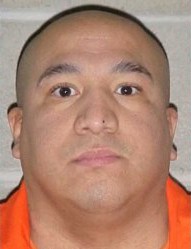
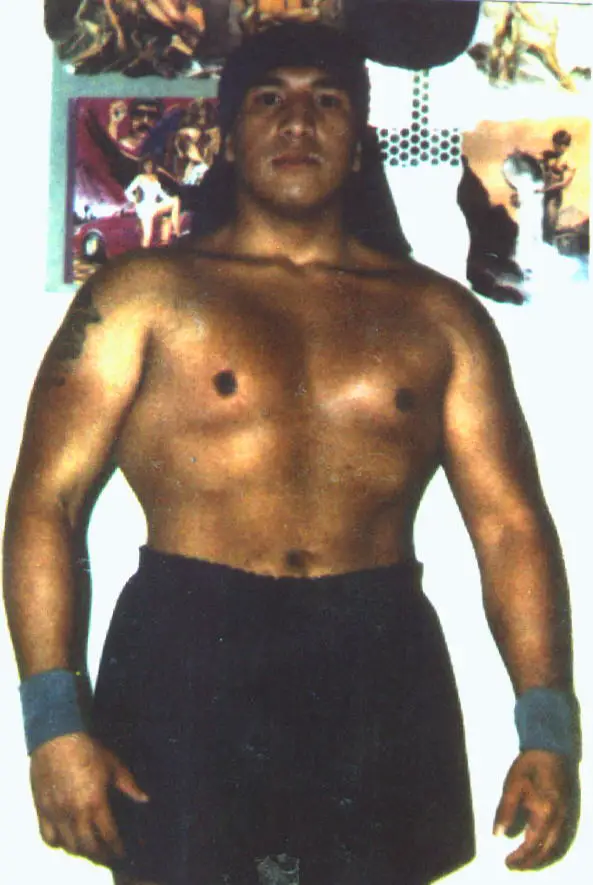
| Legal Identity | William Herrera Jr. |
| Confirmed Victims | 1 |
| Attributed / Indicted Victims | 1 |
| Active Timeline | June 30, 1988 |
| Jurisdiction / Area of Operations | Phoenix, Arizona |
| Criminological Classification | Law Enforcement Killer / Co-perpetrator |
| Forensic Modus Operandi | Physical confrontation, immobilization, and summary execution |
| Weapon / Mechanism of Death | Officer's service revolver |
| Motive / Behavioral Dynamics | Resistance to authority |
| Judicial Outcome | Conviction for first-degree murder and kidnapping |
1. Background and Profile
William Herrera Jr., born May 1, 1968, is an American offender involved in the murder of Deputy Sheriff Vernon Marconnet in Phoenix, Arizona. His criminal profile is characterized by a violent family dynamic where law enforcement was perceived as a threat to be neutralized during a routine stop.
2. Crime Spree
On the afternoon of June 30, 1988, William Herrera Jr., his father (William Herrera Sr.), and his brothers Mickel and Ruben were drinking near a canal in south Phoenix. When Deputy Vernon Marconnet approached them for identification, the group resisted. The officer was overpowered, forced to lie on the ground, and disarmed. William Herrera Jr. actively participated in the struggle and explicitly ordered his brother Mickel to shoot the officer, who was then executed with a single gunshot to the head.
3. Investigation and Arrest
The investigation relied on forensic evidence and witness testimony. Powder burns on the victim's hands confirmed he had attempted to shield himself before the execution. The involvement of the Herrera family members was corroborated by physical evidence and the recovery of the service weapon.
4. Legal Proceedings and Outcome
The legal proceedings in Maricopa County Superior Court resulted in convictions for first-degree murder, aggravated robbery, and kidnapping. The Arizona Supreme Court upheld the convictions, noting the heinous nature of the crime and Herrera Jr.'s substantial and intentional participation in the officer's death.
5. Psychiatric Assessment and Outcome
The court found no mitigating circumstances sufficient to warrant leniency. It was determined that the defendant acted with clear intent and was responsible for the mental anguish and physical pain inflicted upon the victim. The defendant remains incarcerated within the Arizona Department of Corrections.