



Forensic & Criminological Matrix
| Parameter | Forensic Detail |
|---|---|
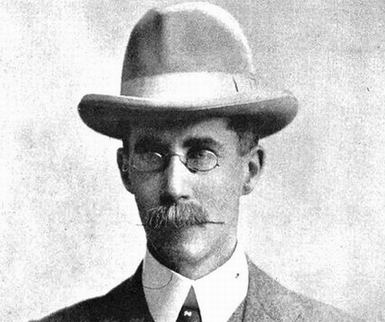
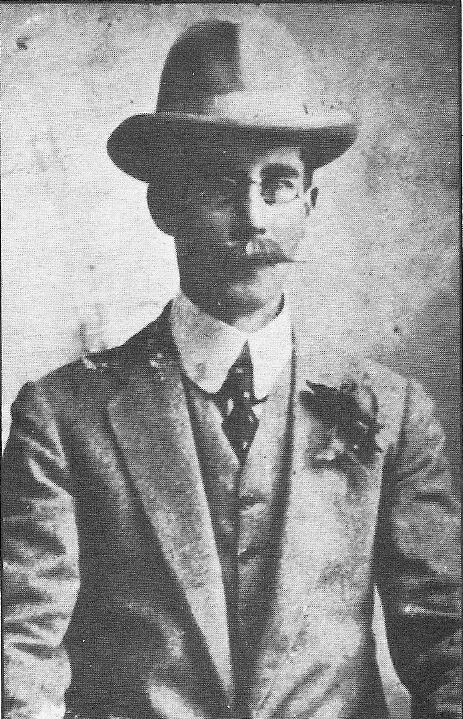
| Full Legal Name | Herbert Rowse Armstrong |
| Media Monikers | The Poisoning Solicitor, The Hay-on-Wye Murderer, Major Armstrong |
| Nationality | British |
| Date of Birth | May 13, 1869, Plymouth, Devon, England |
| Date of Death | May 31, 1922 (aged 53, executed by hanging at Gloucester Prison by hangman John Ellis) |
| Historical Penal Status | Convicted of capital murder by poisoning on April 13, 1922 at Hereford Assizes; hanged on May 31, 1922 |
| Confirmed Murder Victims | 1 fatality: his wife, Katharine Mary Armstrong (born Friend, 48) |
| Surviving Poisoning Casualties | Oswald Norman Martin (solicitor colleague, grievously poisoned with arsenic via a buttered scone during afternoon tea) |
| Date of Homicide | February 22, 1921 |
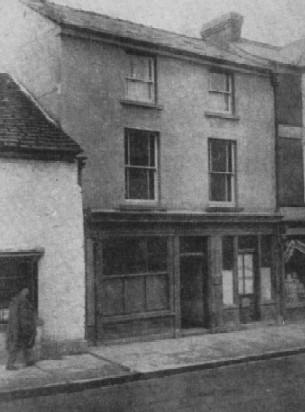
| Geographic Crime Locations | Mayfield country mansion, Cusop, Herefordshire, and law chambers in Hay-on-Wye, Wales |
| Lethal Toxicological Agent | White arsenic trioxide purchased as weed-killer and administered surreptitiously in food and beverages |
| British Jurisprudential Milestone | Sole practicing solicitor in British legal history executed by hanging; established foundational precedent regarding the admissibility of "similar fact evidence" in criminal prosecutions |
| Diagnostic Motive | Asset expropriation of his wife's estate and evasion of financial exposure resulting from the fraudulent misappropriation of client escrow funds |
1. Professional Status and Strained Domestic Life
Herbert Rowse Armstrong graduated in jurisprudence from St. Catharine's College, Cambridge, in 1895. Admitted to the roll of solicitors, he established a thriving partnership at Cheesment & Armstrong in Hay-on-Wye on the Welsh border. A respected clerk to local magistrates, prominent Freemason, and Territorial Army officer, he achieved the rank of Major in the Royal Field Artillery during the First World War.
In 1907, he married Katharine Mary Friend. Domestically, Katharine was an overbearing, hypochondriacal figure who exercised unyielding control over Armstrong, enforcing teetotalism and banishing him to the attic if he dared smoke inside their home.
2. The Poisoning of Katharine Armstrong (1920–1921)
Following his return from wartime service, Armstrong incurred severe hidden financial insolvency, having misappropriated funds from client trusts for failed stock speculations.
In August 1920, Katharine executed a fresh will drafted by Armstrong, revoking previous bequests to her children and designating her husband as the sole legatee of her independent wealth:
- Induced Pathology: Almost immediately following the execution of the will, Katharine suffered debilitating nausea, violent gastrointestinal spasms, extreme weight loss, and delusions. Armstrong persuaded local practitioners that his wife had become insane, having her committed to Barnwood House private asylum in Gloucester.
- Spontaneous Recovery: Away from her husband's care, Katharine's health dramatically improved. Despite medical reluctance, Armstrong demanded her discharge in January 1921.
- The Fatal Dose: Within days of her domestic return, acute gastric distress resumed with lethal intensity. Armstrong personally prepared her broths and medicine. On February 22, 1921, Katharine died aged 48. Her physician, Dr. Thomas Hincks, certified the cause of death as acute gastritis and nephritis.
3. The Poisoned Scone Incident
Inheriting his wife's fortune, Armstrong remained under intense scrutiny from another Hay-on-Wye solicitor, Oswald Norman Martin, who was pressing for settlement on an estate transaction involving missing trust moneys:
- The Tea Invitation: On October 26, 1921, Armstrong invited Martin to tea at his legal office. Handing Martin a buttered scone with tongs, Armstrong uttered the memorable phrase: "Excuse fingers."
- Severe Arsenical Poisoning: Hours later, Martin collapsed with violent gastric pain, vomiting, and diarrhea.
- Apothecary Corroboration: Martin's father-in-law, pharmacist John Davies, realized Armstrong had recently purchased substantial quantities of white arsenic from his chemist shop, ostensibly to kill dandelions in his garden. Urinalysis performed on Martin revealed massive concentrations of arsenic.
4. Exhumation, Trial, and Hanging
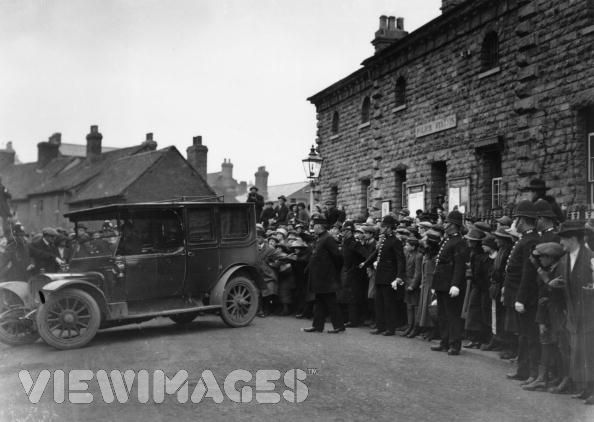
Scotland Yard detectives arrested Armstrong at his office on December 31, 1921. A search of his waistcoat revealed a paper packet containing a lethal individual dose of white arsenic:
- Katharine Armstrong's body was exhumed from Cusop churchyard. Home Office pathologist Sir Bernard Spilsbury confirmed that her visceral organs were extensively mummified, containing massive, fatal concentrations of arsenic trioxide.
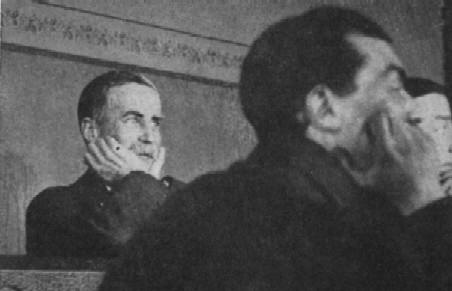
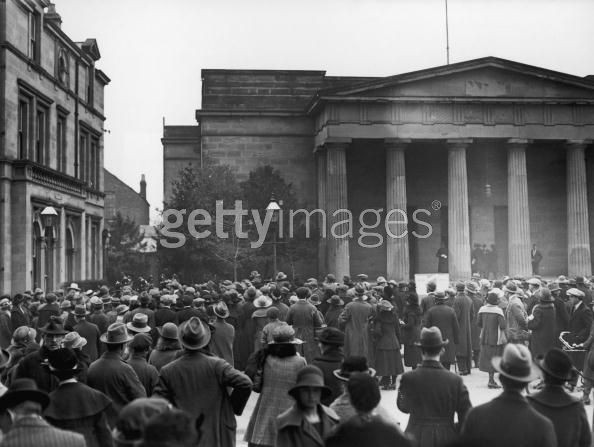
- Tried at Hereford Assizes in April 1922 before Mr. Justice Darling:
- Armstrong's claim that he carried individual packets of arsenic in his pockets to treat dandelion roots by hand collapsed under cross-examination.
- The court permitted the prosecution to introduce the attempted poisoning of Oswald Martin to disprove Armstrong's defense of accident.
- On April 13, 1922, the jury convicted Armstrong of capital murder after forty-five minutes of deliberation.
On May 31, 1922, Herbert Rowse Armstrong was executed on the gallows at Gloucester Prison. He remains the only practicing solicitor executed in British criminal annals.