


Forensic & Criminological Matrix
| Parameter | Forensic Detail |
|---|---|
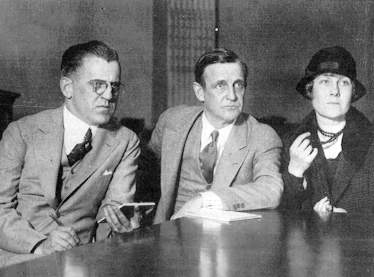
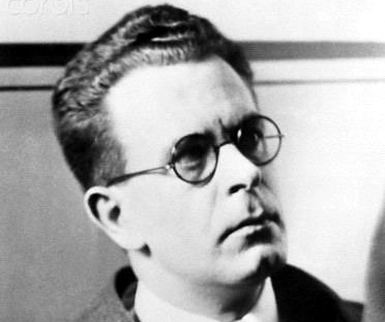
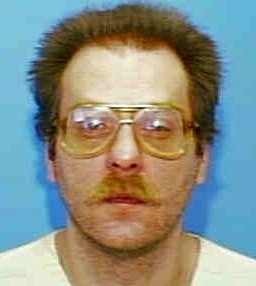
| Full Legal Name | Henry Judd Gray |
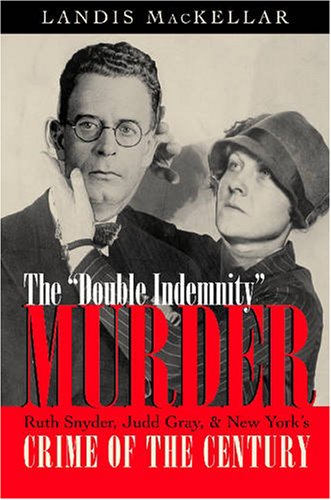
| Trial Landmark | The Snyder-Gray Case, The Sash-Weight Murder, the factual inspiration for Double Indemnity |
| Born | July 24, 1892, Cortland, New York, United States |
| Died | January 12, 1928 (aged 35), Sing Sing Correctional Facility, Ossining, New York |
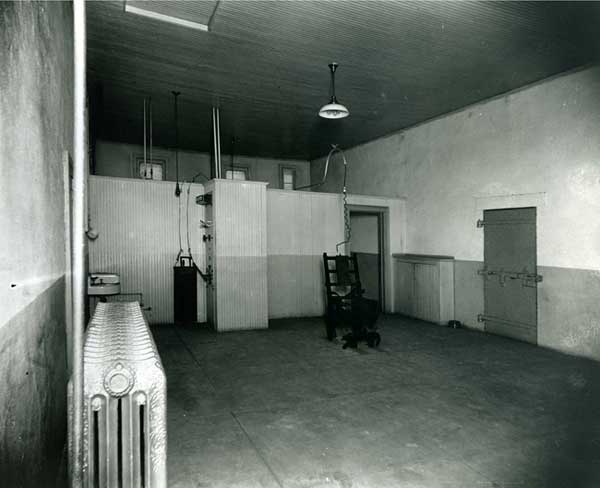
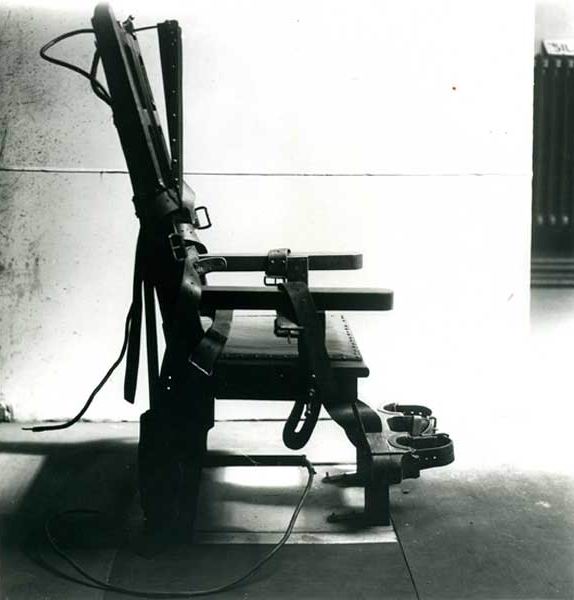
| Manner of Death | Judicial execution by electrocution in the electric chair (Old Sparky) |
| Criminological Classification | Instrumental contract murder conspirator, compliant paramour co-perpetrator |
| Crime Date | March 20, 1927 (early hours) |
| Geographical Scope | Queens Village, Queens, New York City, USA |
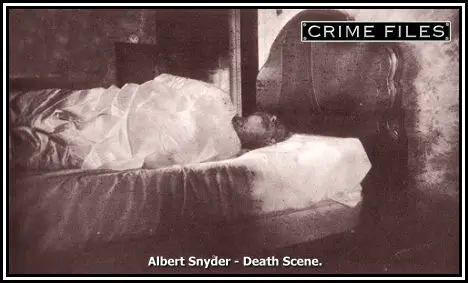
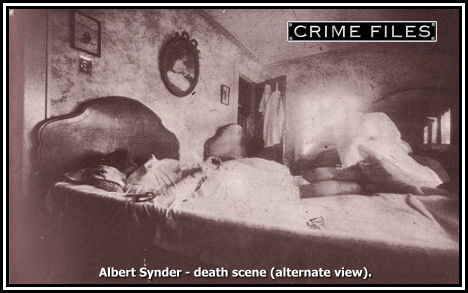
| Fatal Victim | Albert Snyder (44), art director of Motor Boating magazine and husband of Ruth Snyder |
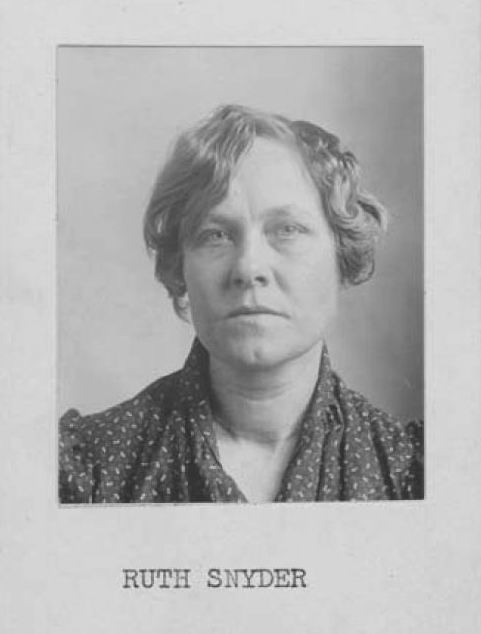
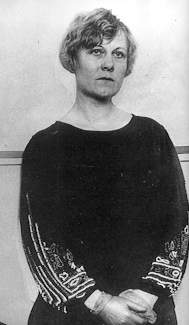
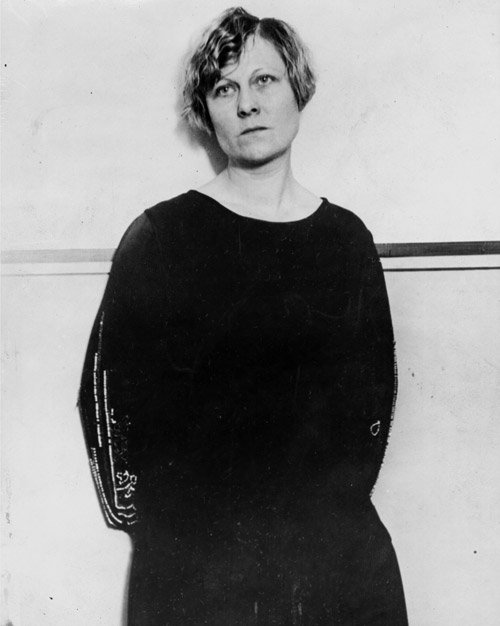
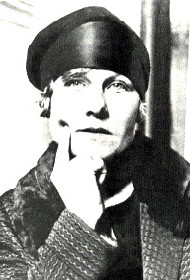
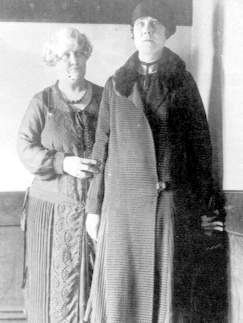
| Co-Conspirator | Ruth Brown Snyder (paramour, executed simultaneously at Sing Sing) |
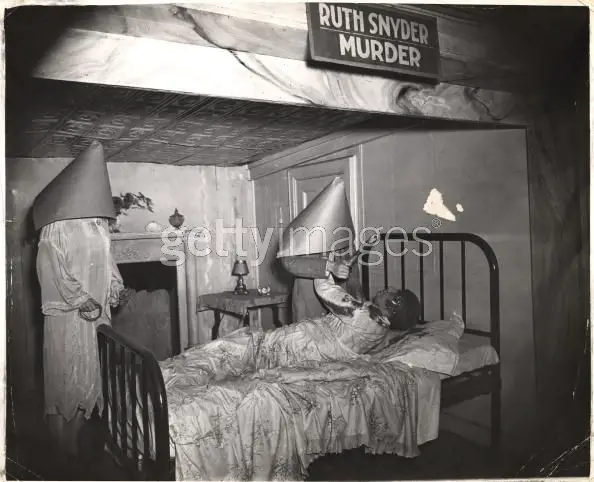
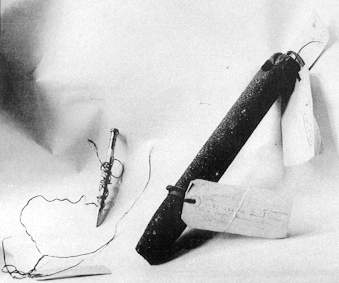
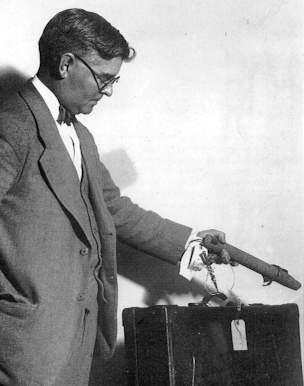
| Modus Operandi | Nocturnal ambush of the sleeping victim in bed; bludgeoning with a heavy iron-and-lead sash weight, facial chloroform saturation via gauze pads, and ligature strangulation using brass picture wire; staging an amateurish residential burglary |
| Primary Motive | Collecting on a $48,000 double-indemnity life insurance policy secretly taken out by Ruth Snyder, paired with adulterous infatuation |
| Cultural Legacy | Provided the real-life foundation for James M. Cain's iconic noir novels The Postman Always Rings Twice and Double Indemnity (adapted by Billy Wilder) |
| Legal Sentence | Capital murder conviction at Queens County Supreme Court; electrocuted at Sing Sing on January 12, 1928 |
EXECUTIVE SUMMARY & CULTURAL REACH
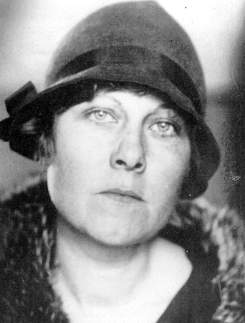
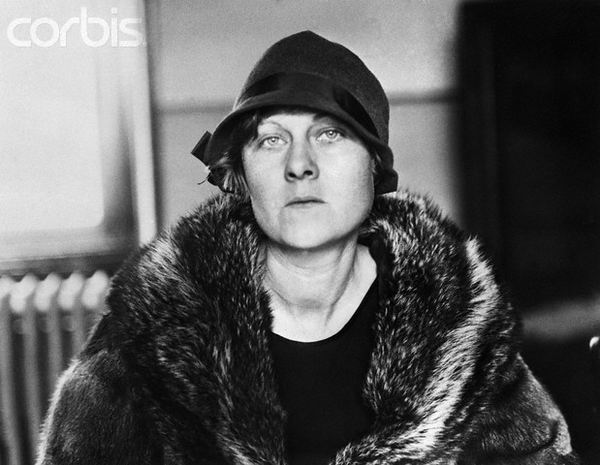
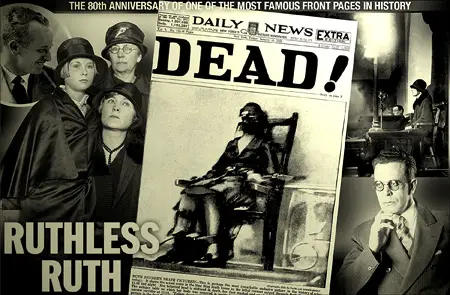
The March 1927 murder of suburban art editor Albert Snyder by his wife Ruth Snyder and her lover, traveling corset salesman Henry Judd Gray, stood as the quintessential tabloid media sensation of Jazz Age America. Celebrated reporters—including Damon Runyon, who famously christened it the "Dumbbell Murder"—documented every dramatic turn as suburban domesticity met lethal greed.
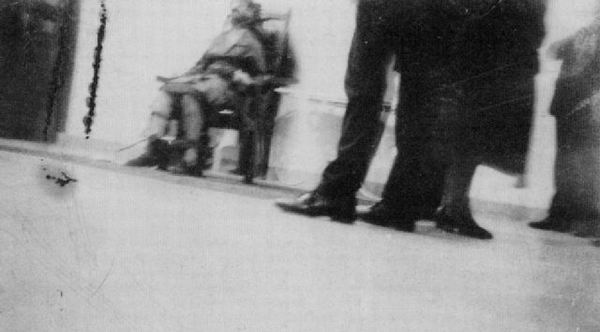
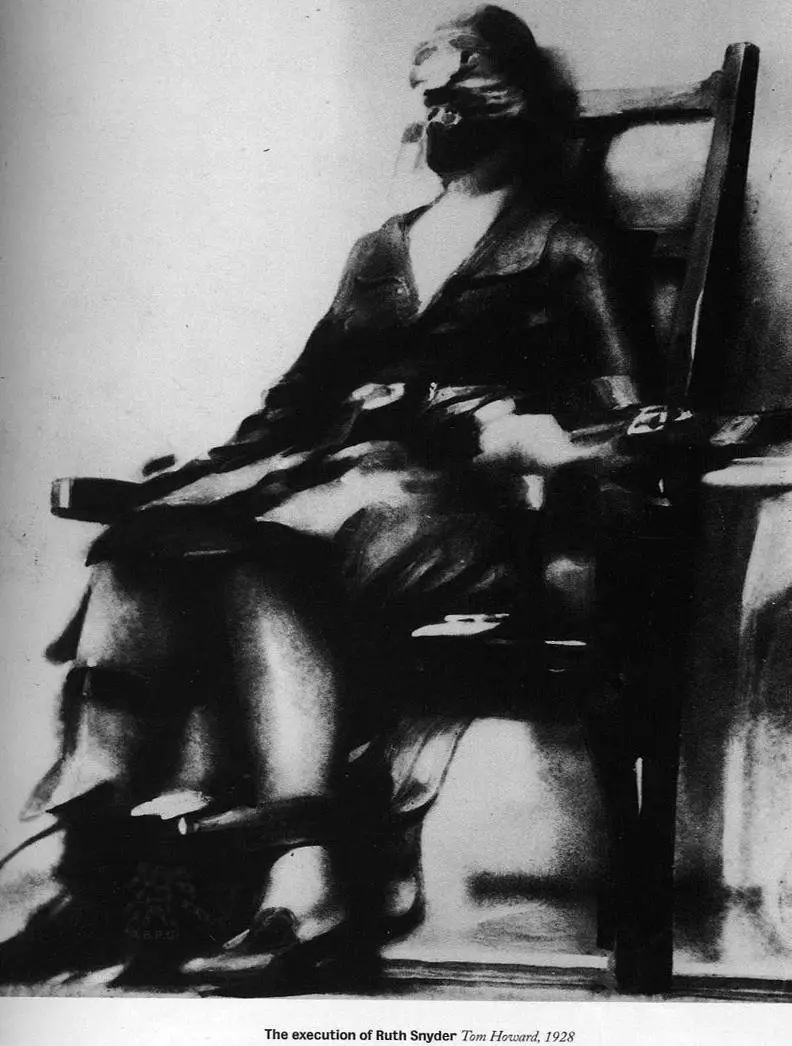
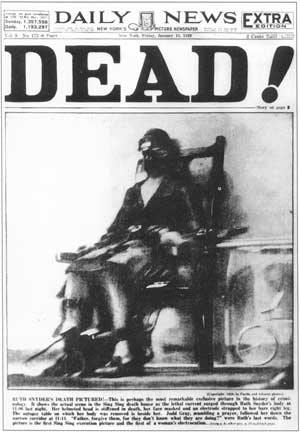
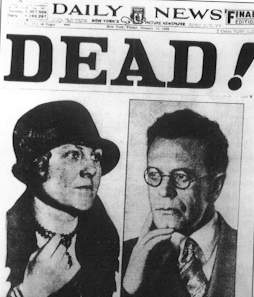
The courtroom proceedings degenerated into a vicious reciprocal blame game, with both lovers trading accusations from the witness box before being condemned to the Sing Sing electric chair. The execution generated one of the most famous investigative photographs in journalistic history when reporter Tom Howard covertly snapped Ruth Snyder strapped into the chair using a concealed ankle camera.
ADULTEROUS ENTANGLEMENT AND THE INSURANCE PLOT
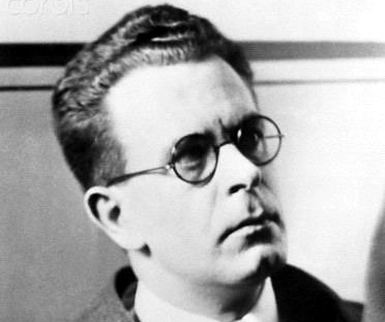
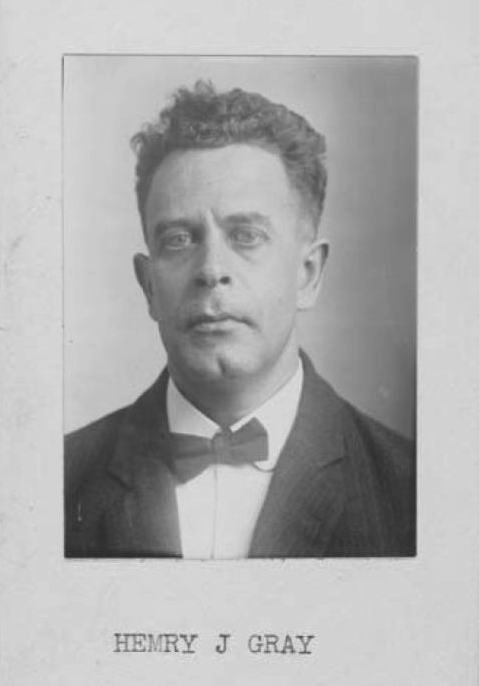
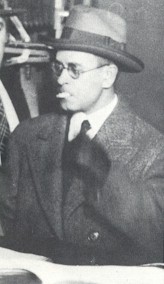
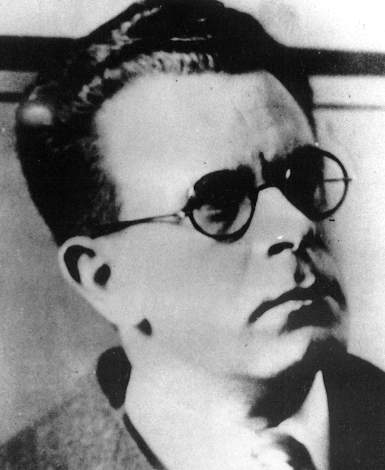
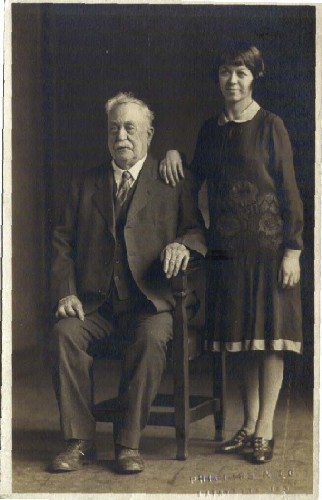
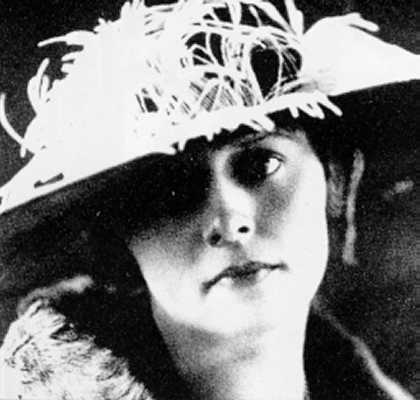
Henry Judd Gray was a mild-mannered, bespectacled corset salesman with a wife and daughter in New Jersey. In June 1925, he met Ruth Brown Snyder at a Manhattan lunch counter. Ruth was married to Albert Snyder, an introverted art director with whom she had lived in mutual bitterness for over a decade.
The two began an illicit liaison in hotels across New York. Ruth, having previously made failed attempts to poison Albert with sleeping powders and mercury bichloride, devised a lucrative scheme to eliminate him.
Behind Albert’s back, Ruth procured a $48,000 life insurance policy containing a "double indemnity" clause that paid out double if the insured died an unexpected violent death. Ruth then coerced the infatuated and spineless Gray into serving as her accomplice.
THE EXECUTION OF THE CRIME (MARCH 20, 1927)
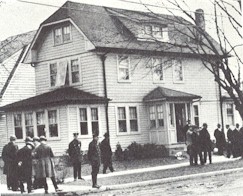
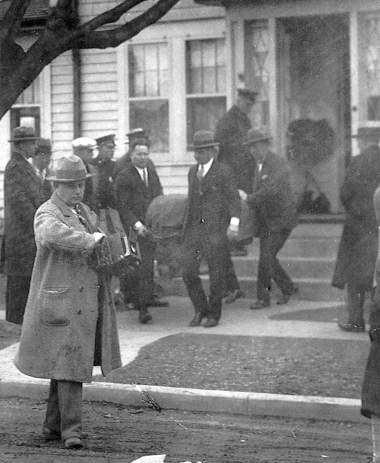
On the evening of March 19, 1927, Gray slipped into the Snyder residence in Queens Village, hiding in a spare bedroom while Albert and Ruth attended an evening bridge party.
At approximately 2:00 a.m. on March 20, the killers struck:
- Gray struck Albert over the head with an iron sash weight. However, the blow failed to incapacitate Snyder, who bolted upright and fought desperately for his life.
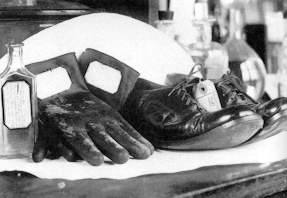
- Ruth intervened, seizing the sash weight to deliver repeated blows while Gray pressed cotton pads soaked in pharmaceutical chloroform into Snyder's mouth and nostrils.
- To ensure death, they bound Snyder's neck tightly with picture wire, twisting the wire with pliers to crush the larynx.
The pair then staged the house to simulate a home invasion by burglars, hiding jewelry under a mattress and loosely binding Ruth’s wrists before Gray caught a train to Syracuse to establish a manufactured alibi.
THE COLLAPSE OF THE INVASION RUSE
The fabricated narrative collapsed within hours. NYPD detectives noted that the ransacking was superficial, drawers had been neatly opened rather than dumped, and the cords binding Ruth’s hands were untied easily.
A search of the master bedroom uncovered a passbook and a tie pin inscribed with the initials «J.G.». Pressed by detectives, Ruth admitted her affair and accused Gray of forcing her compliance.
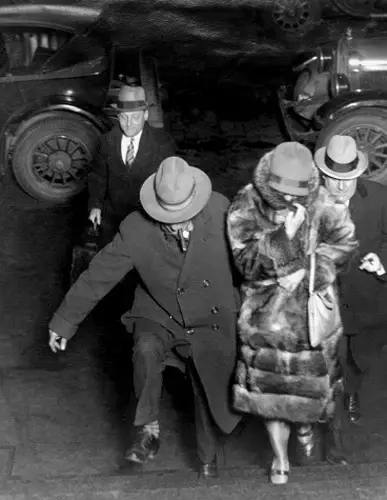
Syracuse police apprehended Gray at his hotel that evening. When informed of Ruth's confession, Gray immediately broke down and provided a full admission, handing over bloodstained clothing and tickets confirming his presence in Queens.
TRIAL AND SING SING EXECUTIONS
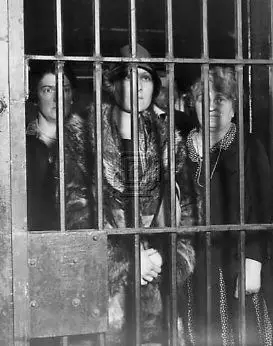
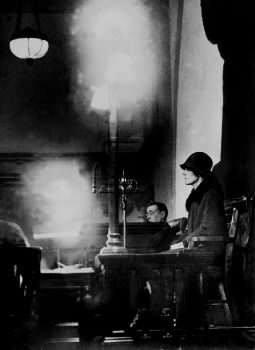
The trial opened in April 1927 at Queens County Court. The courtroom became a theatre of reciprocal vitriol: Ruth depicted Gray as a domineering schemer; Gray testified that Ruth was a predatory seductress who had plied him with alcohol and forced him into complicity.
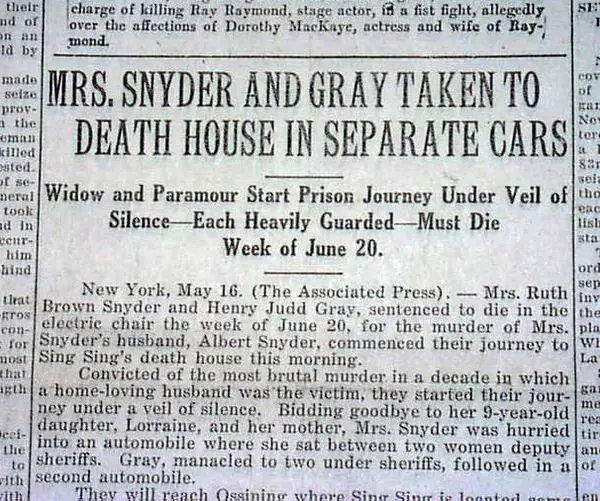
District Attorney Richard Newcombe proved that both acted in full premeditation to collect the insurance payout. On May 9, 1927, the jury found both defendants guilty of first-degree capital murder without mercy.
On the night of January 12, 1928, at Sing Sing Prison, Ruth Snyder was executed first in the electric chair. Moments later, at 11:14 p.m., Henry Judd Gray was strapped into the same chair, with electrical current applied until his death was pronounced at 11:18 p.m.