




Forensic & Criminological Matrix
| Parameter | Forensic Detail |
|---|---|
| Forensic Heading / Aliases | N/A |
| Legal Identity | James Dupree Henry |
| Confirmed Victims | 1 |
| Attributed / Indicted Victims | 1 |
| Active Timeline | 1974 |
| Jurisdiction / Area of Operations | Orlando, Florida, USA |
| Criminological Classification | Criminal Murderer (Robbery-Homicide) |
| Forensic Modus Operandi | Home invasion, immobilization via gagging, strangulation |
| Weapon / Mechanism of Death | Strangulation (gag) |
| Motive / Behavioral Dynamics | Financial gain (Robbery) |
| Judicial Outcome | Death penalty (Executed via electric chair) |
1. Background and Profile
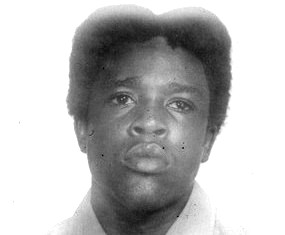
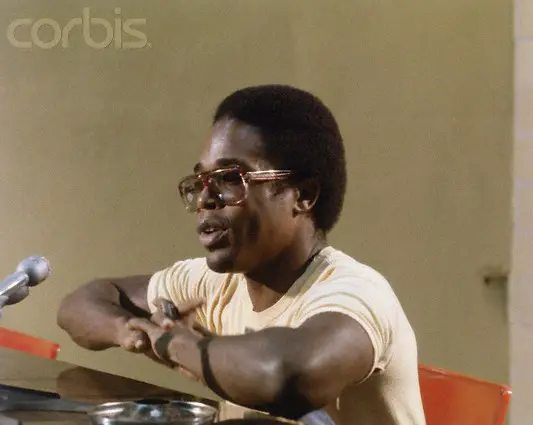
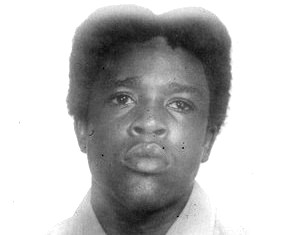
James Dupree Henry (1950–1984) was a violent offender in Florida. Post-conviction forensic evaluations, including testimony from an NYU doctor, characterized him as an intellectually limited individual with brain damage. Despite these findings, the judicial system proceeded with his execution.
2. Crime Spree
On March 23, 1974, Henry broke into the home of Zellie Riley, a prominent civil rights leader in Orlando, with the intent to commit robbery. During the commission of the crime, Henry gagged Riley to prevent him from calling for help, which resulted in the victim's death by strangulation. Henry stole $64 and several credit cards.
3. Investigation and Arrest
Five days after the murder, during his arrest, Henry shot and wounded Orlando police detective Ronald E. Ferguson. This incident significantly impacted the public perception of the case, as media coverage disproportionately focused on the wounded officer rather than the murder of the civil rights leader.
4. Legal Proceedings and Outcome
Henry was convicted of first-degree murder in 1974. His case reached the U.S. Court of Appeals, where issues regarding non-statutory aggravating circumstances were debated. Despite advocacy from high-profile figures such as Jesse Jackson and Coretta Scott King, the death sentence was upheld.
5. Psychiatric Evaluation and Execution
Ten years after his conviction, new evidence regarding Henry's cognitive impairments was presented, but the Supreme Court ruled it was too late to intervene. James Dupree Henry was executed in the electric chair on September 20, 1984, stating, "My final words are, I am innocent."