Forensic & Criminological Matrix
| Parameter | Forensic Detail |
|---|---|
| Forensic Heading / Aliases | None |
| Legal Identity | George Russell Henry |
| Confirmed Victims | 1 |
| Attributed / Indicted Victims | 1 |
| Active Timeline | July 13, 1993 |
| Jurisdiction / Area of Operations | Cobb County, Georgia, USA |
| Criminological Classification | Cop killer / Opportunistic offender |
| Forensic Modus Operandi | Close-range execution with firearm following routine stop |
| Weapon / Mechanism of Death | Davis Industries .380 semi-automatic pistol |
| Motive / Behavioral Dynamics | Avoidance of arrest for 'felon in possession' of a firearm |
| Judicial Outcome | Death sentence (upheld on appeal) |
1. Background and Profile
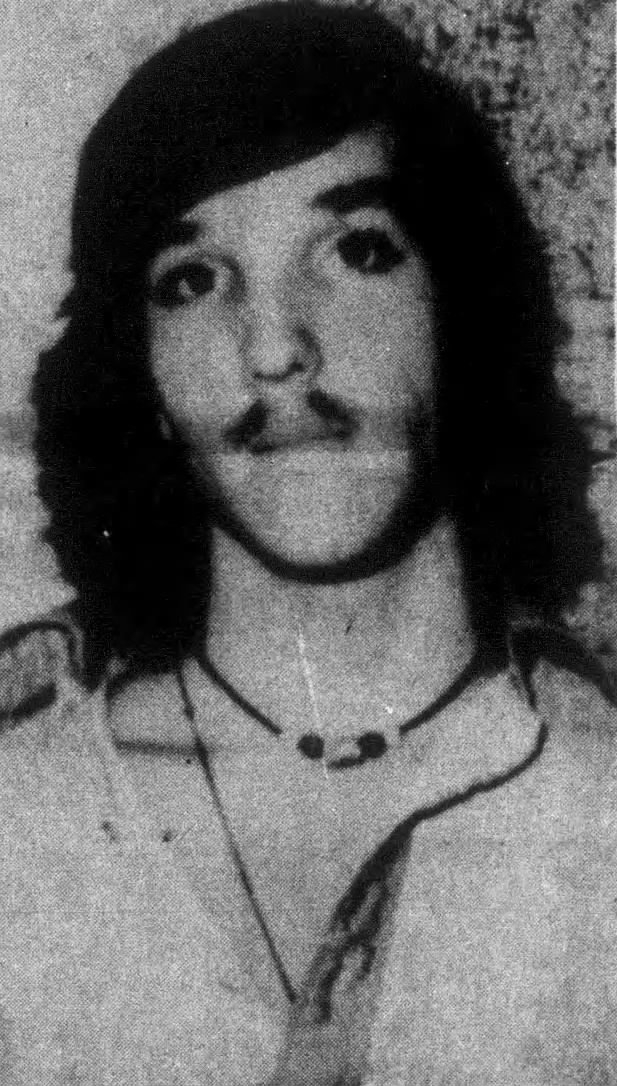
George Russell Henry was a repeat offender with a history of burglary. While serving time at the Cobb County Correctional Institute, he explicitly told fellow inmates that he would kill a police officer before returning to jail. He was released on July 1, 1993, and remained at large until the incident.
2. Crime Spree
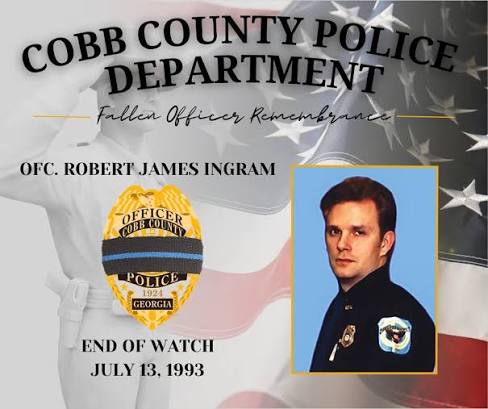
On July 13, 1993, Officer Robert Ingram stopped Henry, who was dressed in black and carrying a bag. Realizing that a search would reveal his illegal firearm and ammunition, Henry shot Officer Ingram twice—once in the face and once in the back of the head—at a distance of less than one foot. He then fled the scene in the officer's patrol car.
3. Investigation and Arrest
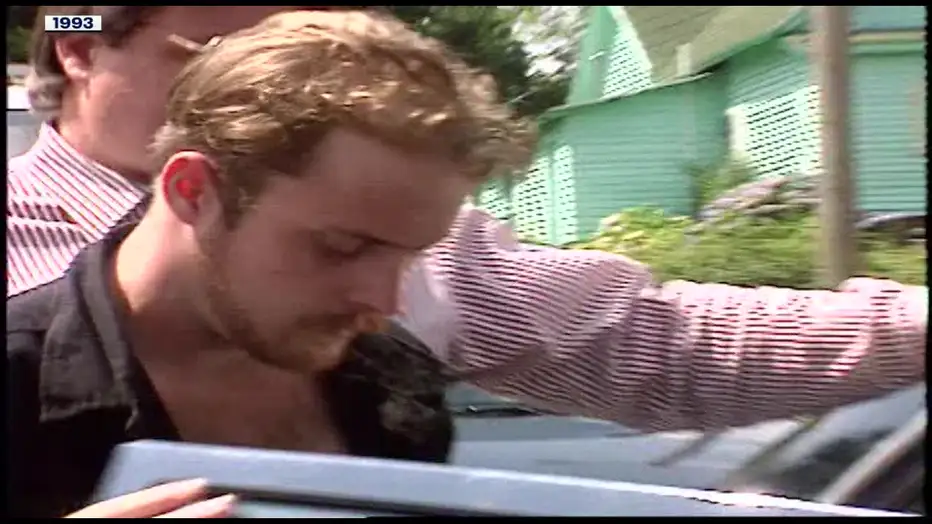
Police discovered Officer Ingram's body within 14 minutes of his last radio transmission. Henry was apprehended shortly thereafter at a municipal golf course while using a payphone. He confessed to the murder and led investigators to the location where he had discarded the murder weapon.
4. Legal Proceedings and Outcome
Henry pleaded guilty to malice murder. His sentencing trial resulted in a death sentence, with the jury finding two statutory aggravating circumstances: the murder of a peace officer and the intent to avoid lawful arrest. Subsequent appeals regarding his guilty plea and ineffective assistance of counsel were denied by the Georgia Supreme Court.