

CRIMETECATrue Crime Archive
DossiersCasesCompareForumMapStats
/
Sign In
CRIMETECA

The definitive digital archive of True Crime, forensic criminology, and serial killers. Historical preservation of over 7,300 criminal records worldwide.

7,344 Verified Cases•+12,000 Photographs

Navigation

  • Case Dossiers
  • Crime Cases
  • Forensic Statistics
  • Comparador Forense
  • Community & Forum

Documentary Notice

Platform intended for academic research, criminology journalism, and historical preservation. No criminal act is promoted or glorified.

© 2026 Crimeteca. All rights reserved.

Privacy PolicyTerms of UsePress Inquiries
Back to archive
Henri-Antoine Charrière
Deceased
Download Dossier (PDF)Discuss in Forum
Forensic Case Timeline

Chronological reconstruction of crimes, breakthrough clues, police capture, and judicial outcome.

16 de noviembre de 1906MilestoneSaint-Étienne-de-Lugdarès, Francia
Verified Forensic Milestone

Birth of Henri-Antoine Charrière

Born in Saint-Étienne-de-Lugdarès, France.

1927MilestoneParís, Francia
Verified Forensic Milestone

Settling in Paris

Charrière integrates into the criminal underworld of Montmartre and Pigalle.

26 de marzo de 1930The CrimeParís, Francia
Verified Forensic Milestone

Homicide of Roland Legrand

Roland Legrand is murdered in Montmartre, identifying Charrière as the perpetrator.

7 de abril de 1930Raid & ArrestParís, Francia
Verified Forensic Milestone

Arrest of Charrière

Police arrest Henri Charrière for the murder of Legrand.

28 de octubre de 1931Trial & SentencingParís, Francia
Verified Forensic Milestone

Judicial sentencing

The Seine Court sentences him to life imprisonment with hard labor.

Septiembre de 1933MilestoneGuayana Francesa
Verified Forensic Milestone

Deportation to French Guiana

Charrière is transported to the Saint-Laurent-du-Maroni penal colony.

Noviembre de 1933MilestoneGuayana Francesa
Verified Forensic Milestone

First escape

Charrière escapes to Colombia in a canoe with two companions.

1934Raid & ArrestIsla de San José, Guayana Francesa
Verified Forensic Milestone

Extradition and confinement

After being captured in Colombia, he is extradited and confined to Saint Joseph Island.

1944MilestoneIsla del Diablo, Guayana Francesa
Verified Forensic Milestone

Final escape

Charrière escapes from Devil's Island using coconut sacks as a raft.

18 de octubre de 1945MilestoneVenezuela
Verified Forensic Milestone

Final release

He obtains final freedom after his time at El Dorado prison.

1956MilestoneCaracas, Venezuela
Verified Forensic Milestone

Venezuelan naturalization

Charrière acquires Venezuelan citizenship.

1969MilestoneParís, Francia
Verified Forensic Milestone

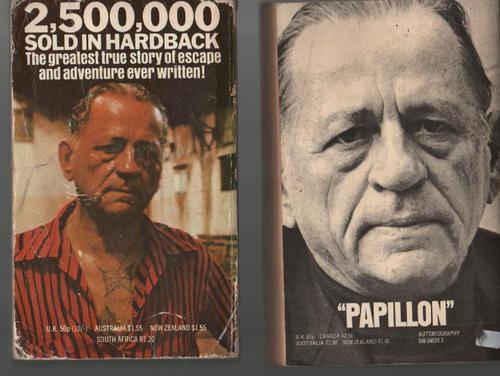
Publication of Papillon

His autobiographical book is published, becoming a bestseller.

1970MilestoneFrancia
Verified Forensic Milestone

Official pardon

The French government grants him a pardon and rehabilitation.

29 de julio de 1973MilestoneMadrid, España
Verified Forensic Milestone

Death

Charrière dies in Madrid due to laryngeal cancer.

Biographical & Judicial Report

Criminological Library & BibliographyDocumented Works

Recommended Books on Henri-Antoine Charrière

Delve into verified investigative journalism, psychiatric trial evaluations, and archival criminal profiling on this case.

Search Books on Amazon ↗
Crimeteca

Femmes, rhétorique et éloquence sous l'ancien régime

Claude La Charité

Amazon Book
Edition 2012

Femmes, rhétorique et éloquence sous l'ancien régime

By Claude La Charité

Biographical study and forensic investigation archived in the international literature database.

Check on Amazon→
Audible an Amazon CompanyAudible
Audible 30-Day Free Trial

Prefer audiobooks? Try Audible 30 days free

Listen to thousands of true crime podcasts, forensic memoirs, and unabridged audiobooks at no extra cost.

Claim 30-day free trial on Amazon
Cold Case Investigation Game
Real Case
Cold Case Games

Investigate Cold Cases & Mystery Escape Rooms

Experience realistic detective dossiers, crime scene evidence, interrogation transcripts, and forensic files.

Explore detective games on Amazon

Affiliate Disclosure: In accordance with the Amazon Associates Program Operating Agreement, Crimeteca earns from qualifying purchases via affiliate links. This generates no additional cost to the reader and supports the independent preservation and forensic documentation of this criminological archive.

Forensic Community Debate

Theories & Investigation Notes0

Share your hypotheses, crime scene observations or evidence insights with the Crimeteca community.

Add Your Theory / Forensic NotePosting as guest researcher
or log in →
0 / 3000
Loading debate stream...
Perfil Criminológico Comparado

Related Criminological Cases

Similar cases from the historical archive with matching criminal typology, same country, or shared modus operandi.

Pascal Payet
IMPRISONED
1 victim

Pascal Payet

Compare Criminal
DOSSIER #00145Organized Crime & Hitmen

Henri-Antoine Charrière

"Papillon"

Confirmed Victims
1
GenderMale
BirthNovember 16, 1906
DeathJuly 29, 1973
Country / LocationParís, France
ClassificationOrganized Crime & Hitmen
Evidence / Photos
20 Files
Modus Operandi & Traits:Convicted of the gunshot murder of pimp Roland Legrand in the Pigalle underworld in Paris; protagonist of legendary escapes from the penal colony of French Guiana captured in his work Papillon.
Theater of Operations

Forensic Cartography

48.8566° N, 2.3522° E
París, París / Guayana Francesa, France
View in Global Crime Map

Documented Victims

1 fatal

1
Fatal Victim
Carnicero y proxenetaMale
26 de marzo de 1930Montmartre, París

Forensic & Criminological Matrix

Parameter Forensic Detail
Full Legal Name Henri-Antoine Charrière
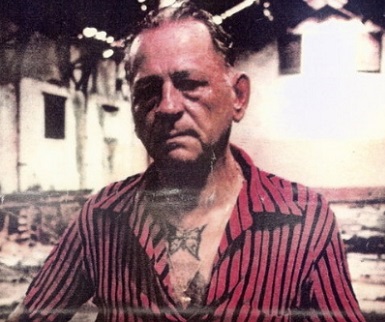
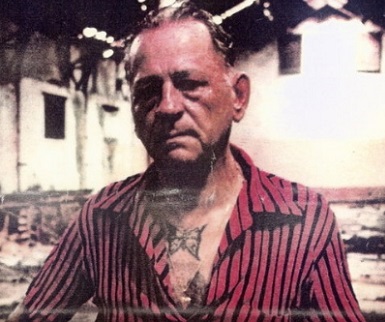
Monikers & Nom de Plume Papillon (named after the prominent butterfly tattoo etched upon his chest)
Born November 16, 1906, Saint-Étienne-de-Lugdarès, Ardèche, France
Died July 29, 1973 (aged 66), Clínica de la Concepción, Madrid, Spain
Manner of Death Laryngeal cancer (natural mortality)
Criminological Classification Parisian underworld operative (Milieu), convicted homicide inmate, and legendary penal colony escapee
Date of Contested Crime March 26, 1930 (fatal shooting of pimp Roland Legrand in Paris)
Trial Sentence October 28, 1931, Seine Assizes Court (Paris): Sentenced to hard labor for life (travaux forcés à perpétuité) at the French Guiana penal settlement, followed by ten years of colonial banishment
Penal Geography Paris (Montmartre and Pigalle), Saint-Laurent-du-Maroni, Saint-Joseph Island, Royale Island, Devil's Island (French Guiana), and El Dorado (Venezuela)
Attributed Victim Roland Legrand (alias Roland le Petit, Montmartre butcher and pimp, fatally shot in the stomach)
Signature Escapes Sea voyage in a wooden sloop to Colombia in 1933; surviving two years in subterranean solitary confinement at Saint-Joseph; final escape in 1944 leaping into coastal swells from Devil's Island riding two coconut-filled sack rafts
Post-Incarceration Career Naturalized Venezuelan citizen in 1956; author of the global bestselling autobiographical memoir Papillon (1969), adapted into the 1973 feature film starring Steve McQueen and Dustin Hoffman
Final Legal Disposition Died a free man in Madrid in 1973 following official French presidential pardon in 1970

EXECUTIVE SUMMARY & HISTORICAL SIGNIFICANCE

Henri-Antoine Charrière, universally celebrated by his alias «Papillon», remains one of the most enigmatic and resilient penal figures of the twentieth century. Convicted in 1931 for an underworld murder in Montmartre that he steadfastly denied, Charrière transformed his life sentence in the notorious tropical penal colony of French Guiana into an extraordinary saga of survival, endurance, and impossible prison breaks.

His 1969 autobiographical chronicle Papillon sold over ten million copies internationally, generating fervent global debate regarding the human rights abuses and administrative barbarity of France's penal deportation system, while enshrining Charrière as the definitive archetype of the unconquerable fugitive.


EARLY YEARS IN ARDÈCHE AND THE PARISIAN UNDERWORLD

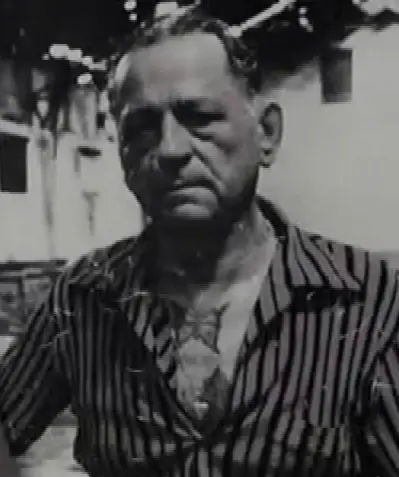
Born in 1906 in Ardèche to a family of respected schoolteachers, Charrière suffered early maternal bereavement at age ten. Enlisting in the French Navy at seventeen, he served two years in the Mediterranean and had an expansive butterfly tattoo etched across his sternum—a permanent emblem of defiance and liberty that earned him his lifelong moniker in Parisian criminal circles.

Discharged in 1927, he immersed himself in the bustling underworld (Milieu) of Montmartre and Pigalle, operating as a petty thief, safe-cracker, and underworld enforcer in the cabarets of northern Paris.


THE KILLING OF ROLAND LEGRAND (1930) AND THE SEINE ASSIZES TRIAL

In the early morning of March 26, 1930, Roland Legrand, a well-known Montmartre pimp and underworld figure, was shot in the abdomen on a Parisian street corner. Dying hours later in hospital, Legrand whispered to attending police detectives: "It was Papillon Roger..."

Police arrested Charrière on April 7, 1930. Despite Charrière’s vehement protestations that he was dining with his mistress elsewhere at the time of the shooting, unreliable testimonies from underworld informants and aggressive prosecution sealed his fate before the Seine Assizes Court.

On October 28, 1931, the jury convicted Charrière of voluntary manslaughter. The presiding judge handed down the maximum penalty: life imprisonment with hard labor (travaux forcés à perpétuité) in the penal colonies of French Guiana.


THE GREEN HELL OF FRENCH GUIANA AND FIRST ESCAPE

In September 1933, aboard the prison transport ship La Martinière, Charrière was transported across the Atlantic to Saint-Laurent-du-Maroni. Convinced of his wrongful conviction, he resolved to escape immediately.

Only 42 days after arriving, in November 1933, Charrière and two fellow convicts (André Maturette and Joanes Clousiot) launched an audacious escape aboard an open wooden boat, navigating treacherous Caribbean currents to the coast of Colombia. Recaptured by Colombian authorities in Barranquilla months later, he was extradited back to French Guiana in 1934.

As punishment for his escape, Charrière was condemned to two years of absolute solitary confinement on Saint-Joseph Island (the man-eater), where prisoners were housed in subterranean iron cages in perpetual silence and darkness. Charrière survived through rigorous mental gymnastics and strict physical routines.


THE DARING LEAP FROM DEVIL'S ISLAND (1944)

Following multiple subsequent escape attempts—including feigning insanity to access the more leniently guarded mental ward on Royale Island—Charrière was transferred to the windswept crags of Devil's Island (Île du Diable), famously home to Captain Alfred Dreyfus and considered escape-proof due to sheer cliffs, ocean rip currents, and shark-infested waters.

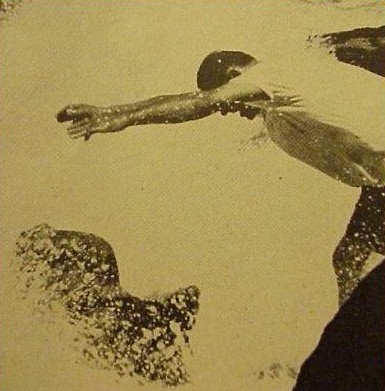
Observing the surf from cliff-top vantage points, Charrière determined that every seventh wave possessed immense hydraulic backwash capable of projecting buoyant debris away from the island toward the mainland. He assembled two canvas sacks stuffed tightly with hundreds of dried coconuts to construct a buoyant improvised raft.

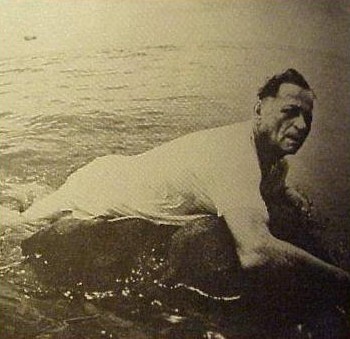
In 1944, accompanied by an inmate named Sylvain, Charrière hurled himself into the pounding surf from the cliffs. After four harrowing days drifting without fresh water, Sylvain drowned in coastal mudflats, but Charrière washed ashore on the South American mainland near British Guiana.


EXILE IN VENEZUELA, LITERARY FAME, AND OFFICIAL PARDON

Following another brief detention in Venezuela's El Dorado penal camp, Charrière gained unconditional freedom on October 18, 1945. He settled permanently in Caracas, married Rita Alcover, managed flourishing nightspots, and obtained Venezuelan citizenship in 1956.

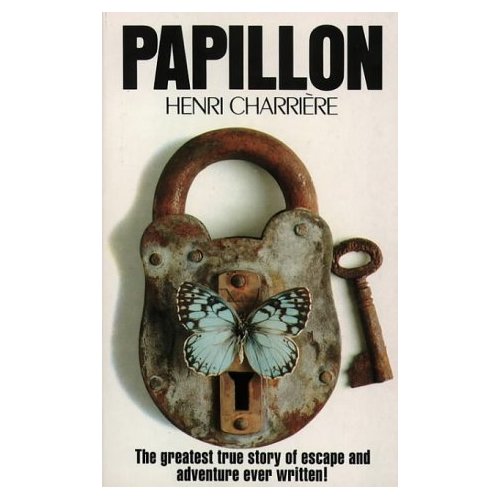
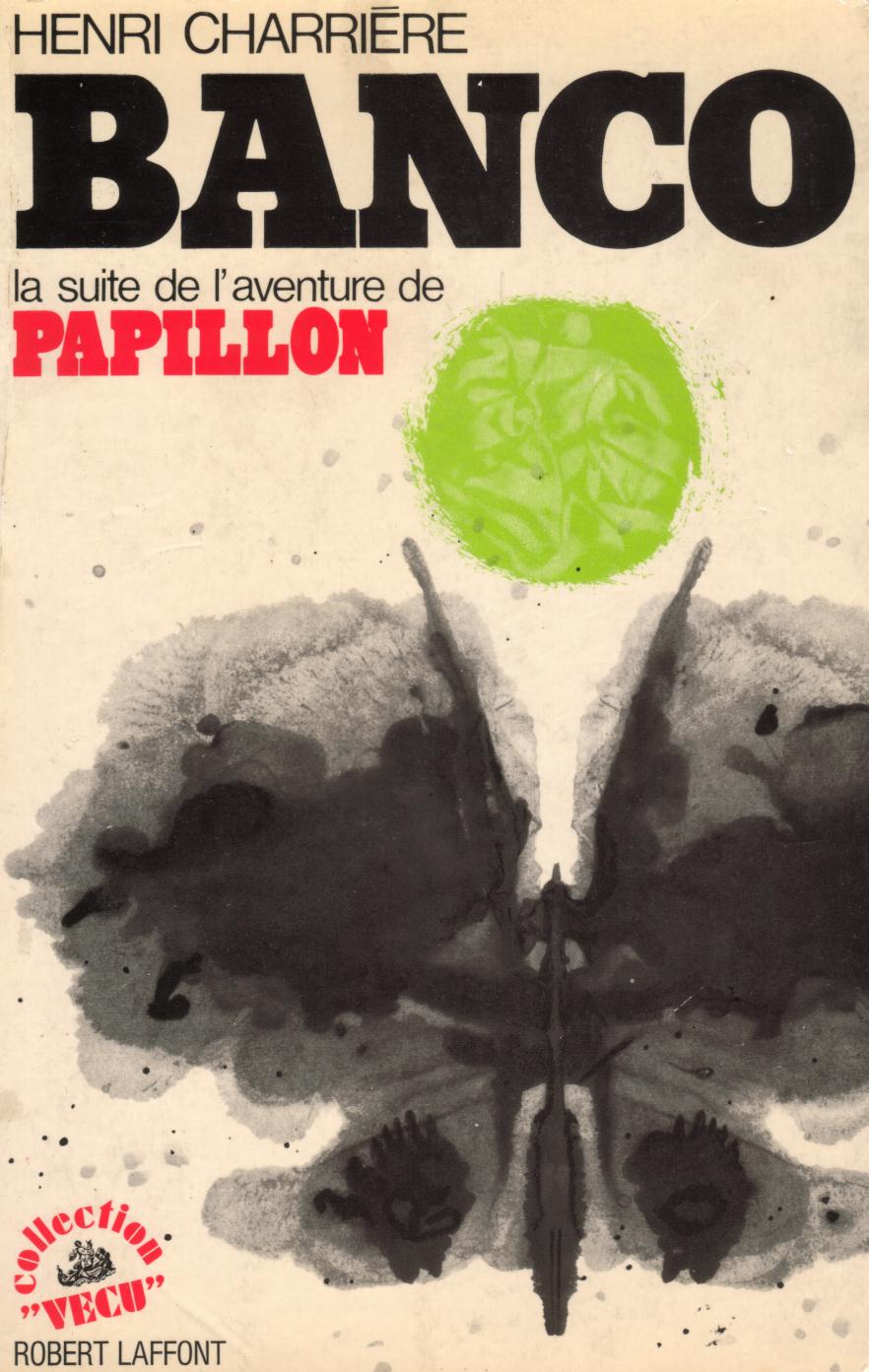
In 1968, inspired by the French student protests and the abolition of penal deportation, Charrière wrote his prison memoirs in school notebooks. Published in Paris by Robert Laffont in 1969, Papillon became an explosive bestseller, selling millions of copies and sparking parliamentary debates. While historians subsequently demonstrated that Charrière combined his own adventures with legendary escapades of other convicts (such as Charles Brunier and René Belbenoît), the narrative genius of the book captivated readers worldwide.

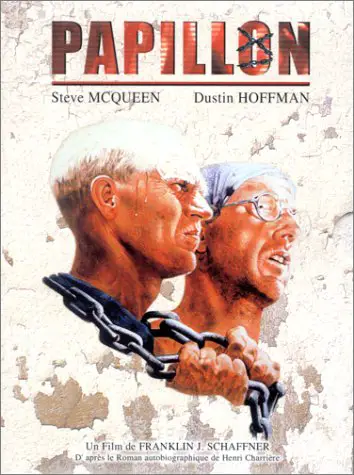
In 1970, the French Minister of Justice granted Charrière a formal pardon, lifting all restrictions and welcoming him back to Paris. In 1973, director Franklin J. Schaffner released the cinematic adaptation starring Steve McQueen as Papillon and Dustin Hoffman as Louis Dega.

On July 29, 1973, weeks prior to the film's international premiere, Henri Charrière died of throat cancer in Madrid at age 66. He was buried in his ancestral soil in Lanas, Ardèche.
Documentary Gallery

20 Files
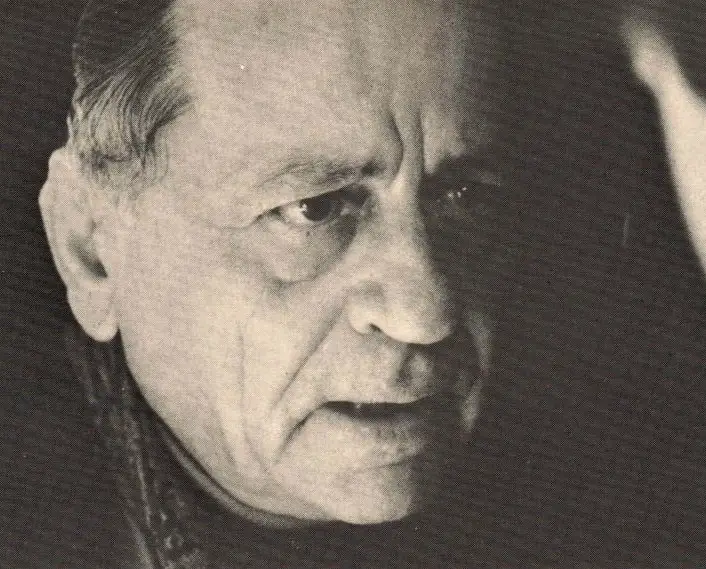
Henri-Antoine Charrière
Perpetrator
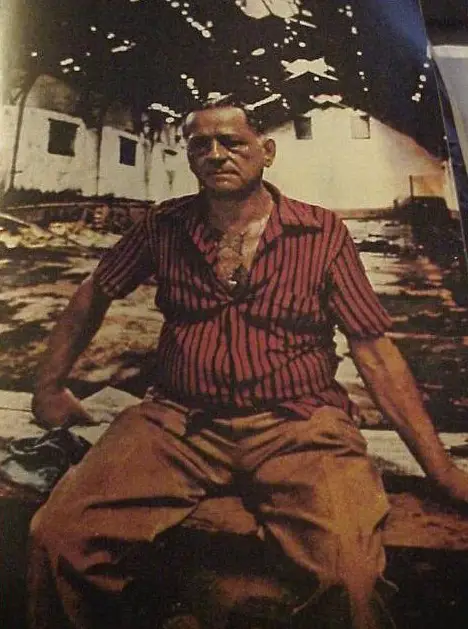
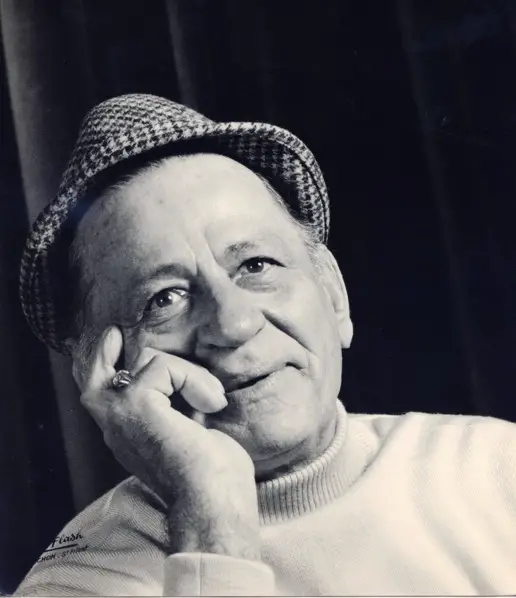
Portrait of Henri Charrière ("Papillon") displaying the famous butterfly chest tattoo that inspired his moniker
Perpetrator

Portrait of Henri Charrière ("Papillon") displaying the famous butterfly chest tattoo that inspired his moniker

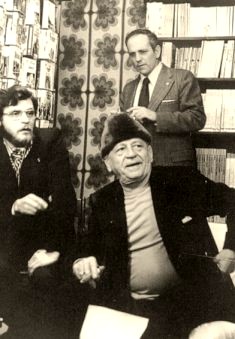
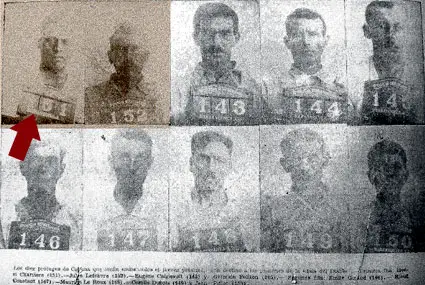
Photographic evidence in the Henri-Antoine Charrière dossier.
General

Photographic evidence in the Henri-Antoine Charrière dossier.

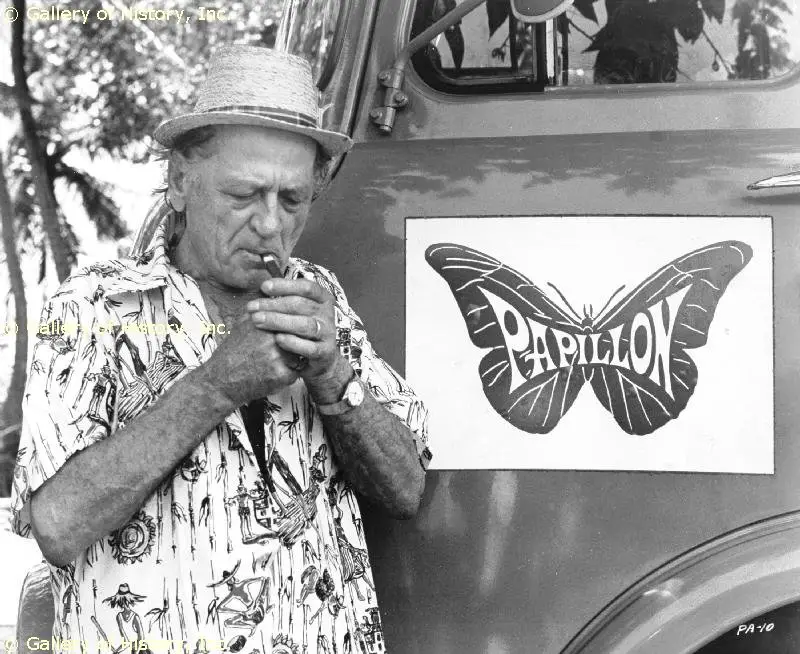
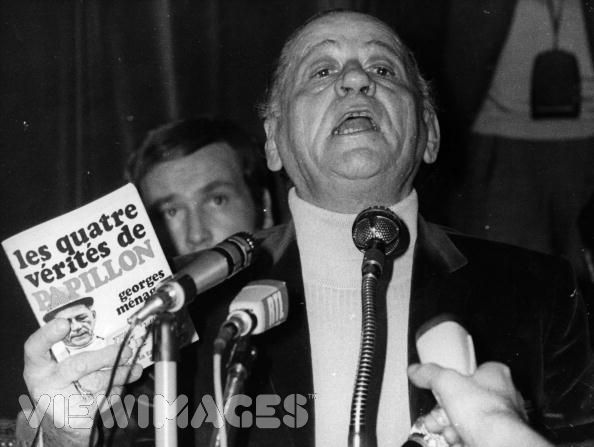
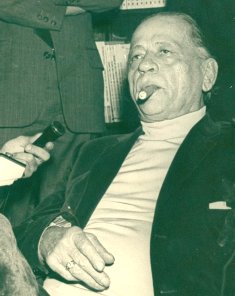
Henri Charrière in the years following the worldwide publication of his memoir Papillon
Perpetrator

Henri Charrière in the years following the worldwide publication of his memoir Papillon

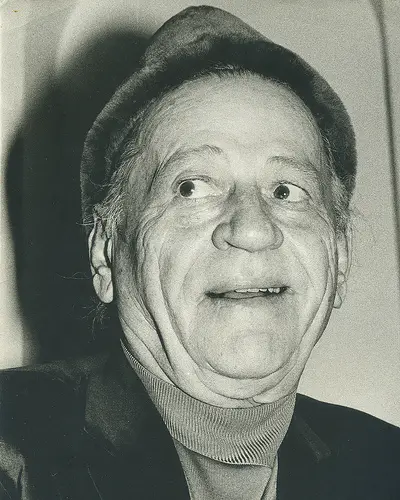
Photographic evidence in the Henri-Antoine Charrière dossier.
General

Photographic evidence in the Henri-Antoine Charrière dossier.

Photographic evidence in the Henri-Antoine Charrière dossier.
General

Photographic evidence in the Henri-Antoine Charrière dossier.

Photographic evidence in the Henri-Antoine Charrière dossier.
General

Photographic evidence in the Henri-Antoine Charrière dossier.

Photographic evidence in the Henri-Antoine Charrière dossier.
General

Photographic evidence in the Henri-Antoine Charrière dossier.

Photographic evidence in the Henri-Antoine Charrière dossier.
General

Photographic evidence in the Henri-Antoine Charrière dossier.

Photographic evidence in the Henri-Antoine Charrière dossier.
General

Photographic evidence in the Henri-Antoine Charrière dossier.

Photographic evidence in the Henri-Antoine Charrière dossier.
General

Photographic evidence in the Henri-Antoine Charrière dossier.

Photographic evidence in the Henri-Antoine Charrière dossier.
General

Photographic evidence in the Henri-Antoine Charrière dossier.

Photographic evidence in the Henri-Antoine Charrière dossier.
General

Photographic evidence in the Henri-Antoine Charrière dossier.

Photographic evidence in the Henri-Antoine Charrière dossier.
General

Photographic evidence in the Henri-Antoine Charrière dossier.

Photographic evidence in the Henri-Antoine Charrière dossier.
General

Photographic evidence in the Henri-Antoine Charrière dossier.

Photographic evidence in the Henri-Antoine Charrière dossier.
General

Photographic evidence in the Henri-Antoine Charrière dossier.

Photographic evidence in the Henri-Antoine Charrière dossier.
General

Photographic evidence in the Henri-Antoine Charrière dossier.

Photographic evidence in the Henri-Antoine Charrière dossier.
General

Photographic evidence in the Henri-Antoine Charrière dossier.

Photographic evidence in the Henri-Antoine Charrière dossier.
General

Photographic evidence in the Henri-Antoine Charrière dossier.

Photographic evidence in the Henri-Antoine Charrière dossier.
General

Photographic evidence in the Henri-Antoine Charrière dossier.

Forensic Community

Do you have theories or evidence on this dossier?

Start a public investigation thread on the forum with this dossier automatically attached.

Start forum discussion →
Salon-de-Provence, Francia
View full dossier →
Expediente #8807
DECEASED
1 victim

Jean-Louis Camerini

Costa del Sol / Torreguadiaro, Francia
View full dossier →
Bugsy Siegel
DECEASED
5 victims

Bugsy Siegel

"Bugsy"

Beverly Hills, California, Estados Unidos
View full dossier →
Carl Williams
DECEASED
4 victims

Carl Williams

"The Premier"

Melbourne, Australia
View full dossier →