Forensic & Criminological Matrix
| Parameter | Forensic Detail |
|---|---|
| Forensic Heading / Aliases | William Heilwagner |
| Legal Identity | William Heilwagner |
| Confirmed Victims | 1 |
| Attributed / Indicted Victims | 1 |
| Active Timeline | 1881 |
| Jurisdiction / Area of Operations | Rock Island, Illinois, USA |
| Criminological Classification | Judicial error / Wrongful execution |
| Forensic Modus Operandi | Circumstantial evidence-based prosecution |
| Weapon / Mechanism of Death | Homicide (unspecified) / Judicial hanging |
| Motive / Behavioral Dynamics | Domestic dispute |
| Judicial Outcome | Death sentence and execution (later overturned by confession) |
1. Background and Profile
William Heilwagner was an elderly man whose case stands as a grim reminder of the fallibility of the 19th-century American justice system. His stoic demeanor and refusal to actively participate in his own defense were misinterpreted by the court as evidence of guilt.
2. Crime Spree
Following the murder of his daughter-in-law, Dora Heilwagner, on September 6, 1881, William became the prime suspect. The prosecution relied on circumstantial evidence, including a reported argument over milk and testimony from his daughter regarding his intoxicated state and verbal abuse toward the victim.
3. Investigation and Arrest
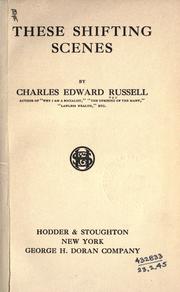
Despite the lack of direct evidence or eyewitnesses, the case moved quickly. Journalist Charles Edward Russell, later a Pulitzer Prize winner, attempted to interview the condemned man, but Heilwagner remained uncommunicative, famously stating he only wanted to "weed his onions."
4. Legal Proceedings and Outcome
Heilwagner was convicted and sentenced to death. The verdict was upheld by higher courts, and he was executed by hanging in March 1882, consistently maintaining his innocence.
5. Forensic Conclusion and Aftermath
A decade later, the truth emerged when Otto Heilwagner, the victim's husband and William's son, committed suicide in Quincy, Illinois, leaving behind a written confession. He admitted to killing his wife due to her alleged adultery. This revelation profoundly affected Charles Edward Russell, who became a lifelong advocate against the death penalty, citing the unacceptable risk of executing the innocent.