Forensic & Criminological Matrix
| Parameter | Forensic Detail |
|---|---|
| Forensic Heading / Aliases | null |
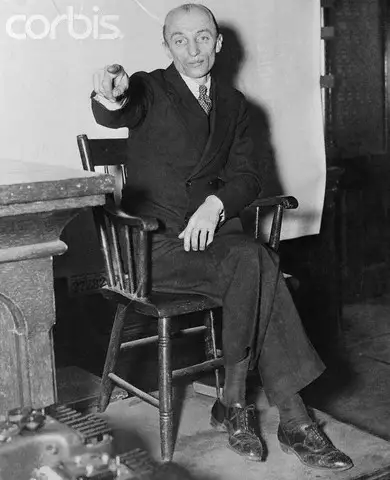
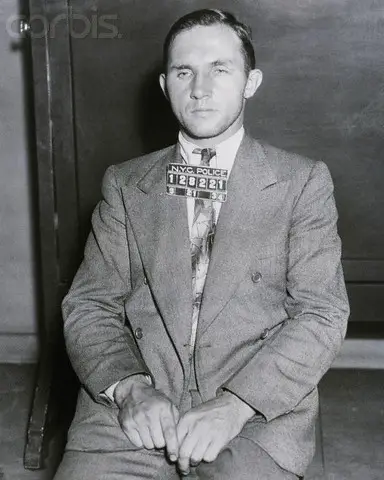
| Legal Identity | Bruno Richard Hauptmann |
| Confirmed Victims | 1 |
| Attributed / Indicted Victims | 1 |
| Active Timeline | 1932 |
| Jurisdiction / Area of Operations | Hopewell, New Jersey, USA |
| Criminological Classification | Kidnapper / Murderer |
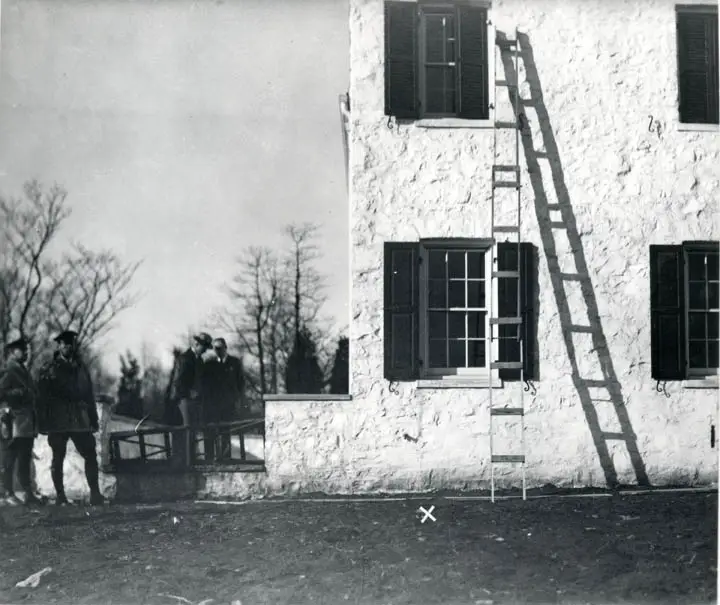
| Forensic Modus Operandi | Forced entry via ladder, kidnapping and extortion |
| Weapon / Mechanism of Death | Blunt force trauma to the head |
| Motive / Behavioral Dynamics | Financial gain |
| Judicial Outcome | Death sentence, executed by electric chair |
1. Background and Profile
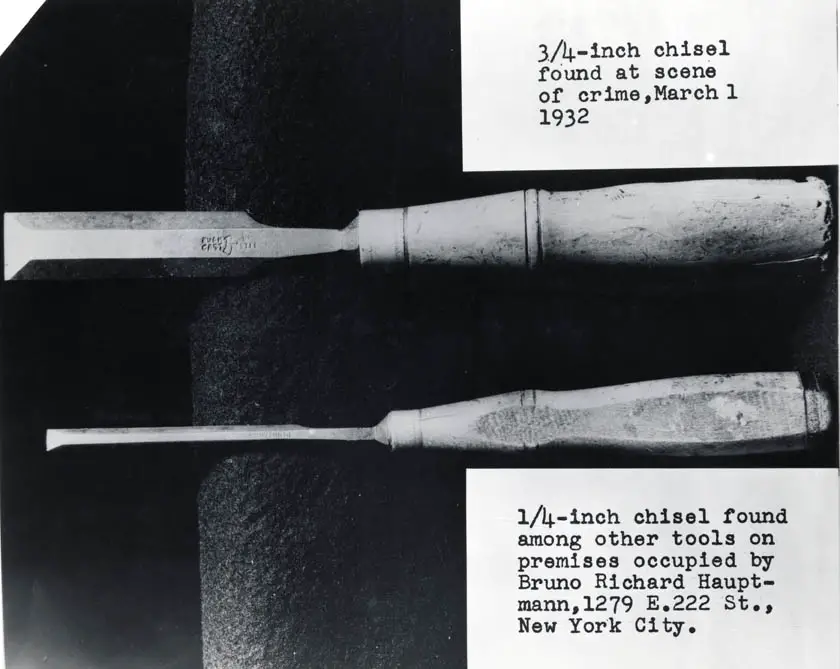
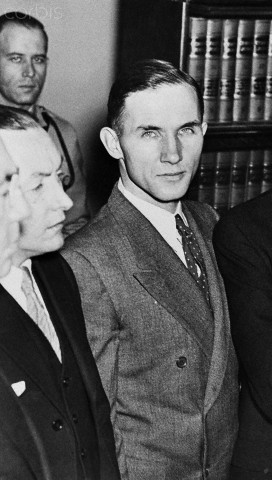
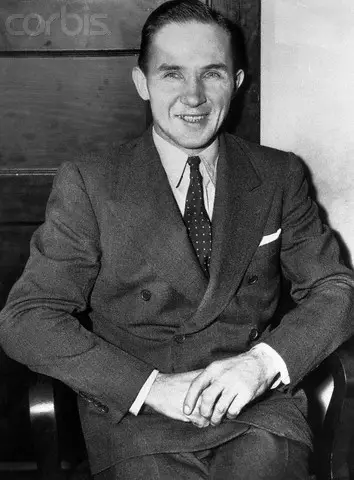
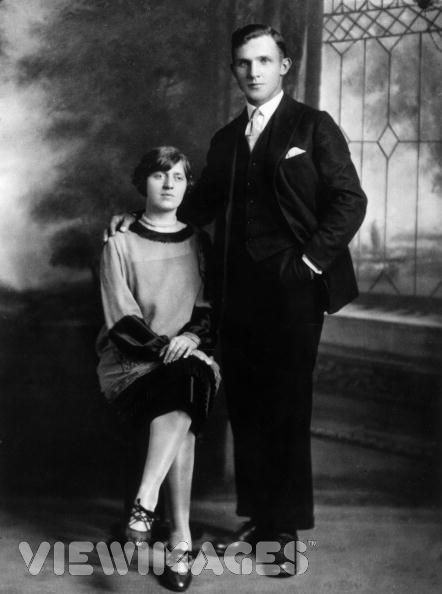
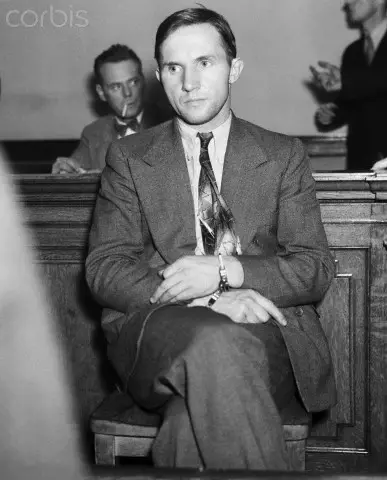
Bruno Richard Hauptmann was born in Kamenz, Germany, in 1899. After serving in the artillery during WWI, he had a criminal record in Germany for armed robbery and burglary. He entered the US illegally in 1923 and worked as a carpenter in the Bronx.
2. Crime Spree
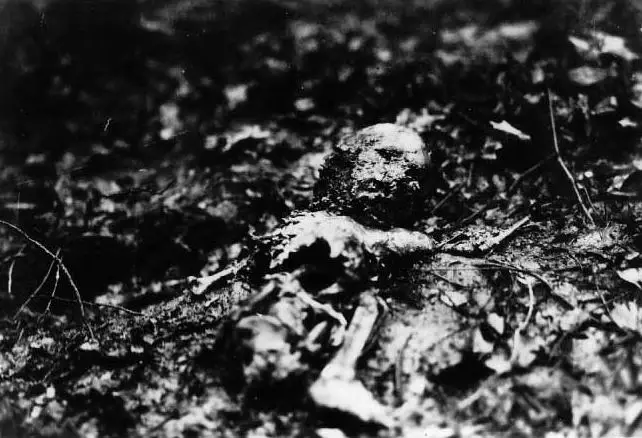
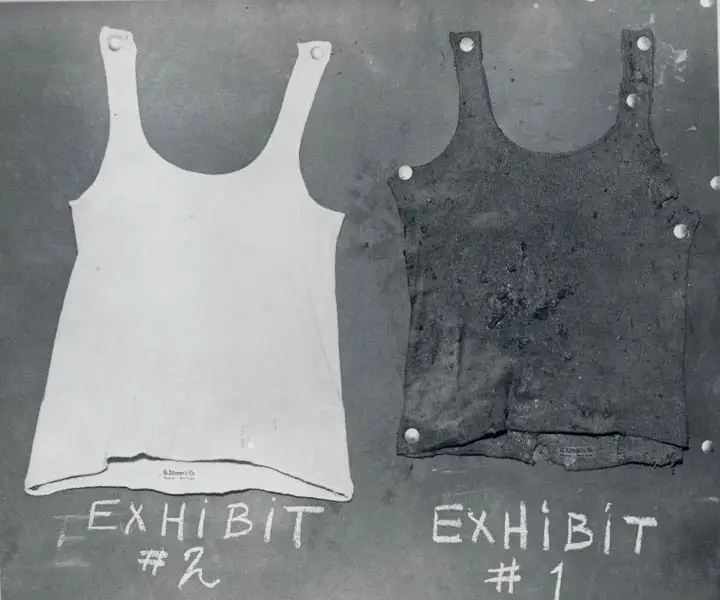
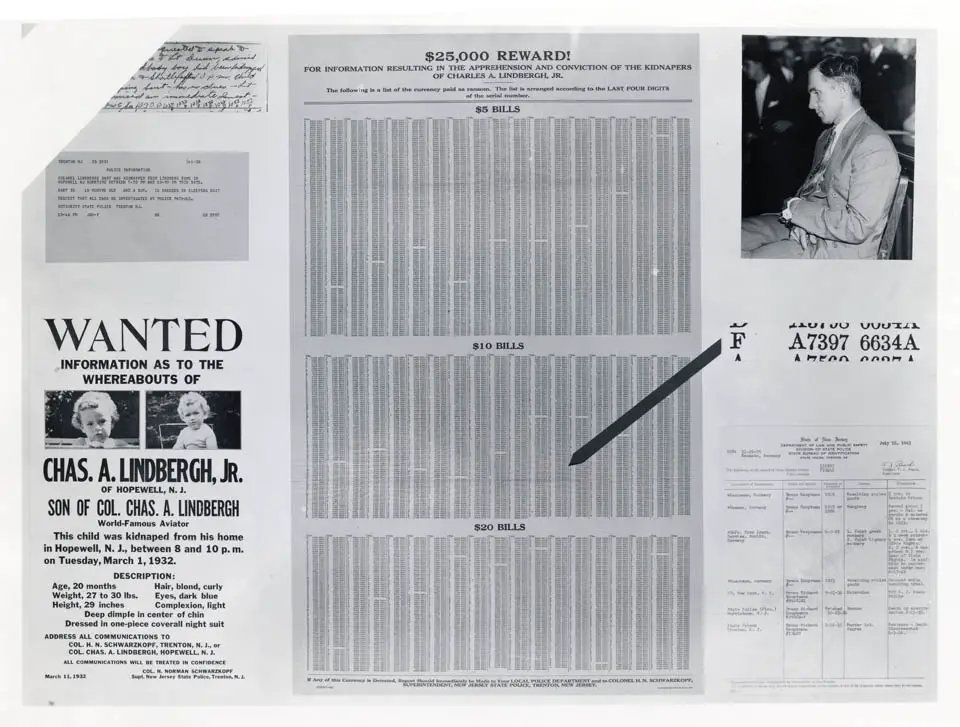
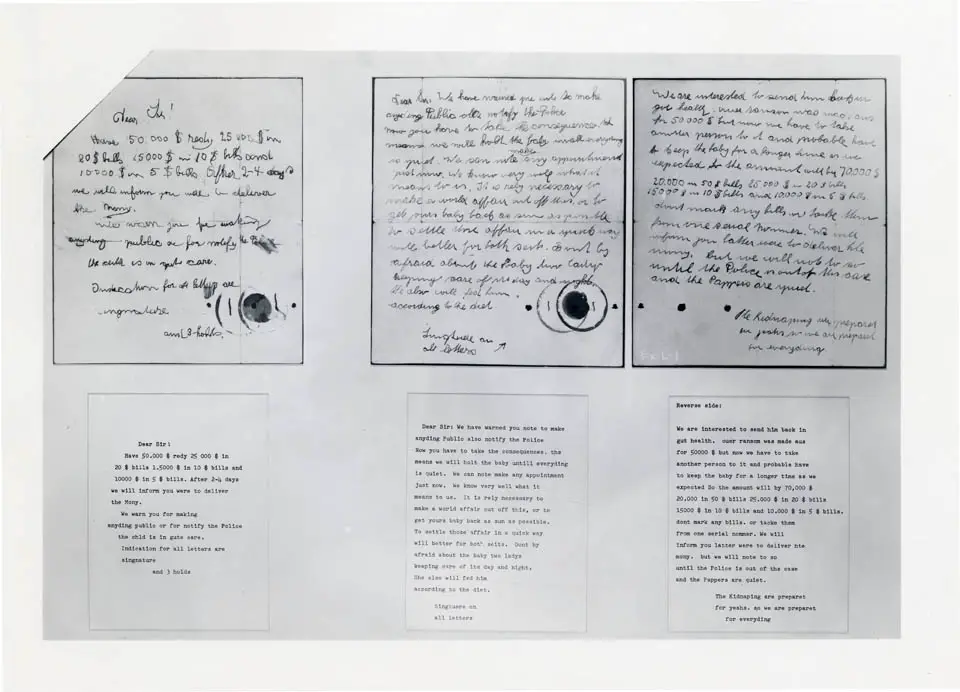
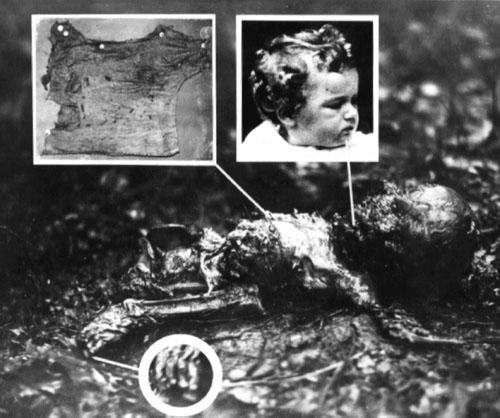
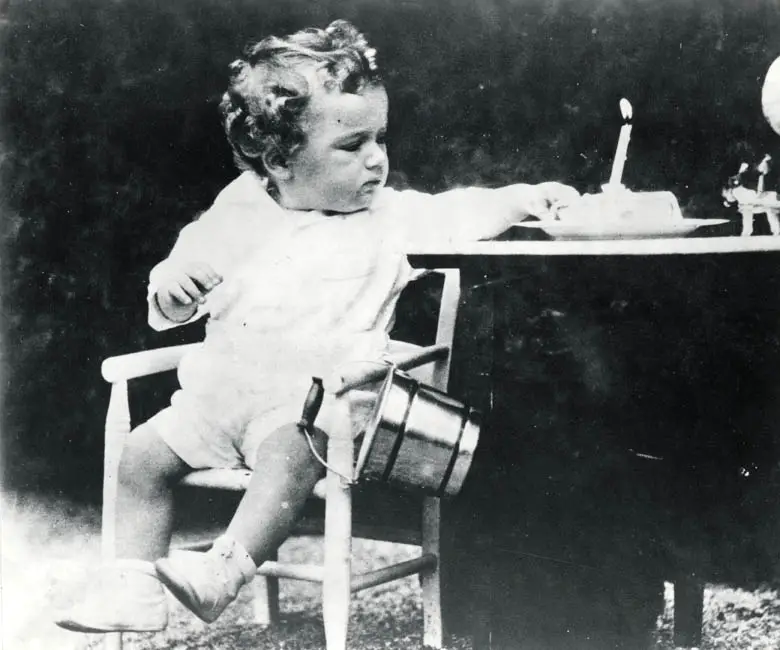
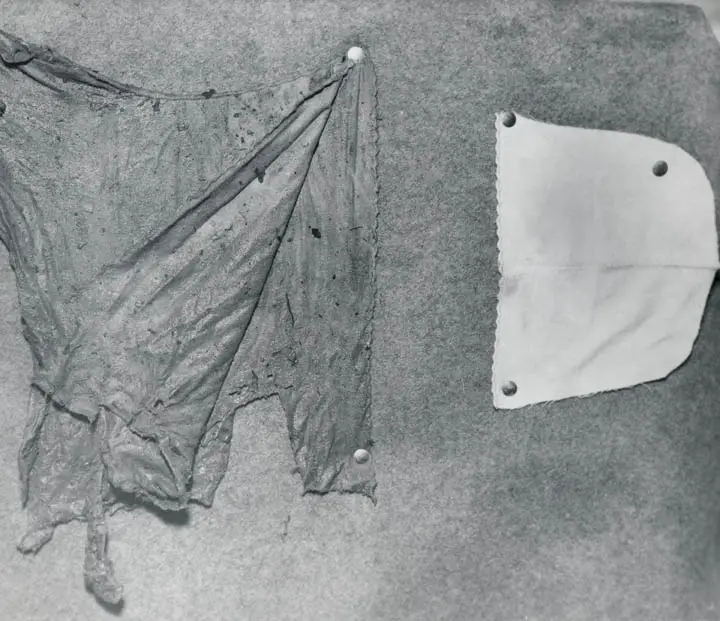
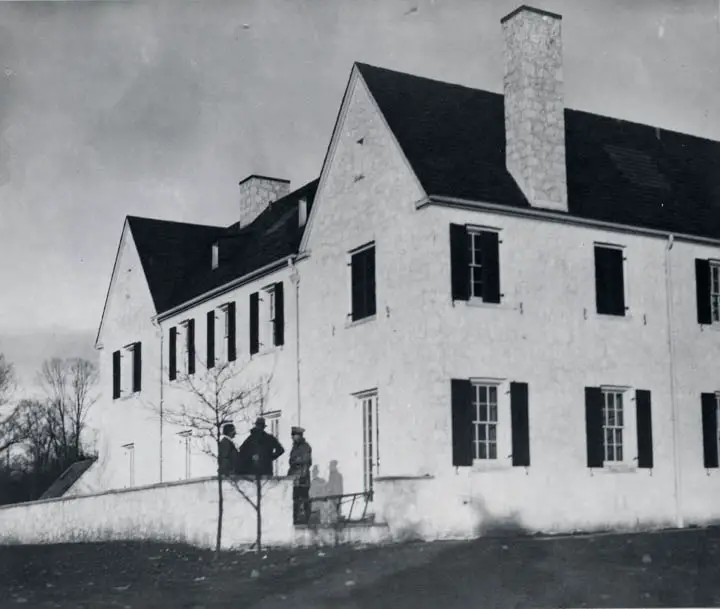
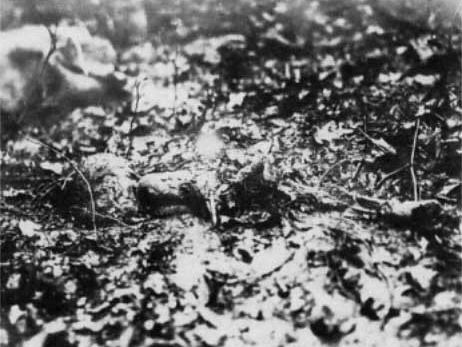
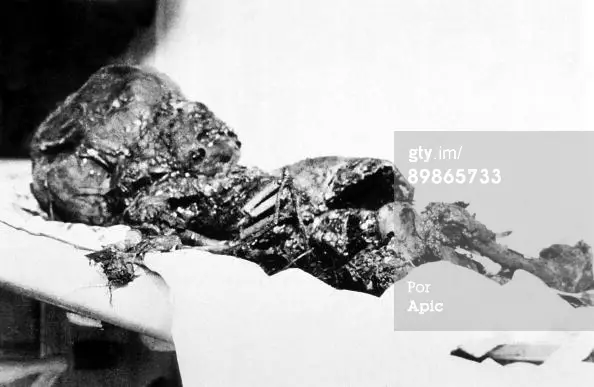
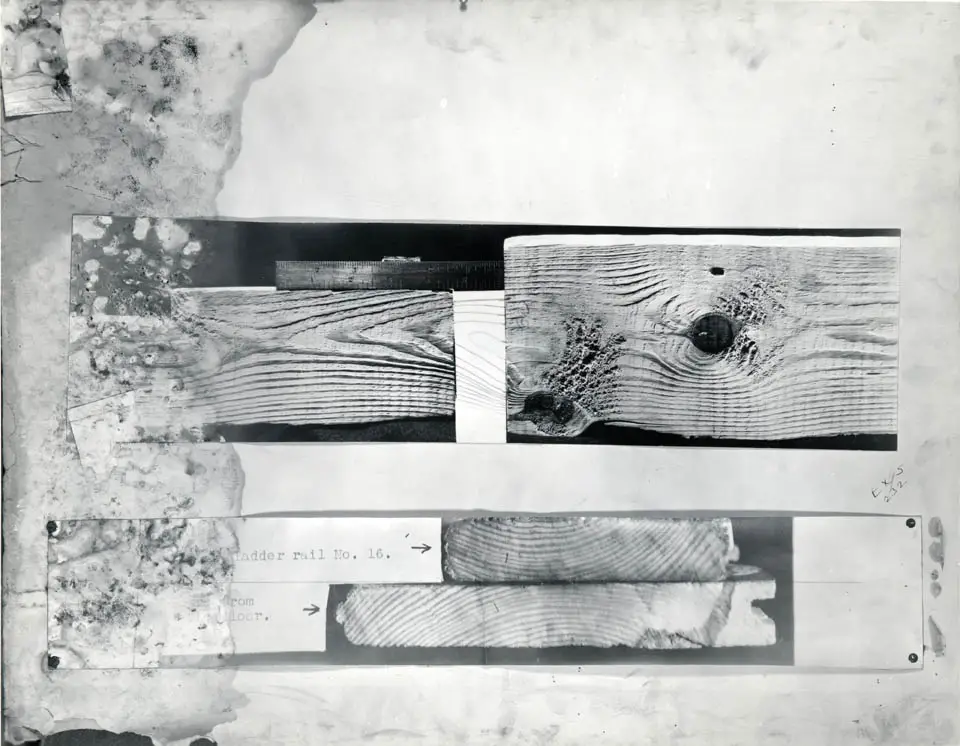
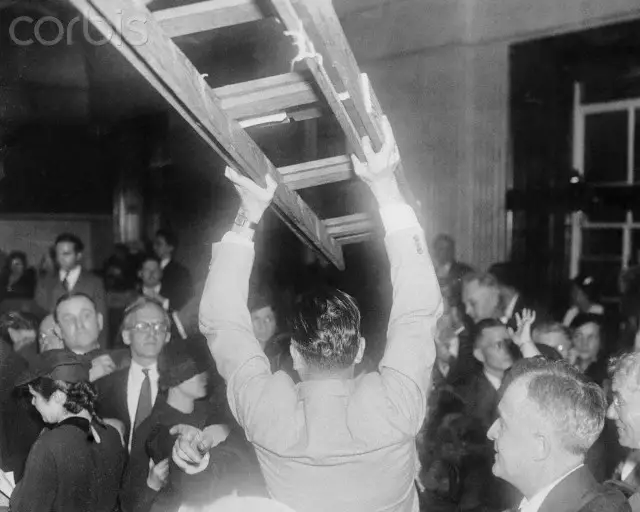
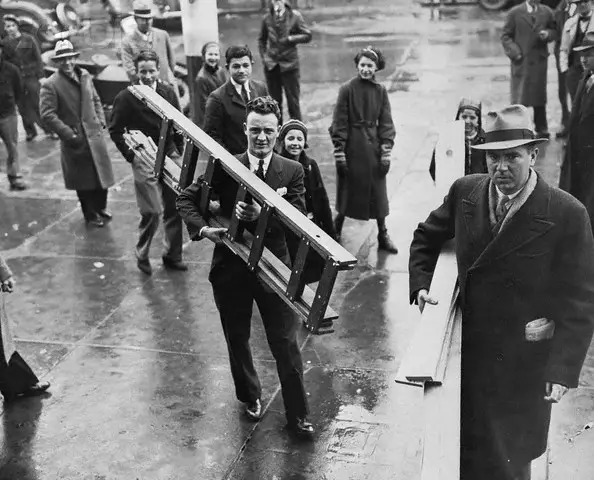
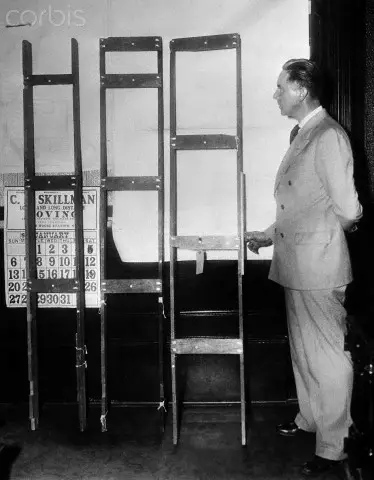
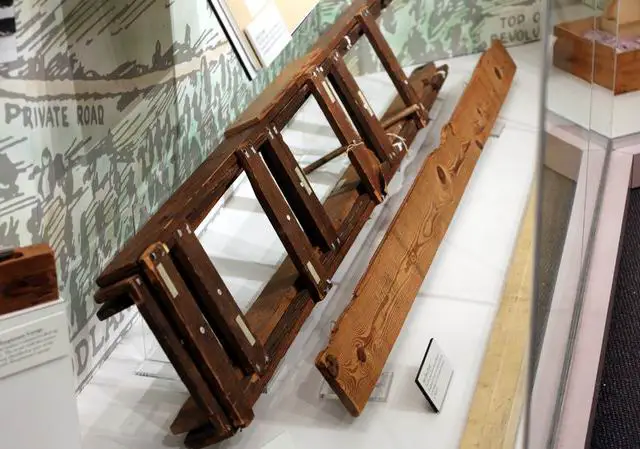
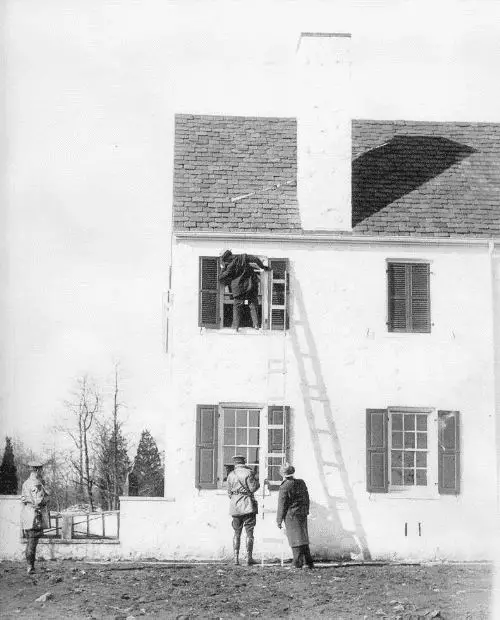
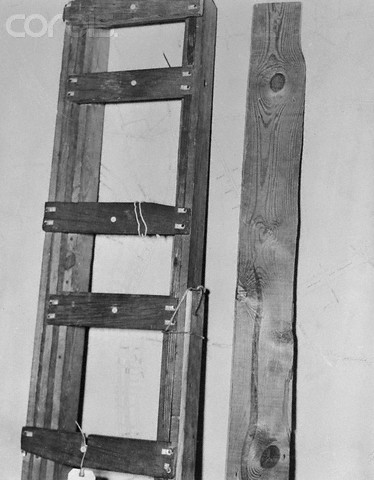
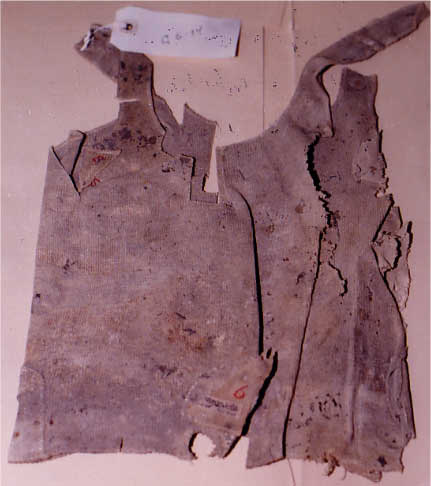
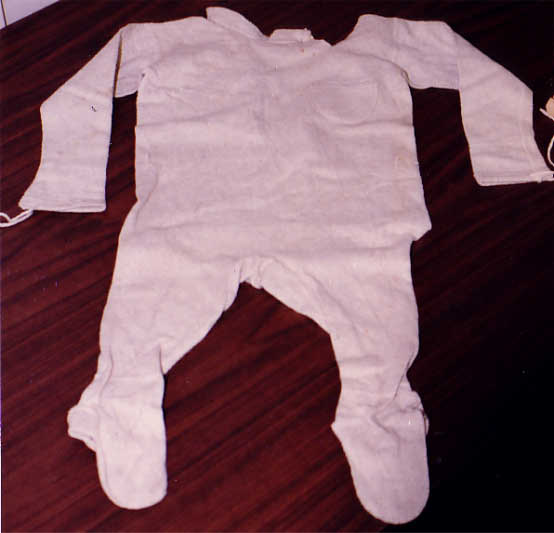
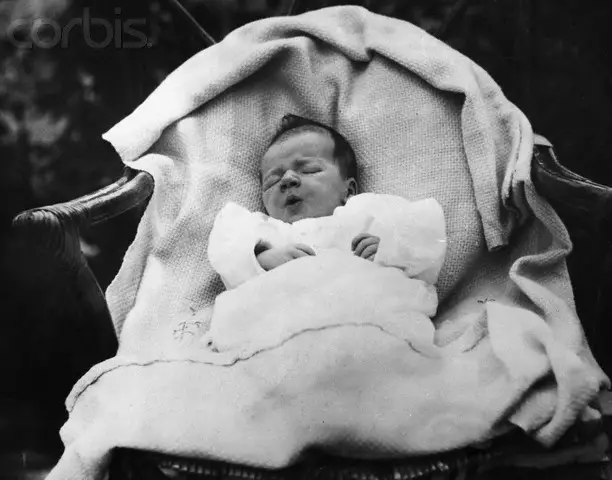
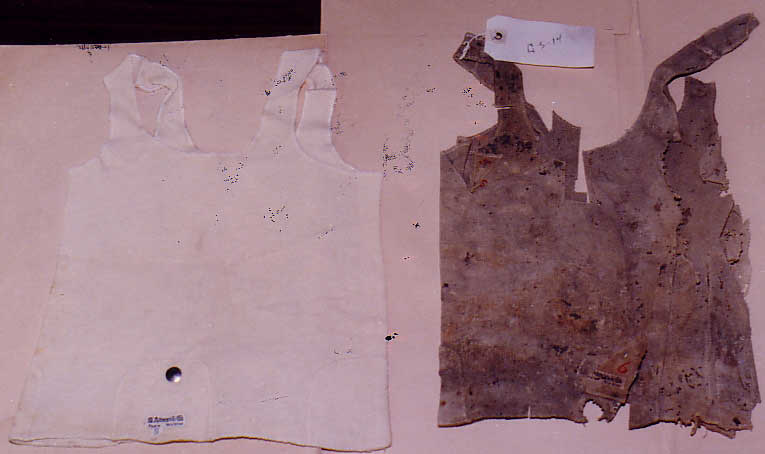
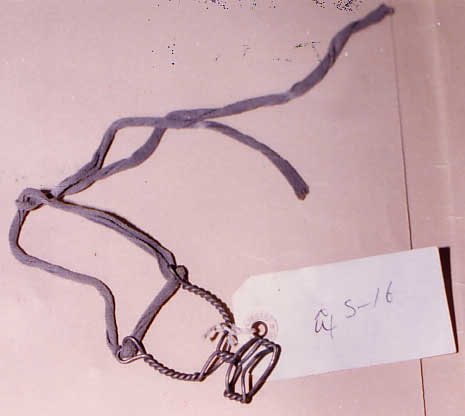
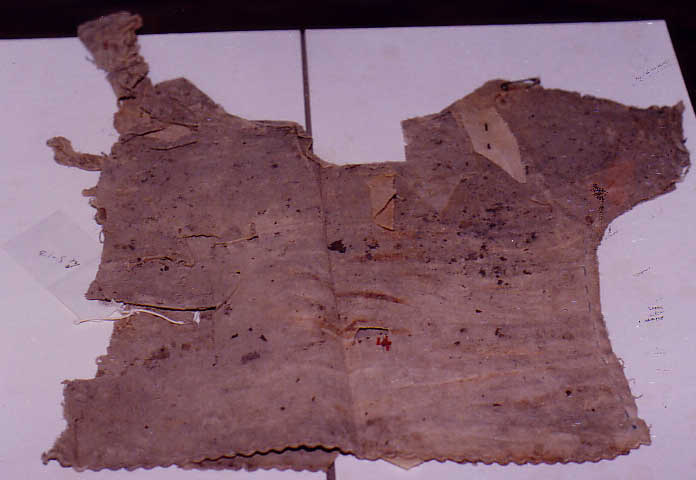
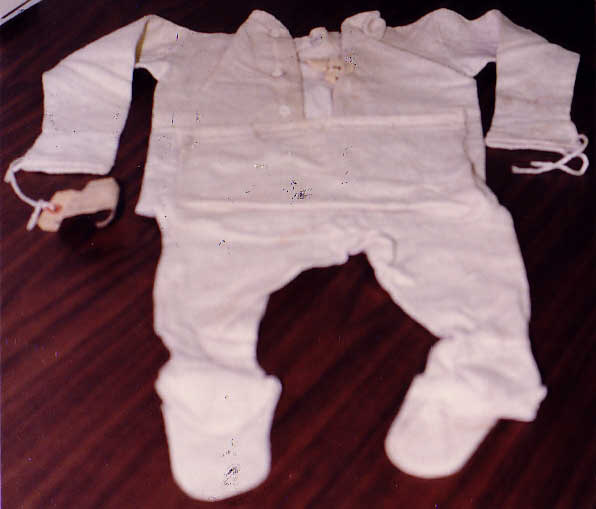
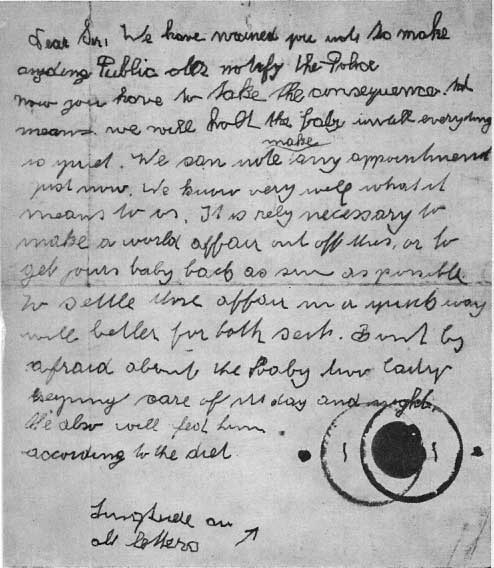
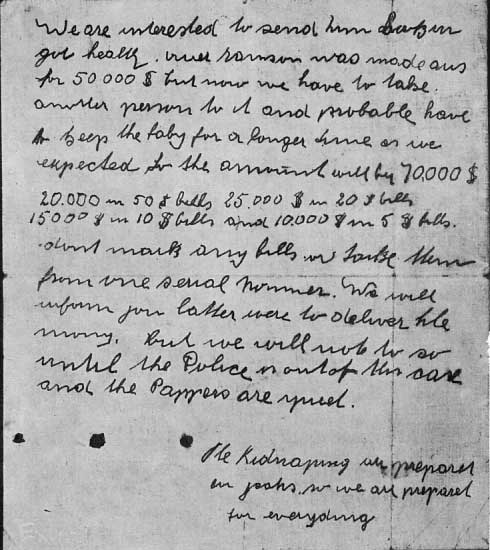
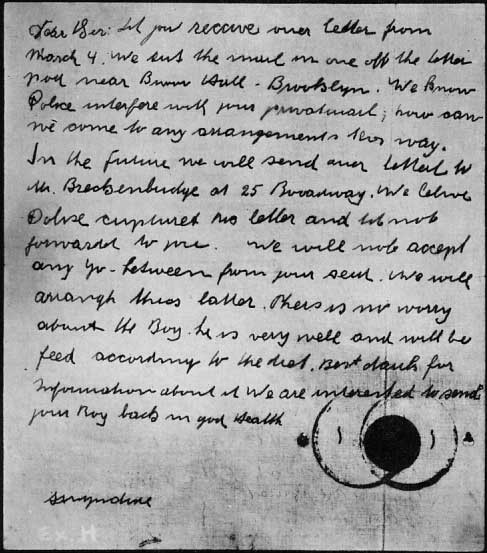
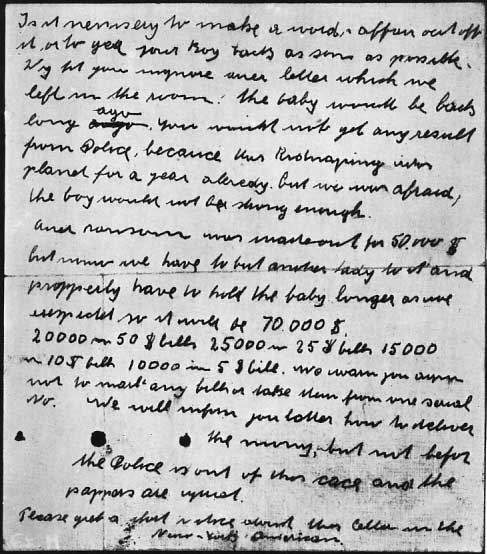
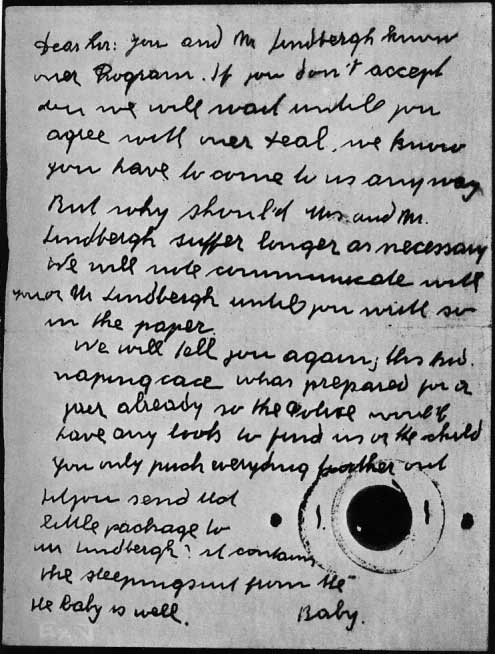
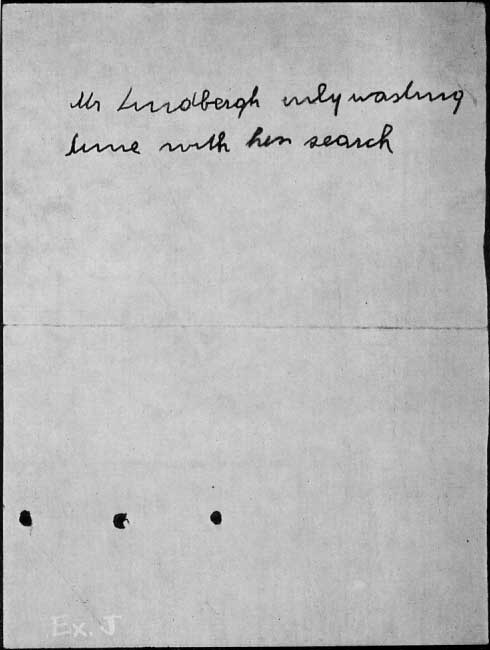
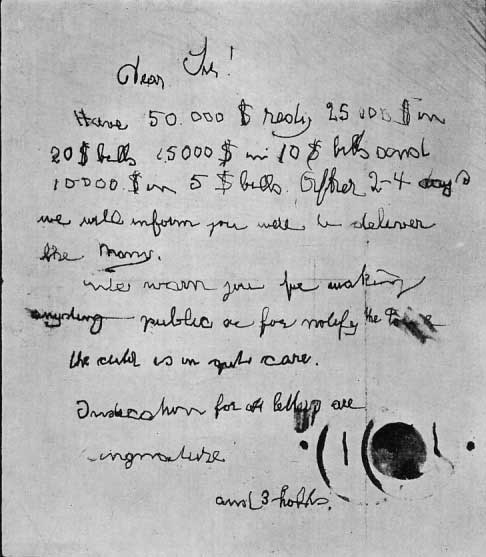
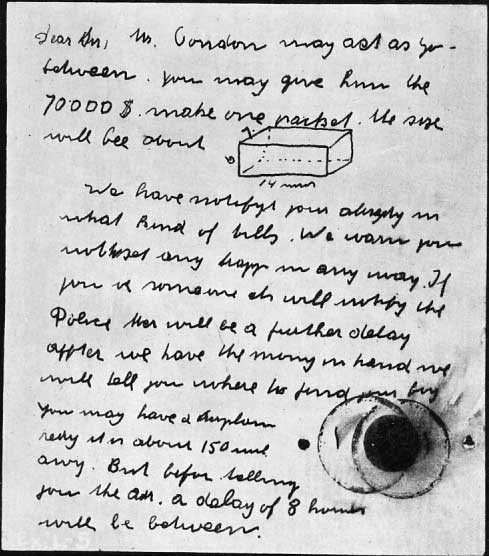
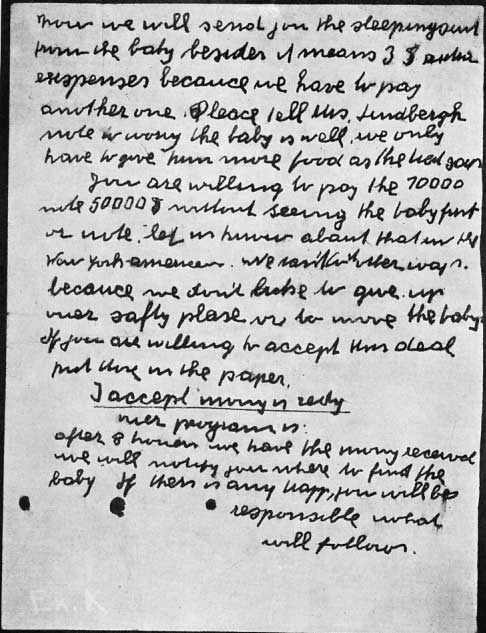
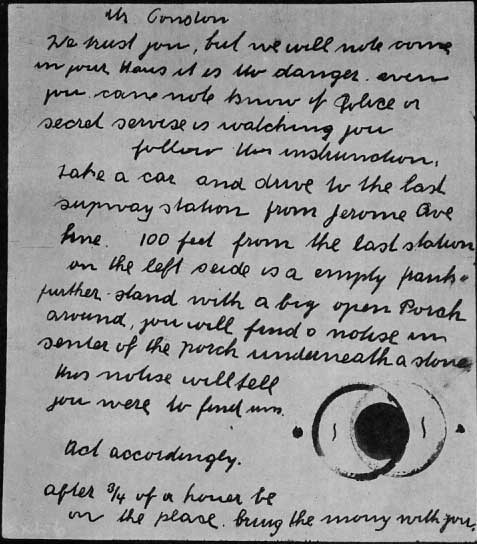
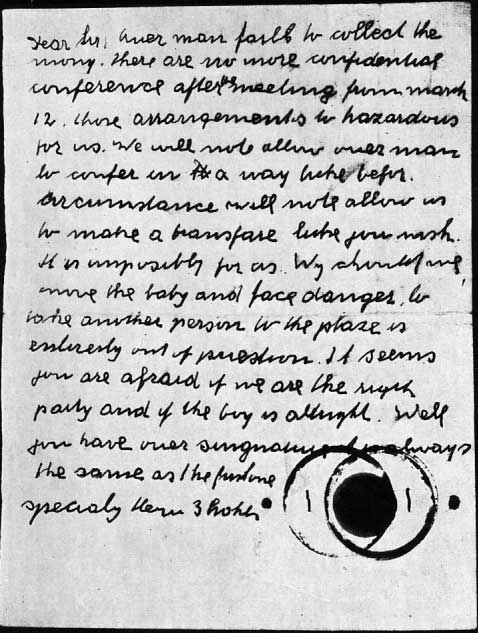
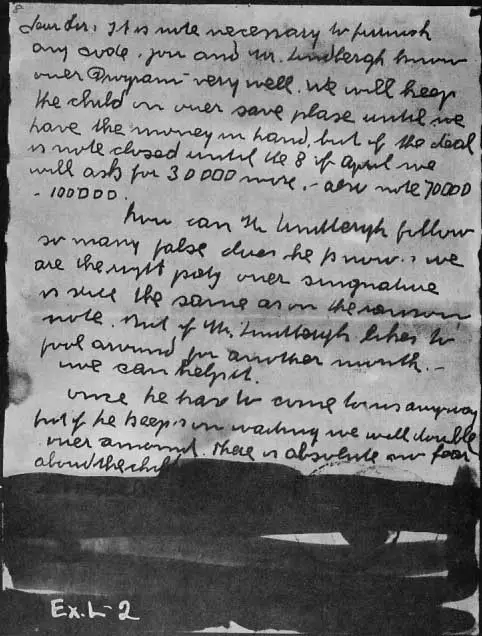
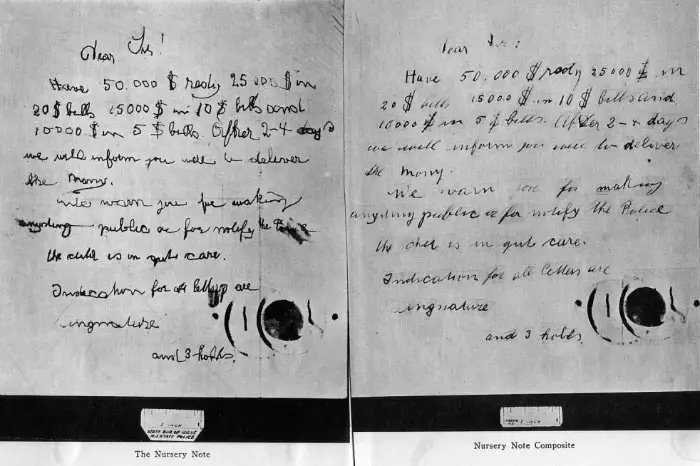
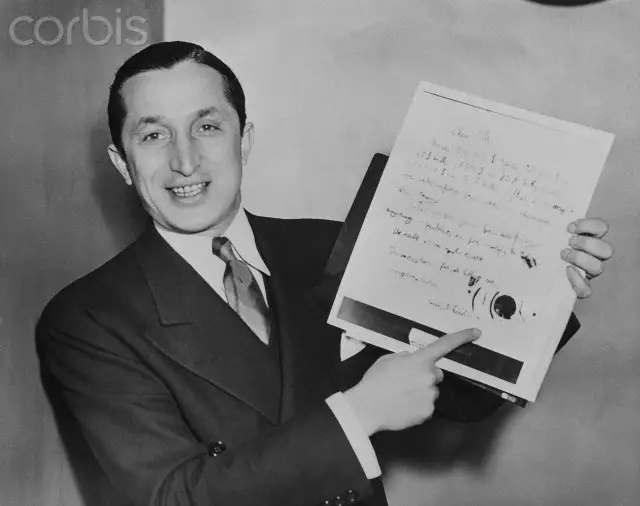
On March 1, 1932, Charles Augustus Lindbergh Jr. was abducted from his nursery. A ransom note and a handmade ladder were left at the scene. Despite a $50,000 ransom payment, the child was found dead on May 12, 1932, from a head injury.
3. Investigation and Arrest
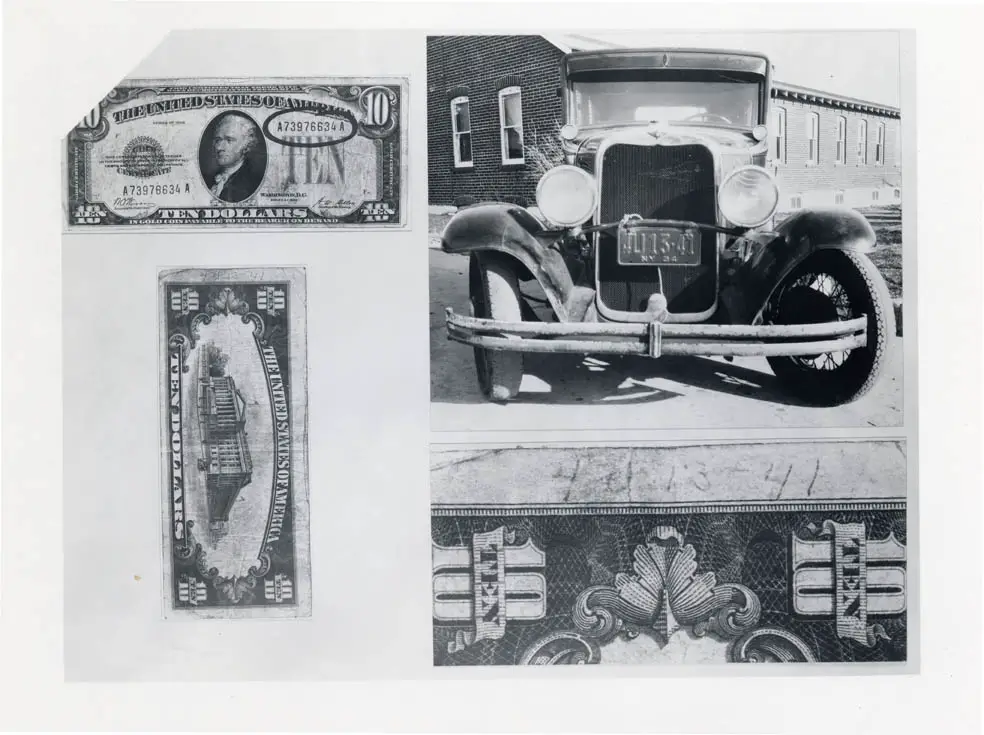
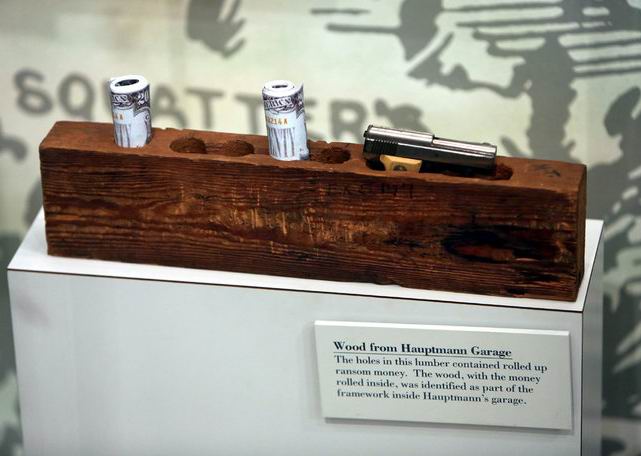
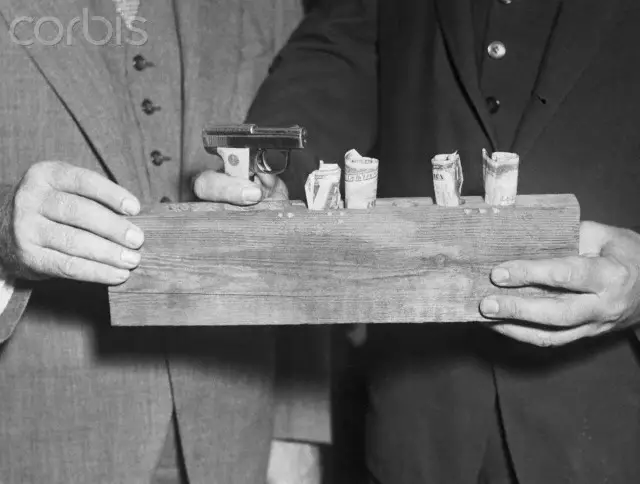
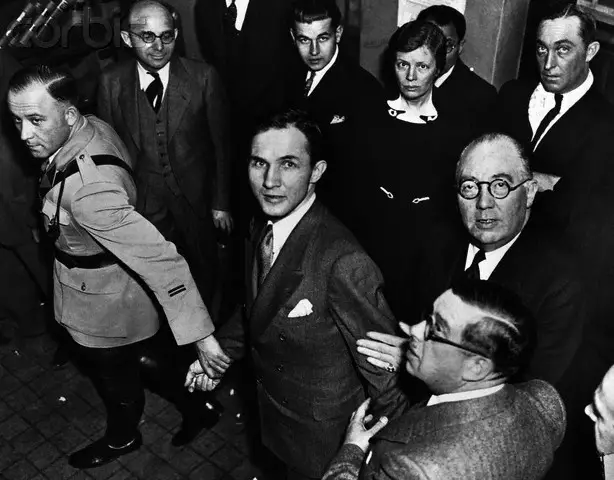
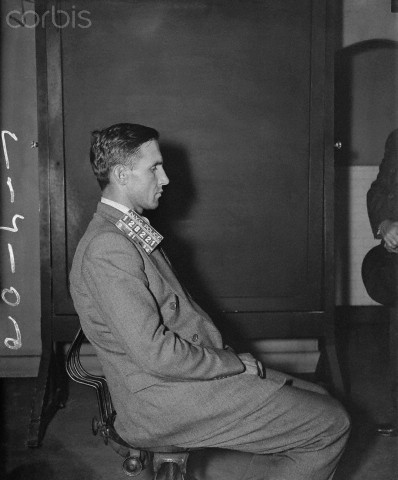
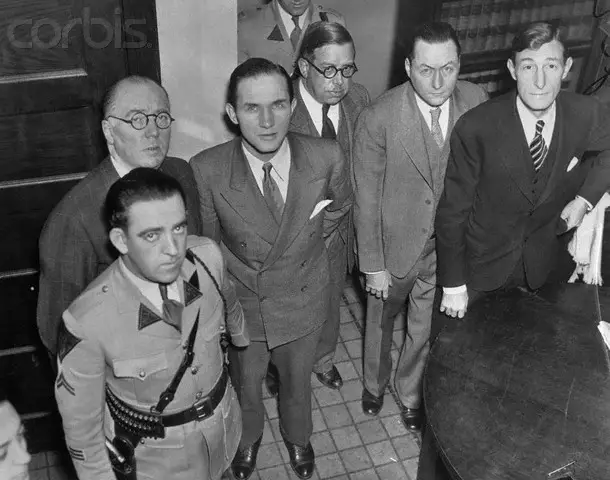
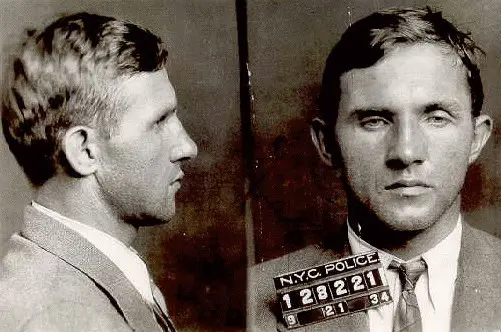
The investigation tracked ransom gold certificates to Hauptmann. In September 1934, he was arrested after paying for gas with a marked bill. Over $13,000 of the ransom was found in his garage.
4. Legal Proceedings
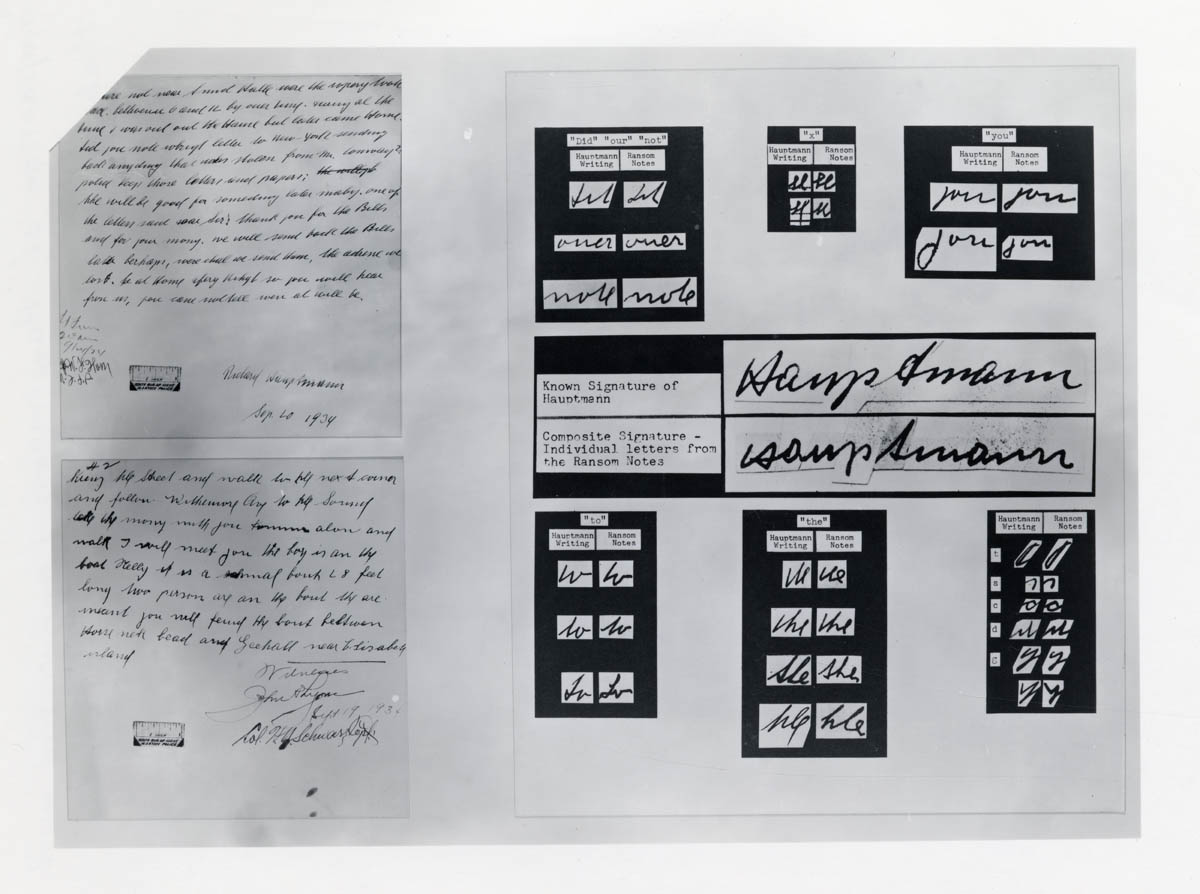
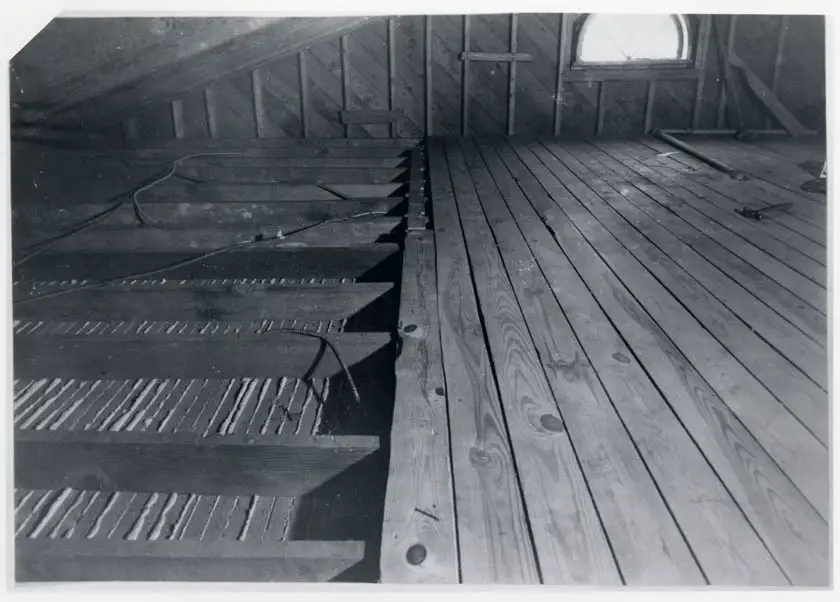
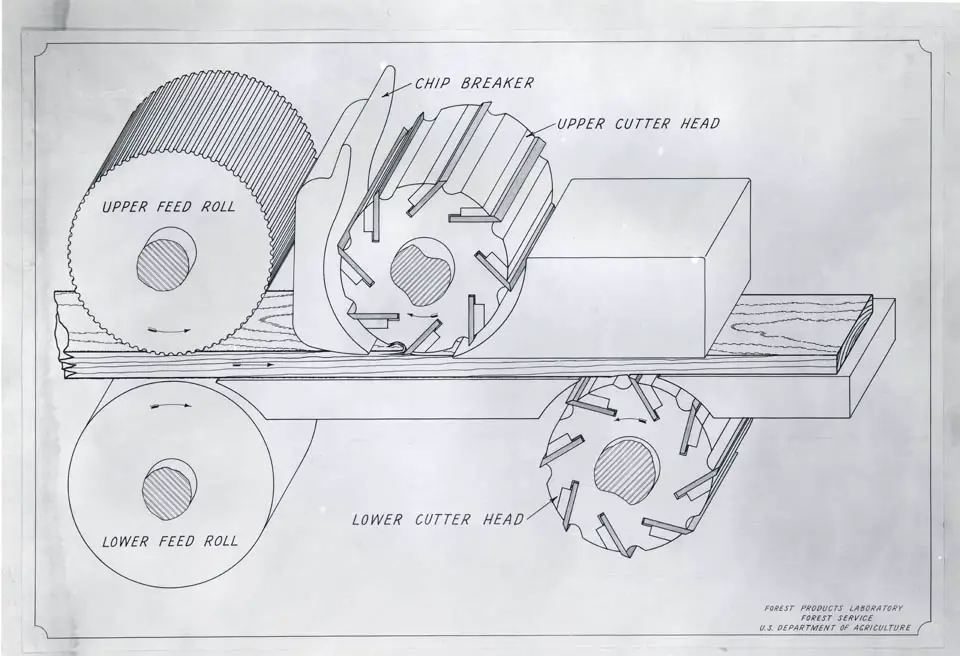
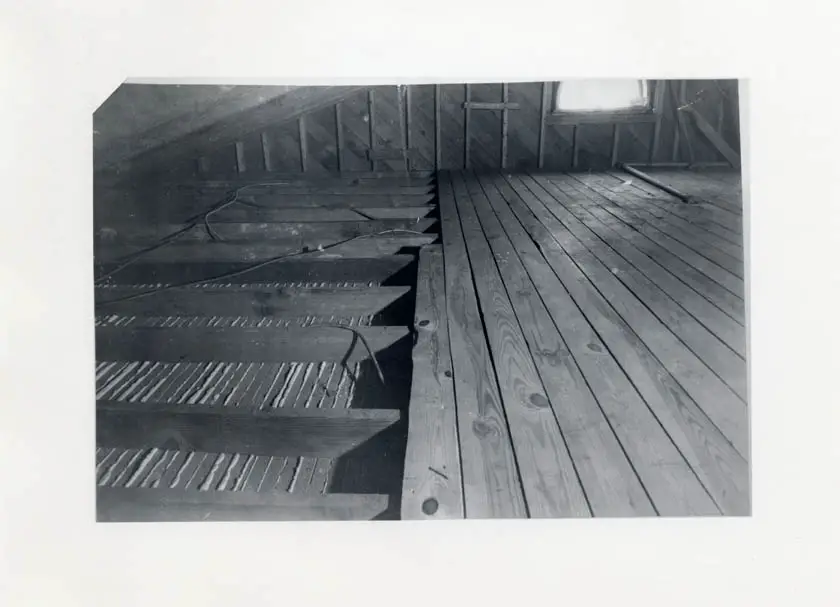
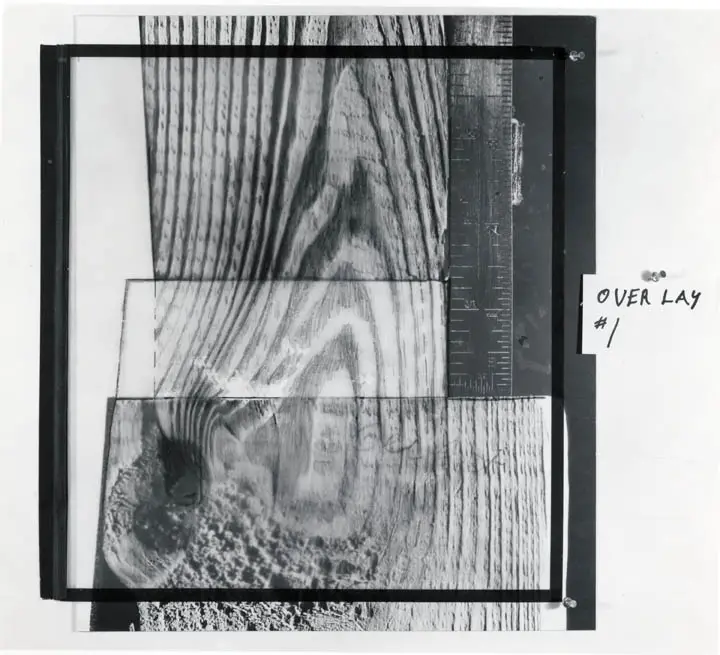
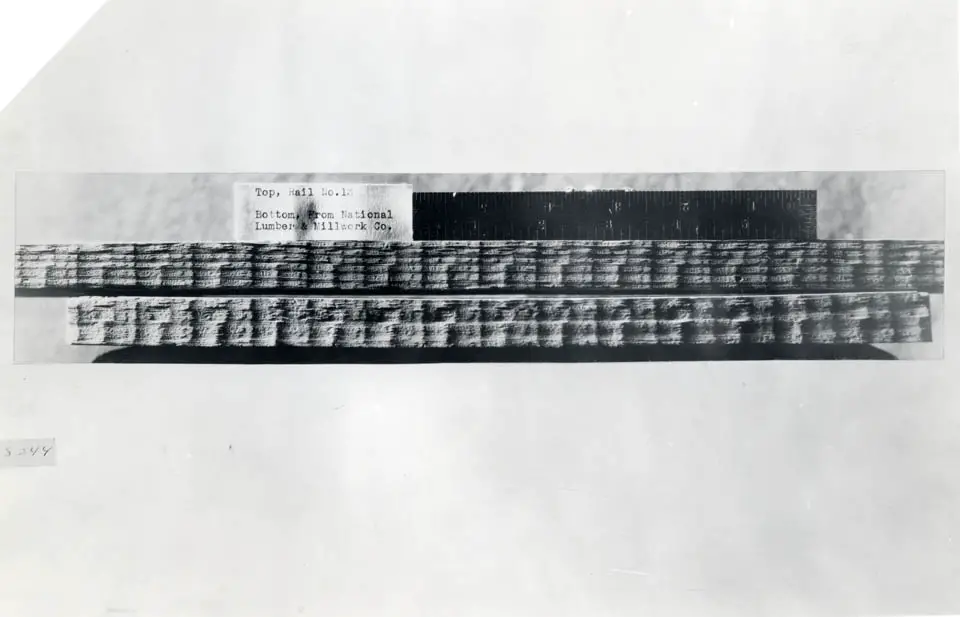
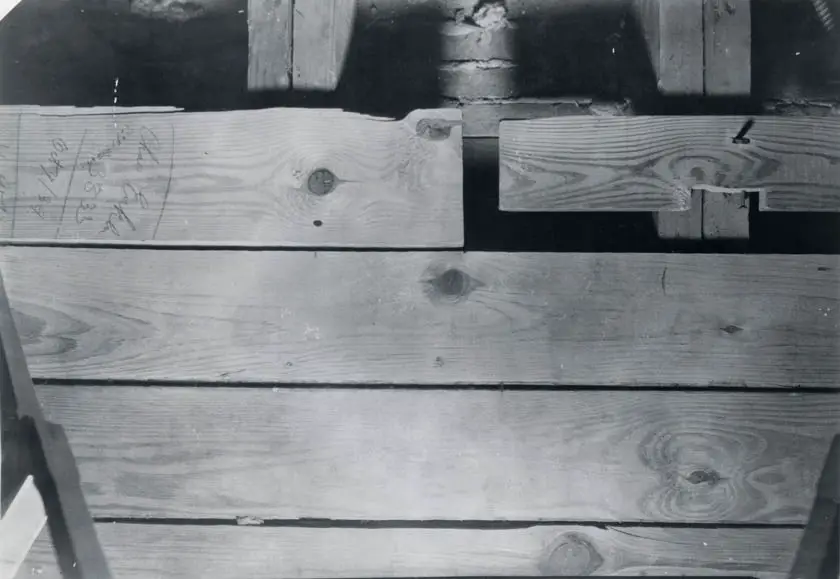
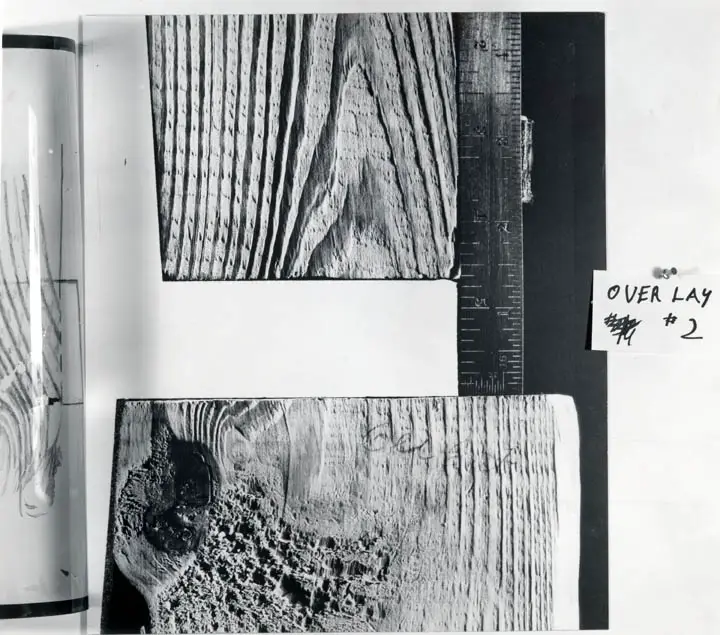
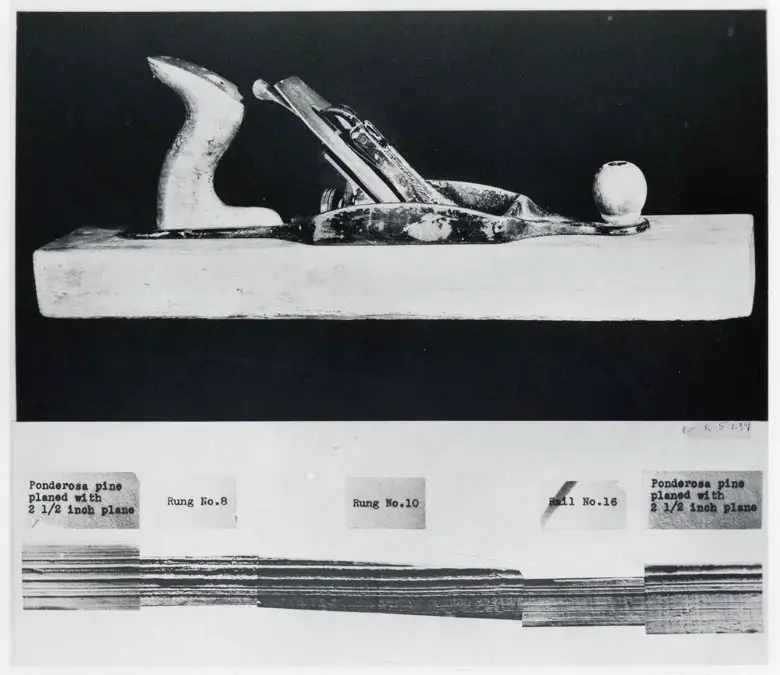
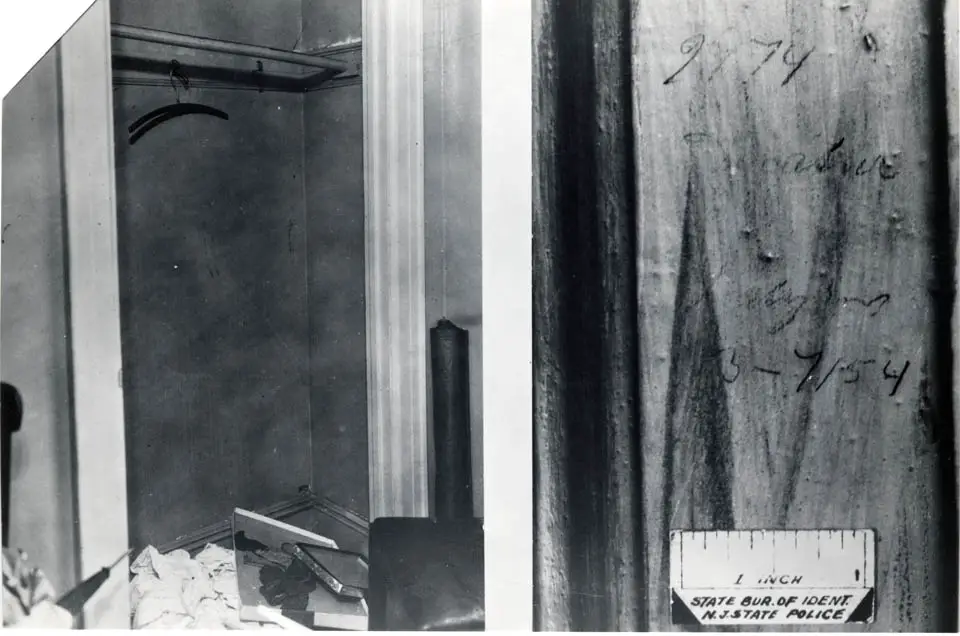
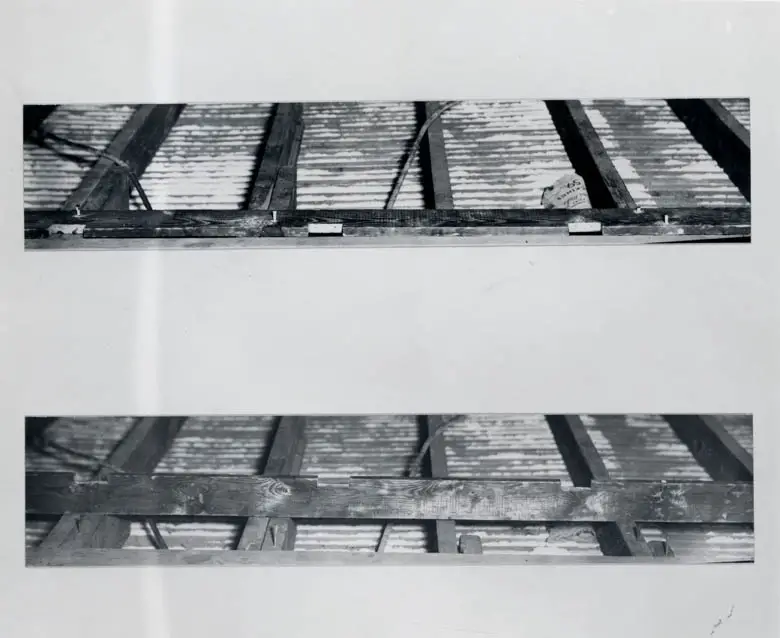
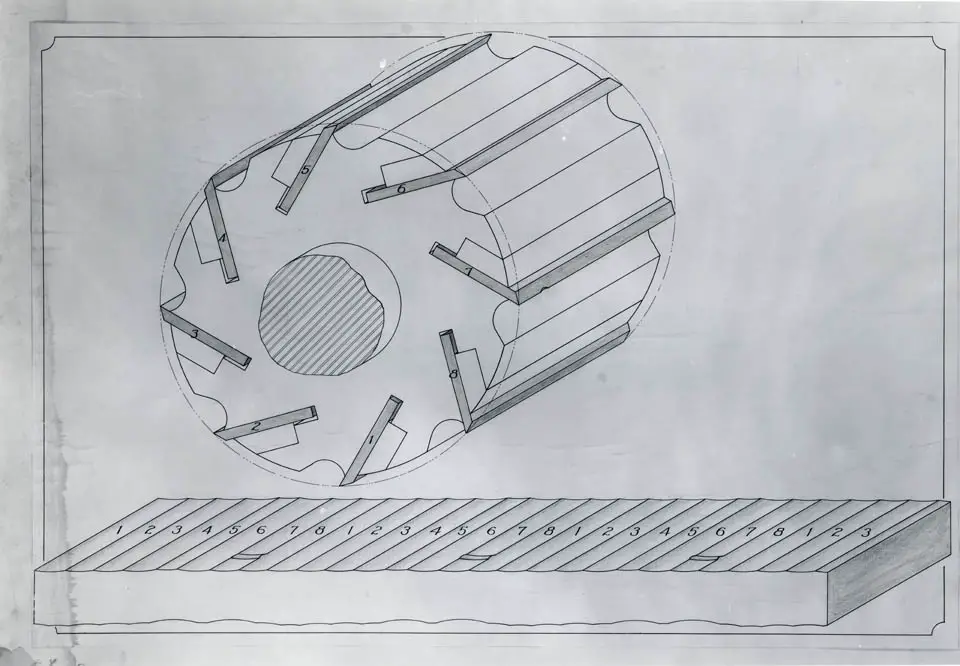
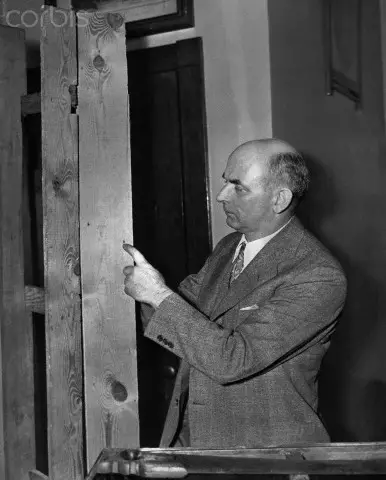
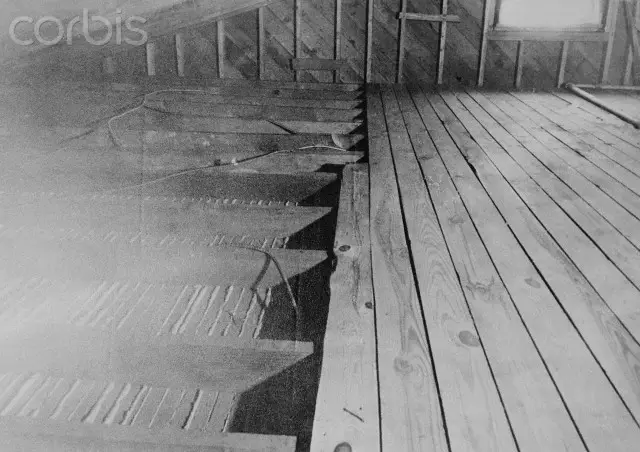
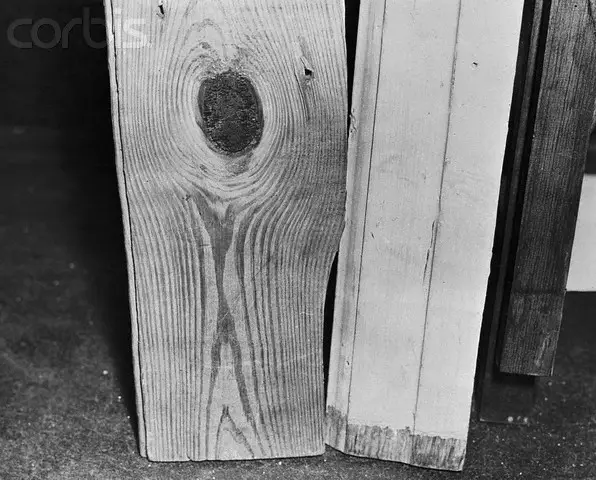
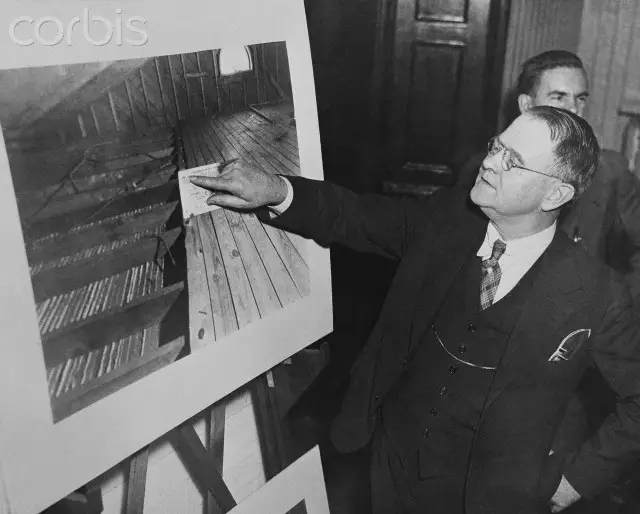
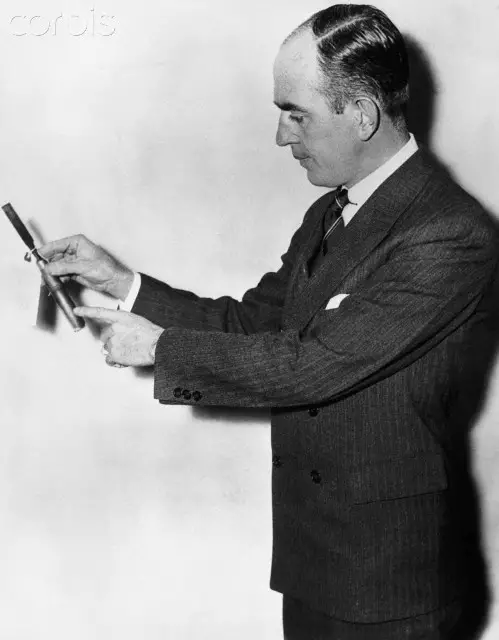
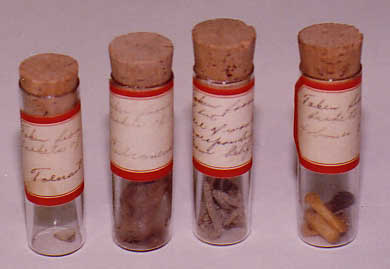
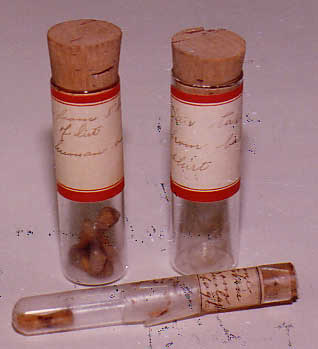
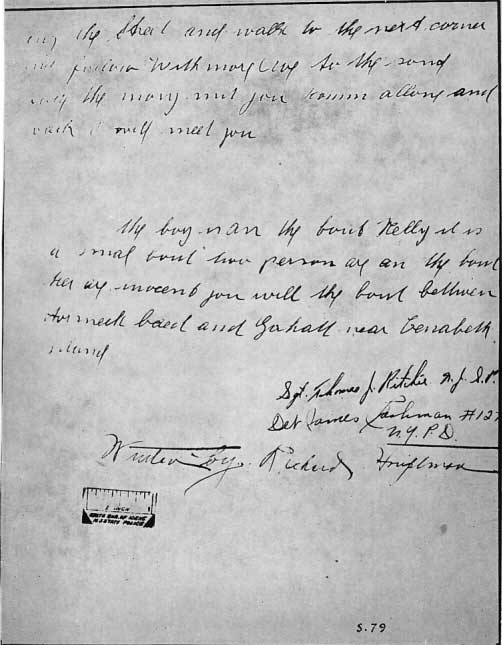
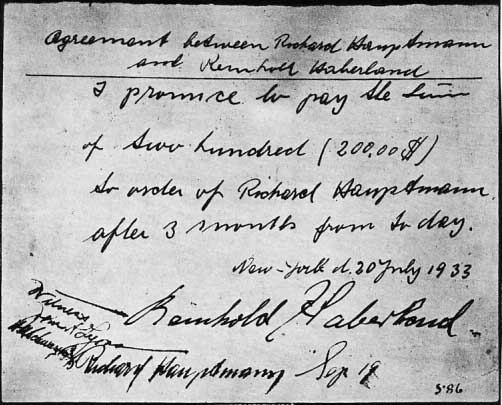
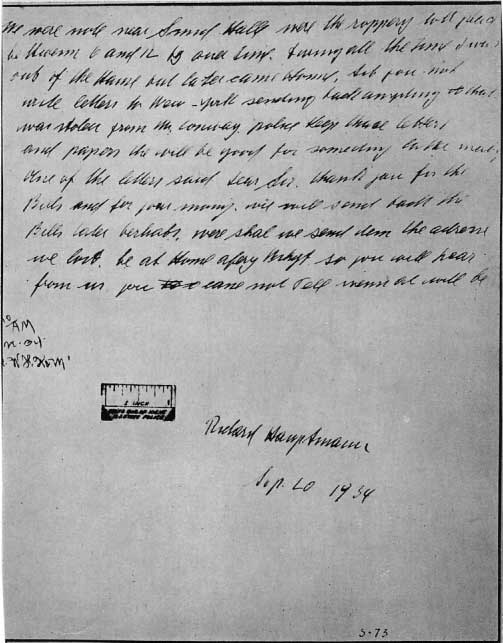
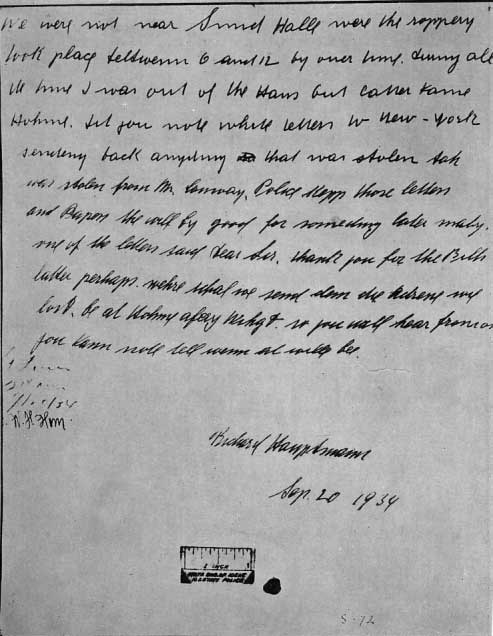
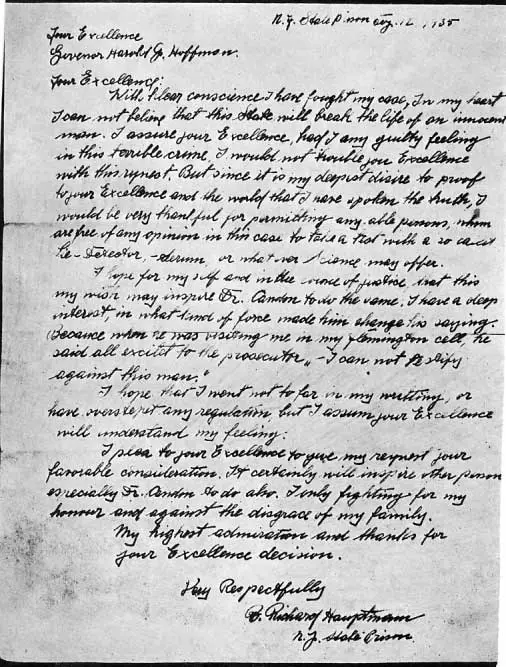
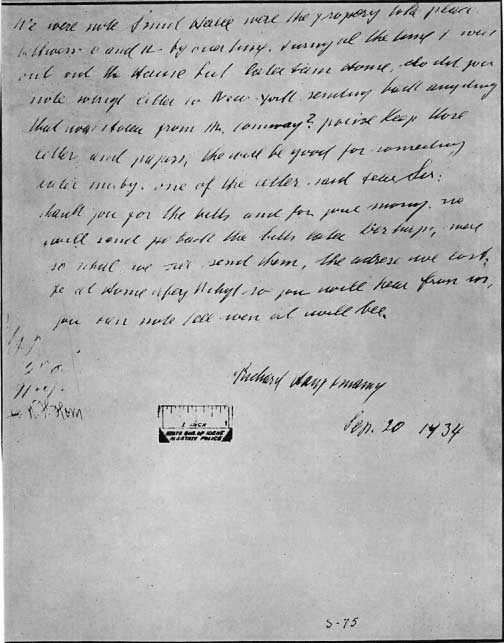
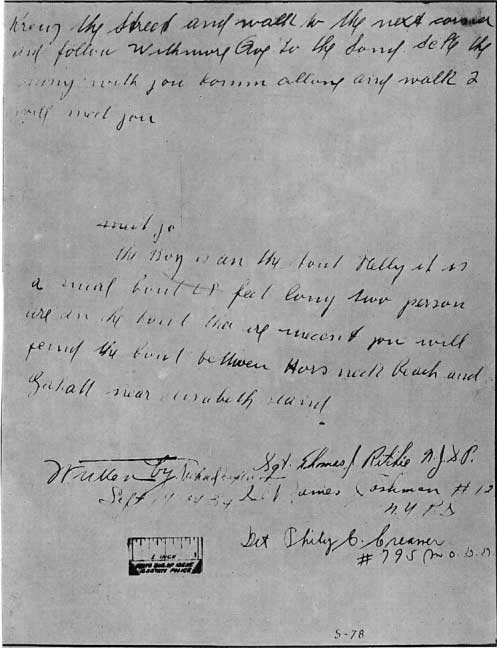
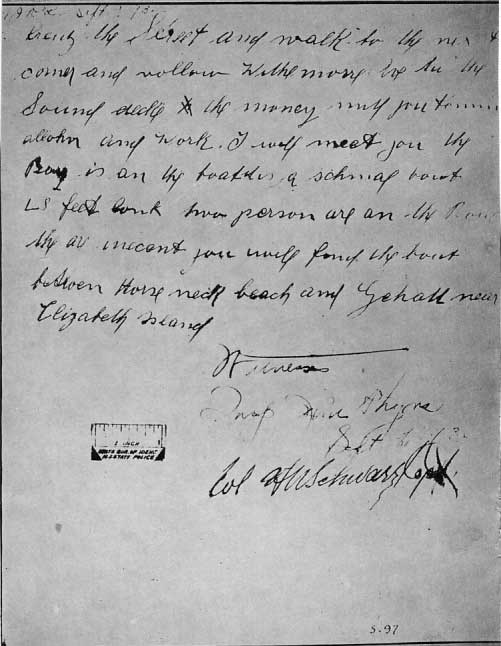
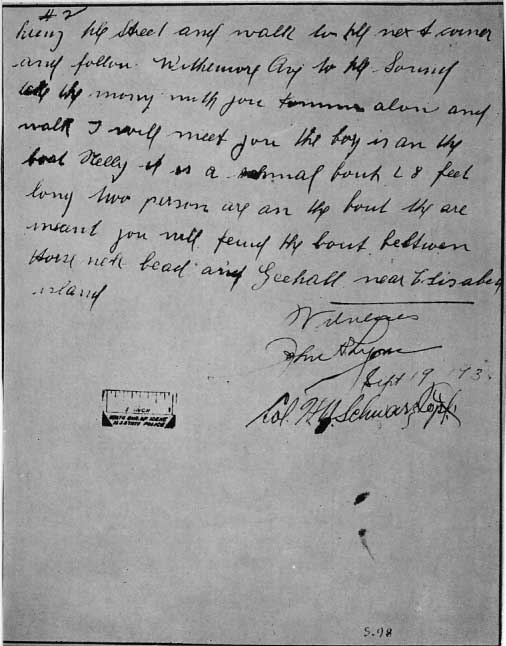
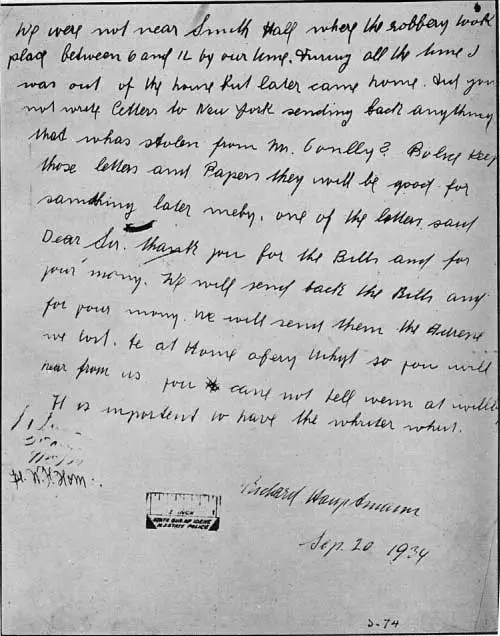
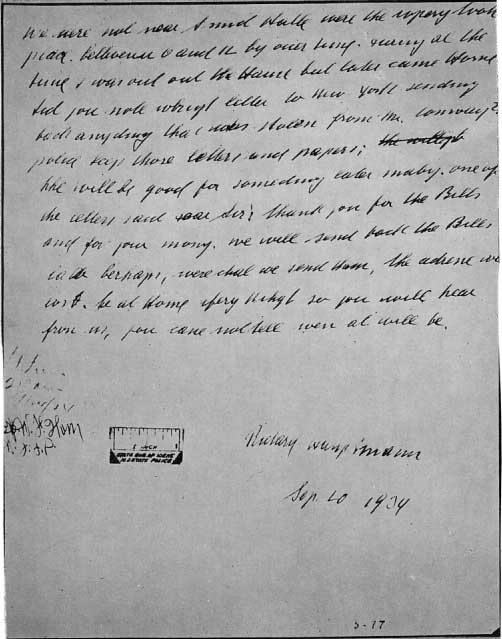
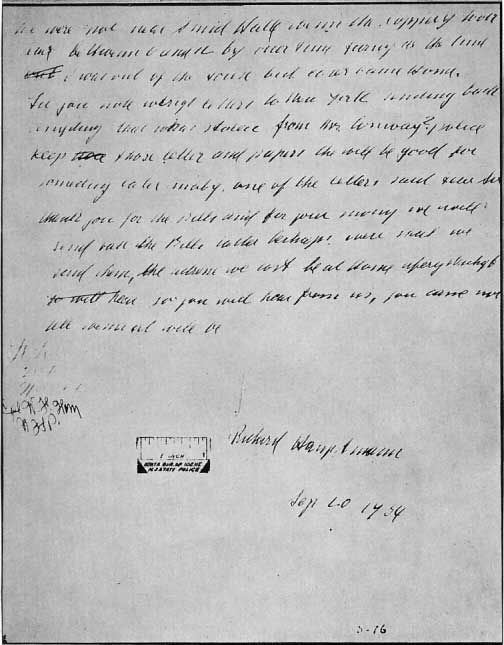
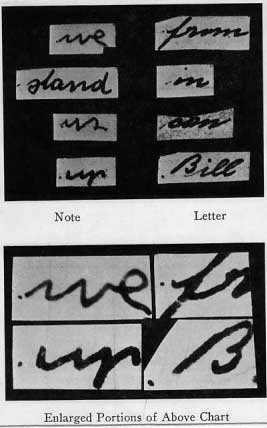
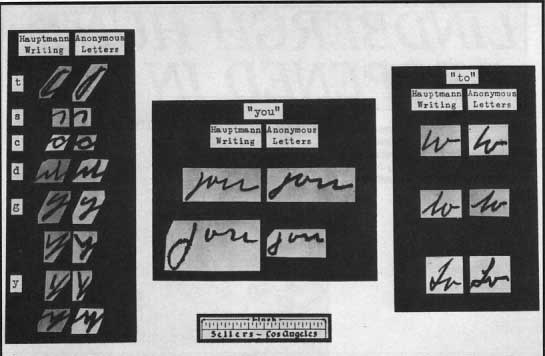
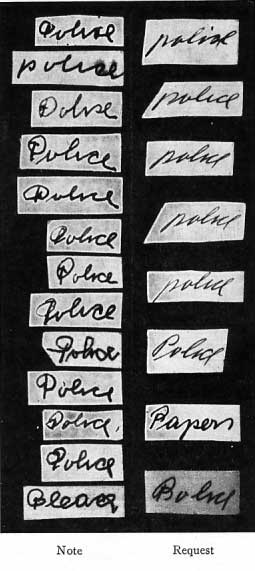
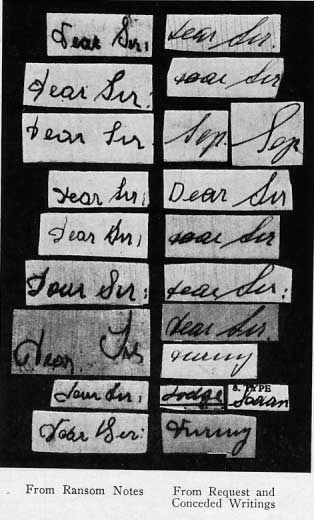
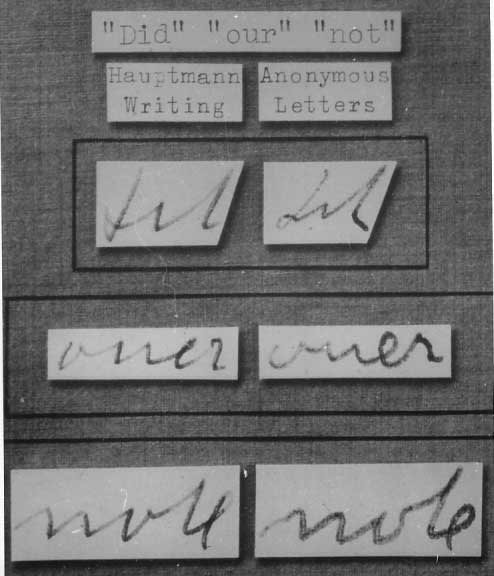
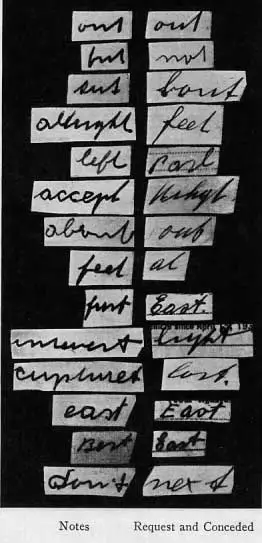
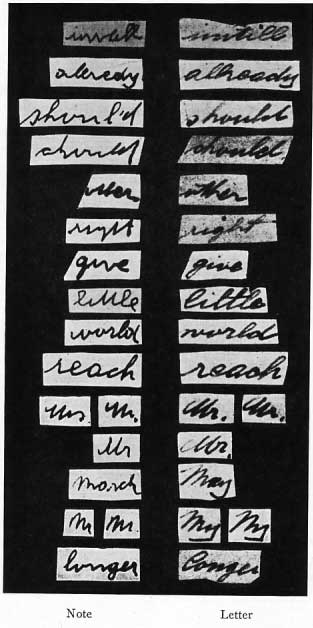
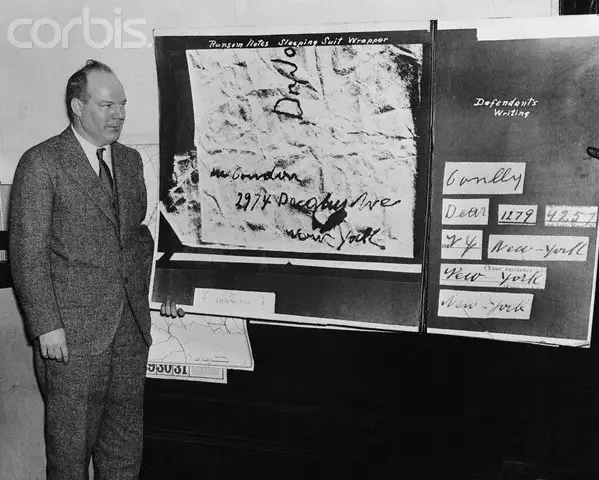
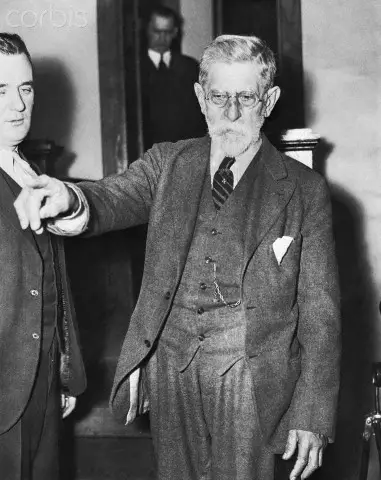
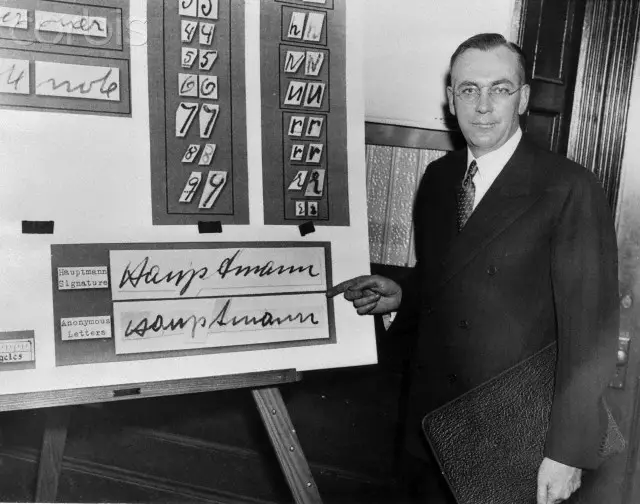
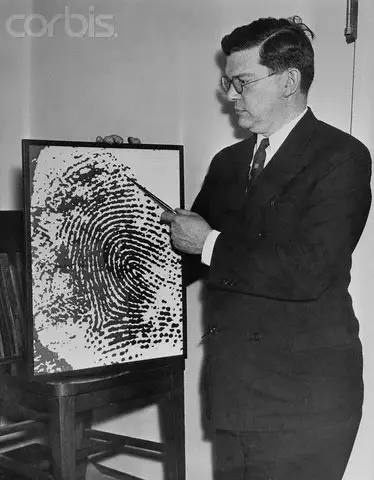
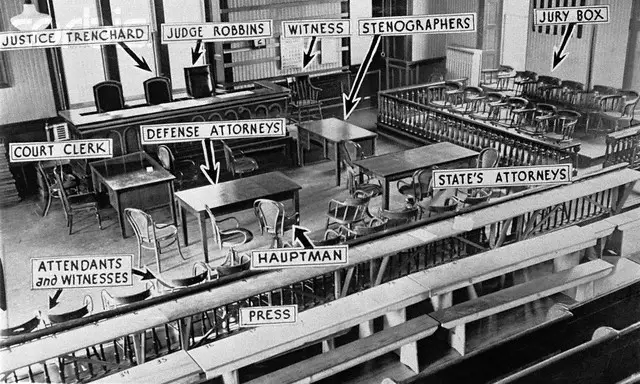
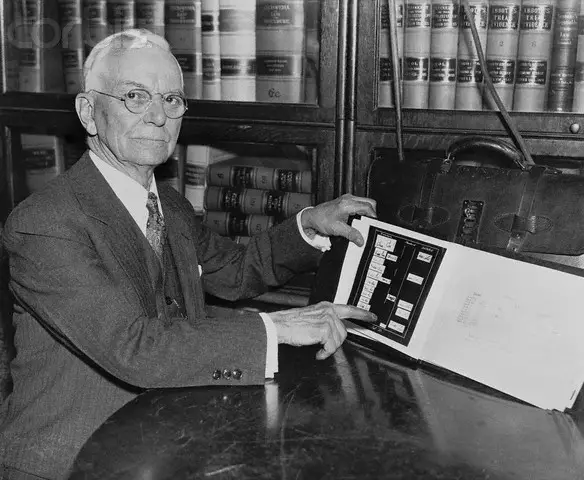
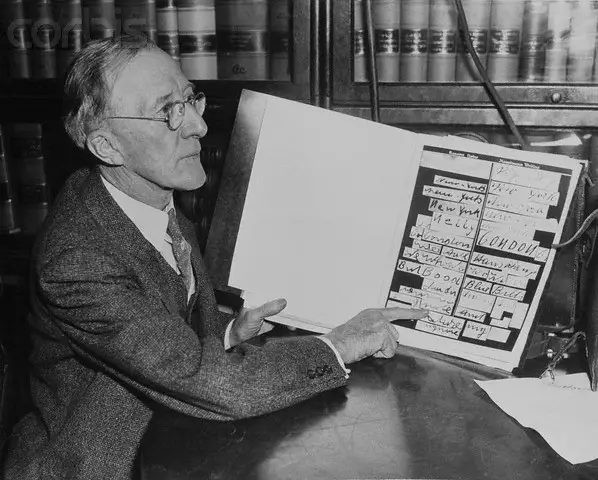
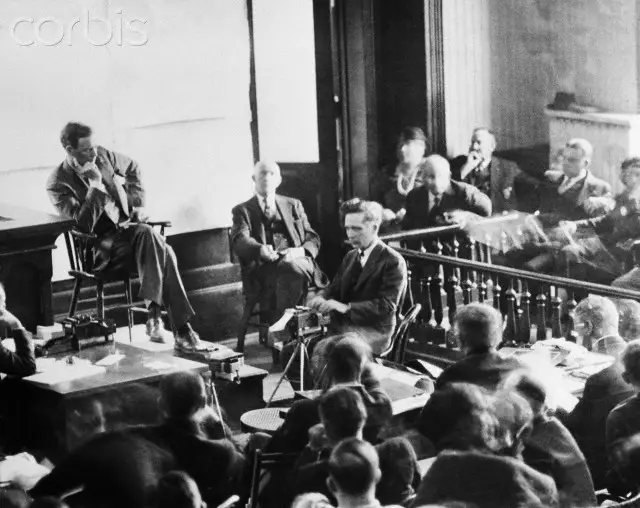
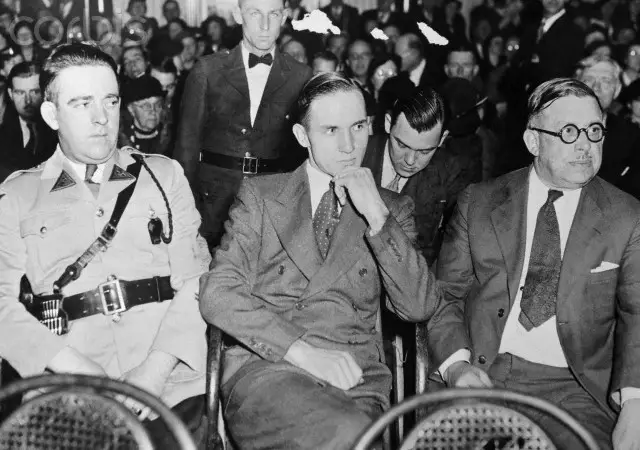
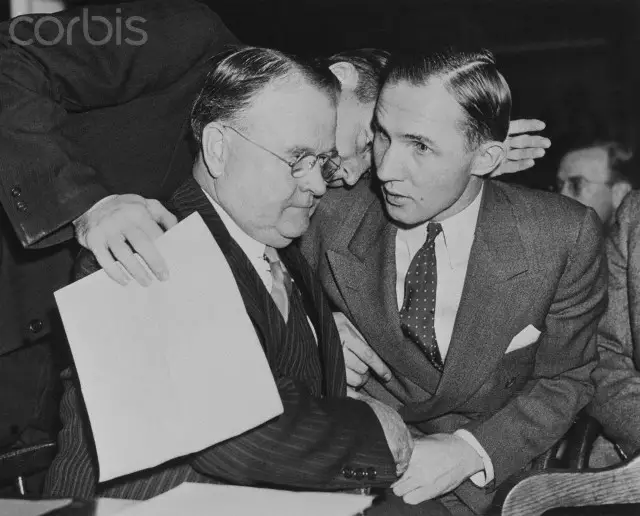
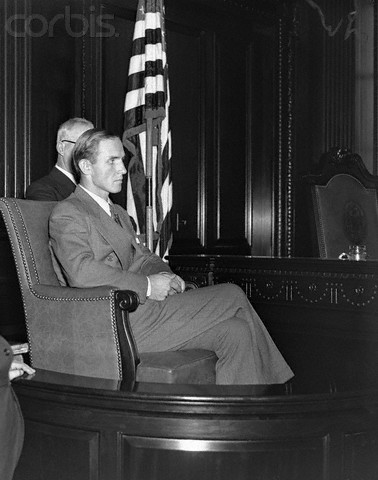
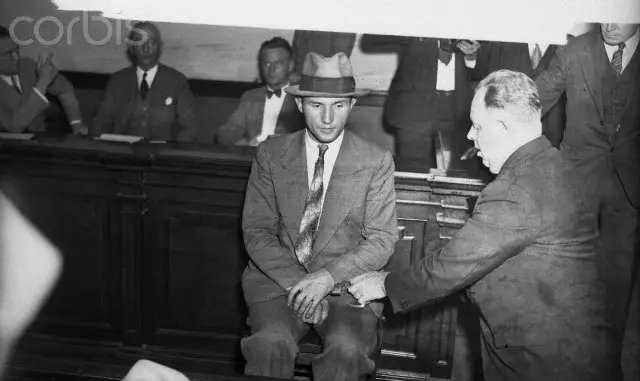
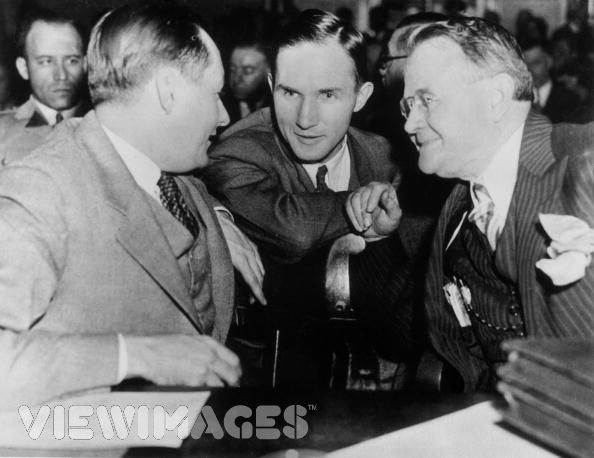
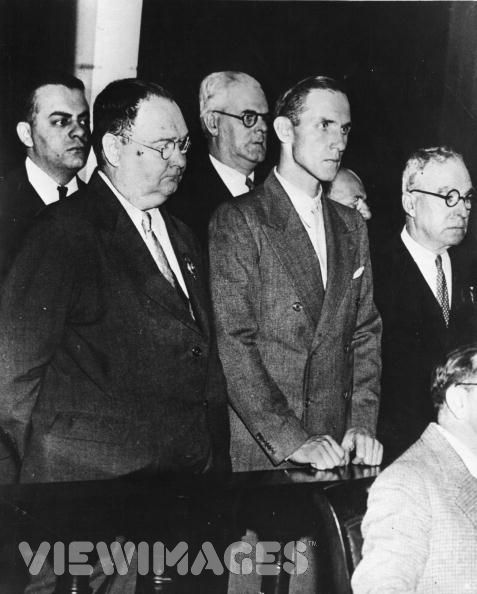
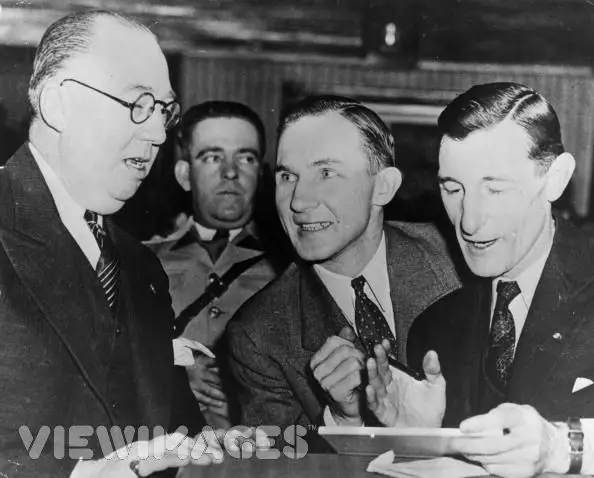
The trial, known as the "Trial of the Century," relied on forensic evidence including wood analysis of the ladder matching Hauptmann's attic and handwriting analysis. He was convicted and sentenced to death.
5. Outcome
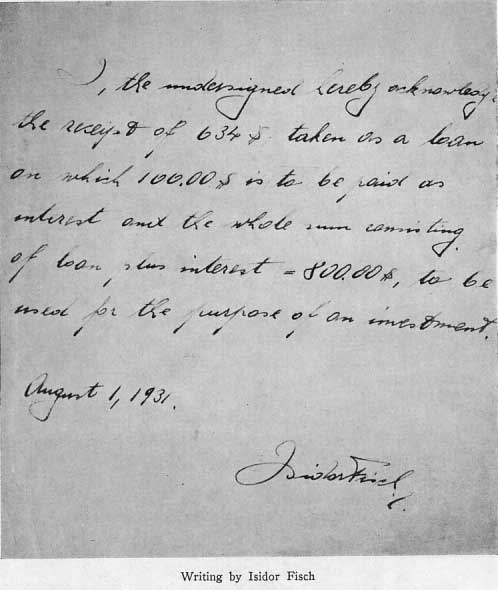
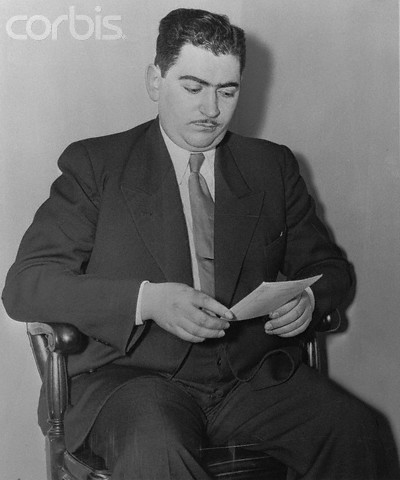
Hauptmann maintained his innocence, blaming a deceased associate, Isidor Fisch. He was executed in the electric chair on April 3, 1936, at New Jersey State Prison.