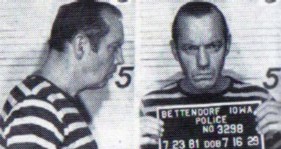




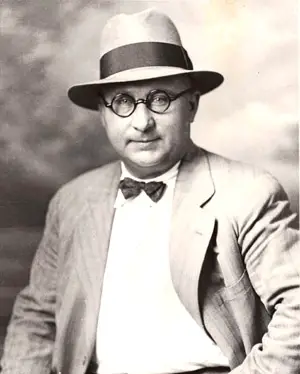
Forensic & Criminological Matrix
| Parameter | Forensic Detail |
|---|---|
| Forensic Heading / Aliases | None |
| Legal Identity | Charles Ray Hatcher |
| Confirmed Victims | 1 (Eric Christgen) |
| Attributed / Indicted Victims | 16 |
| Active Timeline | 1969 - 1982 |
| Jurisdiction / Area of Operations | Missouri, California, Iowa |
| Criminological Classification | Serial Killer |
| Forensic Modus Operandi | Kidnapping, sexual assault, and strangulation |
| Weapon / Mechanism of Death | Manual strangulation |
| Motive / Behavioral Dynamics | Pedophilia, antisocial personality disorder |
| Judicial Outcome | Life imprisonment; suicide in custody |
1. Background and Profile
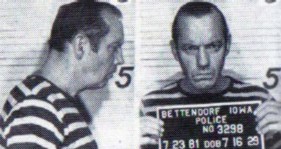
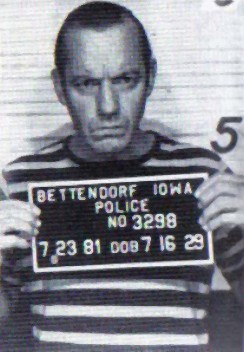
Charles Ray Hatcher was born on July 16, 1929, in Mound City, Missouri. His upbringing was characterized by an abusive, alcoholic father. A pivotal traumatic event occurred in 1935 when his older brother, Arthur Allen, was electrocuted while playing with a kite. Hatcher exhibited early signs of antisocial behavior and sadism, leading to a long history of criminal offenses.
2. Criminal Career and Modus Operandi
After numerous convictions for auto theft and forgery, Hatcher's criminal trajectory shifted toward violent crimes against children. He was a suspect in the 1961 prison murder of Jerry Tharrington. Between 1969 and 1982, he engaged in a series of child abductions and murders across multiple states, often using manipulation to lure his victims.
3. Investigation and Arrest
The investigation into Hatcher's crimes was marred by the wrongful conviction of Melvin Reynolds for the murder of Eric Christgen. Hatcher was finally apprehended in 1982 following the discovery of the body of 11-year-old Michelle Steele.
4. Legal Proceedings and Outcome
Following his arrest, Hatcher provided detailed confessions to 16 murders. He was convicted of the murder of Eric Christgen in 1983 and sentenced to life imprisonment. During his subsequent trial for the murder of Michelle Steele, he requested the death penalty, which was rejected by the jury.
5. Psychiatric Evaluation and Death
Psychiatrists diagnosed Hatcher as a manipulative sociopath with paraphilia and paranoid schizophrenia. On December 7, 1984, shortly after being denied the death penalty, Hatcher committed suicide by hanging himself in his cell at the Jefferson City state prison.