Forensic & Criminological Matrix
| Parameter | Forensic Detail |
|---|---|
| Forensic Heading / Aliases | null |
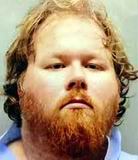
| Legal Identity | Ronald Lee Haskell Jr. |
| Confirmed Victims | 6 |
| Attributed / Indicted Victims | 6 |
| Active Timeline | July 9, 2014 |
| Jurisdiction / Area of Operations | Spring, Texas, USA |
| Criminological Classification | Mass Murderer |
| Forensic Modus Operandi | Deception (FedEx disguise), forced entry, binding, and execution-style shooting |
| Weapon / Mechanism of Death | Handgun (shots to the back of the head) |
| Motive / Behavioral Dynamics | Domestic vengeance and extreme gender-based violence |
| Judicial Outcome | Life imprisonment without parole |
1. Background and Profile
Ronald Lee Haskell Jr. was born on August 26, 1980. Raised in Escondido, California, and later residing in Alaska, he was remembered by peers as a charismatic individual, even being voted prom king. However, his marriage to Melannie Kaye Lyon in 2002 revealed a pattern of severe domestic abuse, coercive control, and escalating instability that led to a contentious divorce in 2014.
2. Criminal Career and Modus Operandi
On July 9, 2014, Haskell traveled to Spring, Texas, in pursuit of his ex-wife. Posing as a FedEx delivery driver, he gained entry to the Stay family home. He bound the parents and four children, executing them one by one with shots to the back of the head when they refused to disclose his ex-wife's location.
3. Investigation and Arrest
Cassidy Stay, the 15-year-old survivor, played dead after being grazed by a bullet. She provided critical intelligence to law enforcement, warning them of Haskell's plan to target her grandparents. This led to a high-speed chase and a three-hour standoff, ending in his surrender.
4. Legal Proceedings and Outcome
Following his arrest, Haskell exhibited erratic behavior in court. He was charged with six counts of capital murder. Despite defense efforts to focus on his mental state, he was found criminally responsible and sentenced to life in prison without the possibility of parole.