Forensic & Criminological Matrix
| Parameter | Forensic Detail |
|---|---|
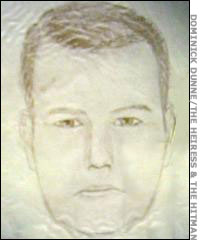
| Forensic Heading / Aliases | Butch, Gordon Phillips |
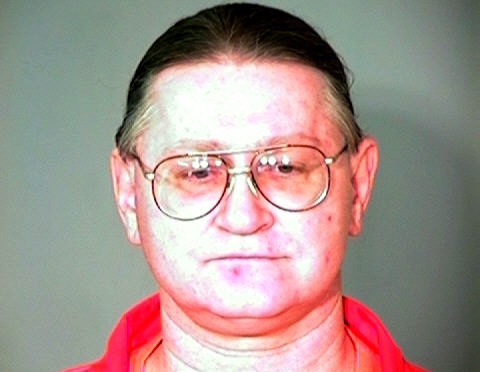
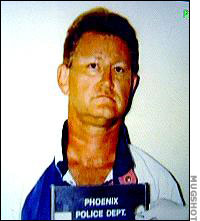
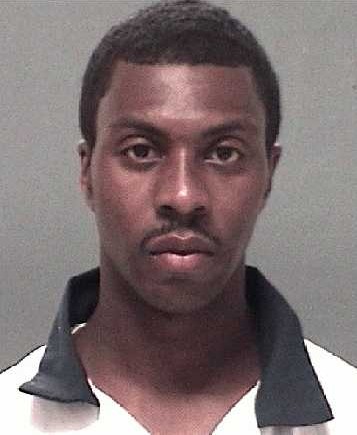
| Legal Identity | James Cornell Harrod |
| Confirmed Victims | 1 |
| Attributed / Indicted Victims | 1 |
| Active Timeline | 1988 |
| Jurisdiction / Area of Operations | Phoenix, Arizona |
| Criminological Classification | Contract Killer |
| Forensic Modus Operandi | Home invasion, execution via .22 caliber firearm |
| Weapon / Mechanism of Death | .22 caliber handgun |
| Motive / Behavioral Dynamics | Pecuniary gain (inheritance) |
| Judicial Outcome | Death sentence (subsequently reviewed) |
1. Background and Profile
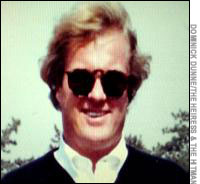
James Cornell Harrod (born 1953) grew up in a troubled environment characterized by an alcoholic father and childhood mental abuse. Despite these early stressors, he lacked a significant criminal record prior to the 1988 homicide. His criminal behavior is categorized as instrumental, driven by financial gain.
2. Crime Spree
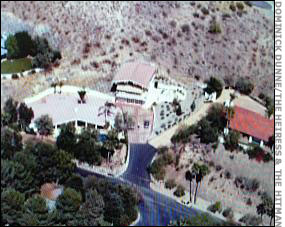
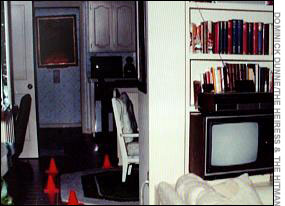
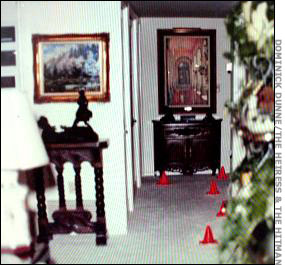
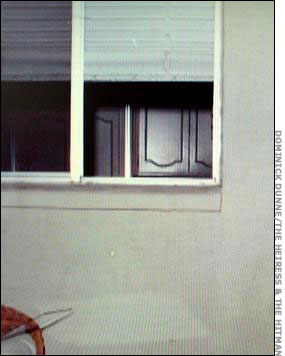
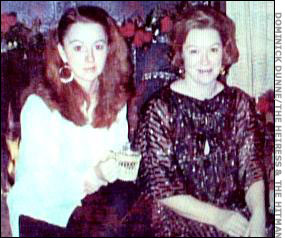
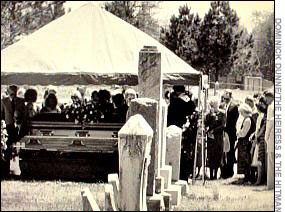
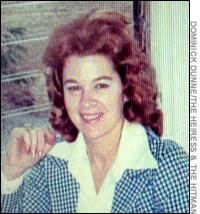
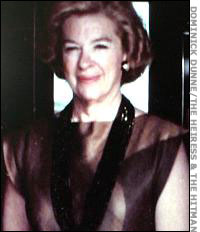
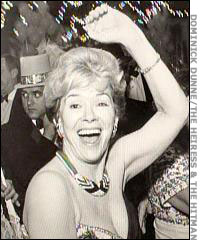
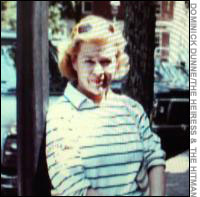
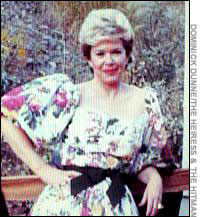
On April 1, 1988, Harrod broke into the home of Jeanne Tovrea. He gained entry by removing a kitchen window. Inside, he shot Tovrea five times in the head with a .22 caliber pistol. The crime scene was staged to look like a robbery, but evidence later pointed to a contract killing orchestrated to secure a $4 million trust fund.
3. Investigation and Arrest
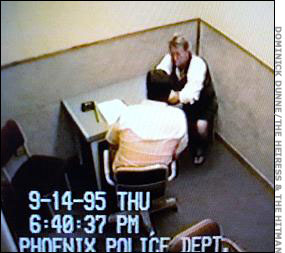
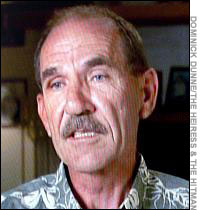
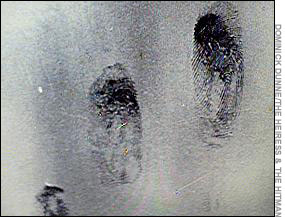
The case remained cold until 1995, when latent fingerprints from the scene were matched to Harrod. His ex-wife, Anne Costello, provided testimony under immunity, detailing how Harrod was hired by Ed Tovrea Jr. to perform the hit and how he had posed as 'Gordon Phillips' to scout the victim.
4. Legal Proceedings and Outcome
Harrod was arrested in 1995 and convicted in 1997. Following the Ring v. Arizona Supreme Court ruling, his initial death sentence was vacated and remanded for resentencing. In 2005, a jury again sentenced him to death by lethal injection, citing the aggravating factor of pecuniary gain.