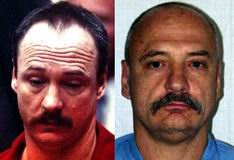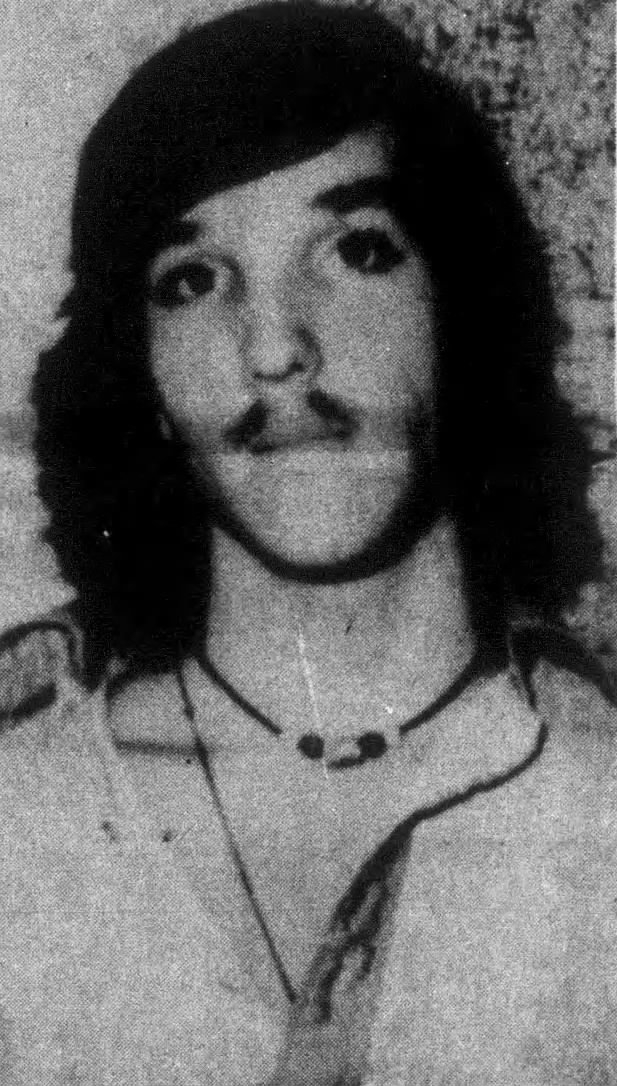
Forensic & Criminological Matrix
| Parameter | Forensic Detail |
|---|---|
| Forensic Heading / Aliases | Edward Jerome Harbison |
| Legal Identity | Edward Jerome Harbison |
| Confirmed Victims | 1 |
| Attributed / Indicted Victims | 1 |
| Active Timeline | 1983 |
| Jurisdiction / Area of Operations | Chattanooga, Tennessee |
| Criminological Classification | Murderer |
| Forensic Modus Operandi | Home invasion, robbery, and blunt force homicide |
| Weapon / Mechanism of Death | Marble vase (cranial trauma) |
| Motive / Behavioral Dynamics | Financial gain / Robbery |
| Judicial Outcome | Death sentence (pending execution) |
1. Background and Profile
Edward Jerome Harbison was a resident of Chattanooga, Tennessee. His criminal history is defined by the 1983 murder of Edith Russell. He operated in conjunction with David Schreane, and his case has become a landmark in legal debates regarding the constitutionality of lethal injection protocols in the United States.
2. Crime Spree
On January 15, 1983, Edith Russell was found murdered in her home's rental unit. The cause of death was massive blunt force trauma to the head. Harbison and his accomplice, David Schreane, burglarized the residence. When Edith returned home, Harbison claimed he struck her with a marble vase, resulting in fatal injuries.
3. Investigation and Arrest
Police recovered stolen property from the homes of Harbison's girlfriend and Schreane's girlfriend. Forensic evidence, including a jeweler's loupe found in Harbison's shaving kit and calcite fragments in his car matching the murder weapon, linked him directly to the crime scene. Despite his later claims of coerced confession, the physical evidence remained overwhelming.
4. Legal Proceedings and Outcome
Harbison was convicted and sentenced to death. His appeals have focused on ineffective assistance of counsel and the constitutionality of Tennessee's execution methods. The case has faced numerous stays of execution due to judicial scrutiny of lethal injection procedures.