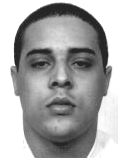
Forensic & Criminological Matrix
| Parameter | Forensic Detail |
|---|---|
| Forensic Heading / Aliases | Chairman of the Forces of Evil |
| Legal Identity | William Henry Hance |
| Confirmed Victims | 3 |
| Attributed / Indicted Victims | 3 |
| Active Timeline | 1977-1978 |
| Jurisdiction / Area of Operations | Columbus, Georgia (Fort Benning) |
| Criminological Classification | Serial Killer |
| Forensic Modus Operandi | Blunt force trauma with automotive tools |
| Weapon / Mechanism of Death | Jack handle / Blunt force |
| Motive / Behavioral Dynamics | Personality disorder, impulsivity |
| Judicial Outcome | Executed by electric chair (1994) |
1. Background and Psychopathy
William Henry Hance was a U.S. Army soldier stationed at Fort Benning. Forensic evaluations identified a personality disorder characterized by egocentrism, lack of empathy, and poor judgment. His history included significant marital and financial stress, which he often externalized through aggressive behavior.
2. Crime Spree
Between 1977 and 1978, Hance murdered three women. He utilized a distinct modus operandi: luring victims to secluded areas and killing them with extreme blunt force, typically using a car jack. He gained notoriety for sending taunting letters to the Columbus Police Department, claiming to be the leader of a white supremacist group, the 'Forces of Evil', to divert attention from his crimes.
3. Investigation and Arrest
Investigators from the Army CID and the FBI linked the letters and phone calls to Hance. After being identified as the last person seen with one of the victims, Hance was interrogated and eventually confessed to the murders, admitting that the 'Forces of Evil' was a fabrication created by him alone.
4. Legal Proceedings and Outcome
His trial was highly contentious, involving multiple appeals regarding his mental competency and claims of racial bias within the jury. Despite significant legal challenges and a last-minute stay of execution, the Supreme Court allowed the sentence to proceed.
5. Forensic Outcome
William Henry Hance was executed in Georgia's electric chair on March 31, 1994. His case remains a significant study in the intersection of capital punishment, mental health, and the judicial process in the American South.