





Forensic & Criminological Matrix
| Parameter | Forensic Detail |
|---|---|
| Forensic Heading / Aliases | null |
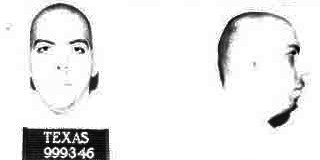
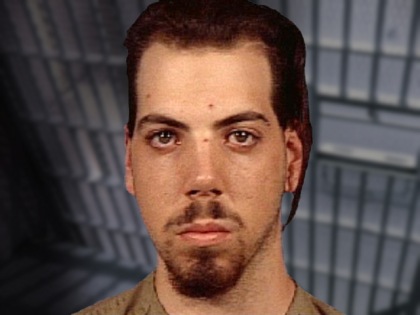
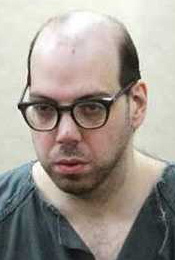
| Legal Identity | Michael Wayne Hall |
| Confirmed Victims | 1 |
| Attributed / Indicted Victims | 1 |
| Active Timeline | February 15, 1998 |
| Jurisdiction / Area of Operations | Arlington / Tarrant County, Texas |
| Criminological Classification | Aspiring serial killer / Murderer |
| Forensic Modus Operandi | Abduction, torture, and execution by firearm |
| Weapon / Mechanism of Death | .22-caliber rifle, pellet gun, crossbow |
| Motive / Behavioral Dynamics | Life frustration, white supremacist ideology, notoriety |
| Judicial Outcome | Death penalty (executed February 15, 2011) |
1. Background and Psychopathy
Michael Wayne Hall was born on April 6, 1979. Throughout his youth, he exhibited significant learning difficulties, which became a central point of contention during his capital murder trial regarding his intellectual capacity. Raised in a chaotic environment, Hall fell under the influence of Robert Neville, an older acquaintance who encouraged Hall's violent fantasies.
2. Crime Spree
On February 15, 1998, Hall and Neville targeted Amy Robinson, a 19-year-old coworker at a Kroger grocery store. They lured her into their vehicle under the guise of giving her a ride. They drove her to a remote field in Tarrant County, where they subjected her to a prolonged assault with a pellet gun and a crossbow before Neville fatally shot her in the chest and head with a .22-caliber rifle.
3. Investigation and Arrest
Following a two-week search for the missing victim, law enforcement identified Hall and Neville as suspects. The pair was apprehended on March 3, 1998, in Eagle Pass, Texas, while attempting to flee to Mexico. Post-arrest, both men bragged to the media about their desire to kill multiple victims and their white supremacist motivations.
4. Legal Proceedings and Outcome
In February 2000, a Tarrant County jury convicted Hall of capital murder and sentenced him to death. His legal team pursued extensive appeals, specifically challenging his execution based on the Supreme Court's Atkins v. Virginia ruling. Despite multiple evidentiary hearings and affidavits regarding his mental capacity, the courts consistently ruled that Hall did not meet the legal threshold for mental retardation.
5. Forensic Psychiatric Conclusion
Michael Wayne Hall was executed by lethal injection on February 15, 2011, at the Huntsville Unit. In his final statement, he apologized to the Robinson family, claiming he had changed through faith. The victim's sisters, who witnessed the execution, rejected his apology as insincere, noting that the execution occurred exactly 13 years after the crime.