



Forensic & Criminological Matrix
| Parameter | Forensic Detail |
|---|---|
| Forensic Heading / Aliases | N/A |
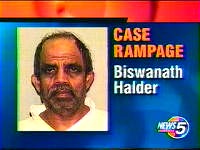
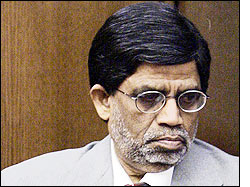
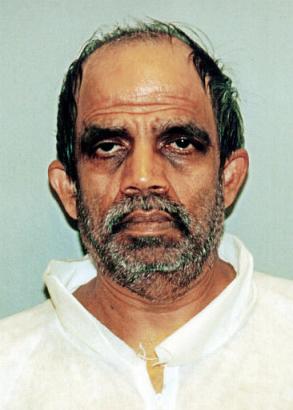
| Legal Identity | Biswanath Halder |
| Confirmed Victims | 1 |
| Attributed / Indicted Victims | 1 |
| Active Timeline | May 9, 2003 |
| Jurisdiction / Area of Operations | Cleveland, Ohio, USA |
| Criminological Classification | Active Shooter / Paranoid Delusional |
| Forensic Modus Operandi | Armed siege with hostage-taking and indiscriminate shooting |
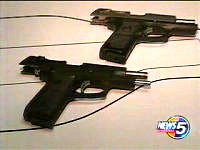
| Weapon / Mechanism of Death | Firearms and over 1,000 rounds of ammunition |
| Motive / Behavioral Dynamics | Persecutory delusions, cyber-obsession, and social resentment |
| Judicial Outcome | Life imprisonment following conviction on multiple felony counts |
1. Background and Profile
Born around 1938, Biswanath Halder arrived in the United States in 1969 to pursue higher education. His life was marked by profound social isolation and an inability to maintain stable employment. He lived in a cramped attic in Cleveland, surrounded by stacks of newspapers and magazines. Psychologically, Halder suffered from severe paranoid delusions, believing that the FBI, the judiciary, and various institutions were corrupt and conspiring against him.
2. Crime Spree
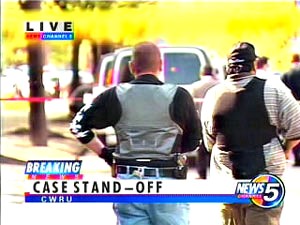
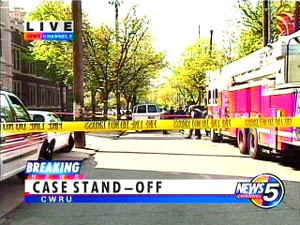
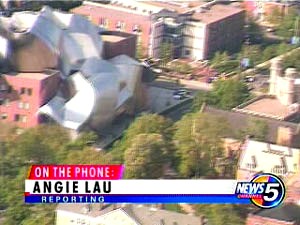
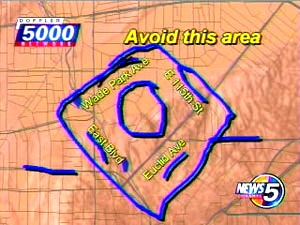
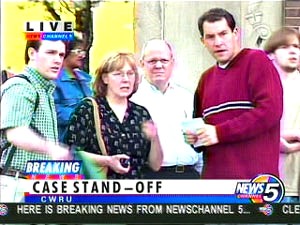
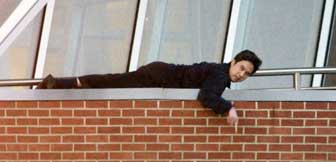
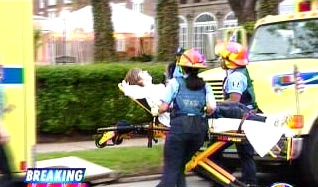
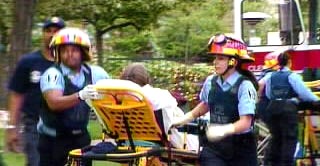
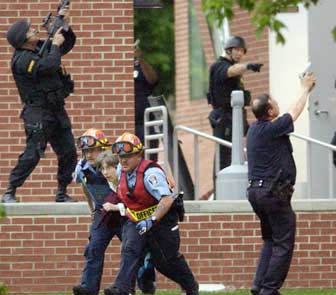
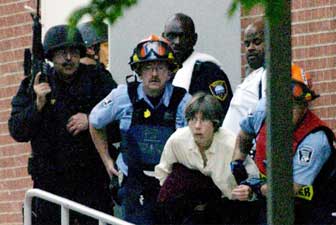
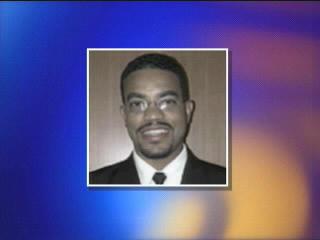
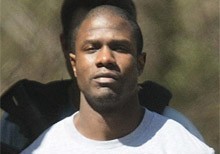
On May 9, 2003, Halder entered the Peter B. Lewis Building at Case Western Reserve University wearing military fatigues, a helmet, and a bulletproof vest. Armed with over 1,000 rounds of ammunition, he initiated a seven-hour siege. He claimed his goal was to 'liquidate' the university, which he blamed for shielding an employee, Shawn Miller, who he alleged had hacked his website. During the rampage, he fired indiscriminately, killing graduate student Norman Wallace and wounding two professors.
3. Investigation and Arrest
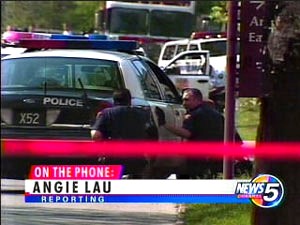
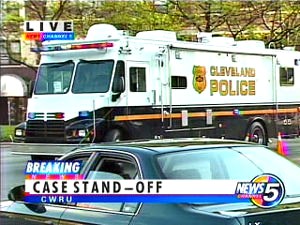
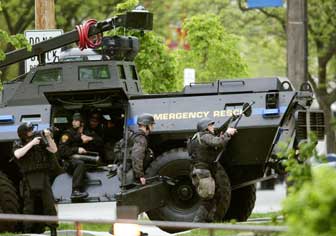
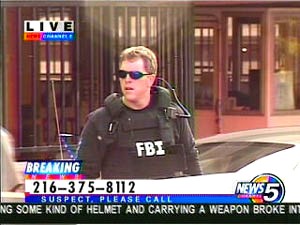
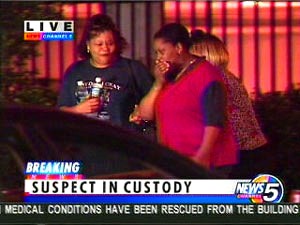
Local police and SWAT teams surrounded the building as Halder held occupants hostage. Students and faculty barricaded themselves in offices to escape the gunfire. Forensic investigation revealed that Halder had meticulously planned the attack for over two years, purchasing weapons after losing a civil lawsuit against the university. Forensic psychologist Jeffrey Smalldon described Halder as one of the most isolated individuals he had ever evaluated.
4. Legal Proceedings and Outcome
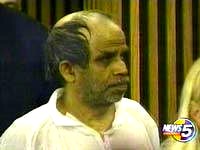
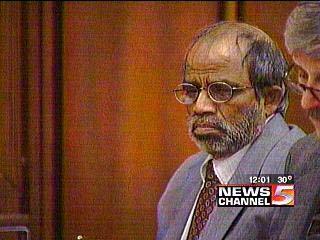
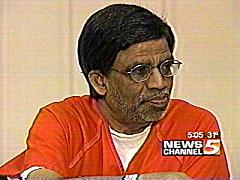
Following his capture by the SWAT team, Halder faced trial. His defense attempted to argue mental illness, but Judge Peggy Foley Jones ruled that the actions did not meet the legal definition of terrorism, effectively removing the death penalty from the table. Halder was convicted on multiple felony counts, including murder, and sentenced to life in prison. His 2008 appeal was denied.
5. Psychiatric Evaluation and Conclusion
Forensic experts concluded that while Halder was suffering from paranoid delusions—believing he was 'saving mankind' through his actions—he remained capable of distinguishing right from wrong. He displayed no genuine remorse throughout the proceedings, maintaining an impassive demeanor while assisting his defense team with copious notes.