




Forensic & Criminological Matrix
| Parameter | Forensic Detail |
|---|---|
| Forensic Heading / Aliases | The Butcher of Hanover (Der Schlächter von Hannover), The Vampire of Hanover, The Werewolf of Hanover |
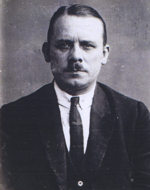
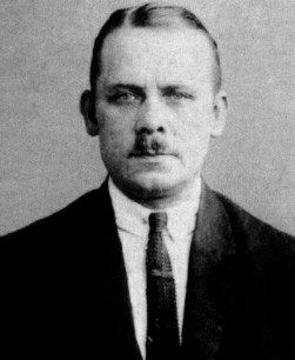
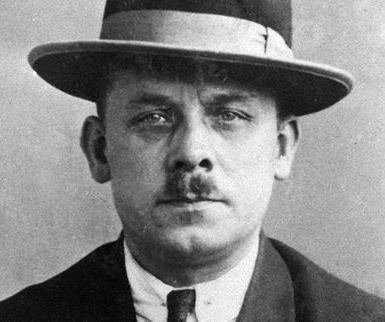
| Legal Identity | Friedrich Heinrich Karl Haarmann |
| Confirmed Victims | 24 judicial convictions (suspected 27+) |
| Active Timeline | 1918 – 1924 |
| Jurisdiction / Area of Operations | Hanover, Lower Saxony, Weimar Republic (Germany) |
| Criminological Classification | Territorial serial killer, predatory opportunist, and psychopathic butcher |
| Forensic Modus Operandi | Railway station predatory luring of vulnerable young males; manual and biting cervical asphyxiation; methodical domestic dismemberment |
| Weapon / Mechanism of Death | Severe laryngeal trauma and cervical compression; butchery cutlery |
| Motive / Behavioral Dynamics | Severe sadistic sexual deviation, homicidal paraphilia, instrumental psychopathy, and economic robbery |
| Judicial Outcome | Sentenced to death; executed by decapitation via guillotine on April 15, 1925 |
1. Background, Psychopathy, and Early Deviance
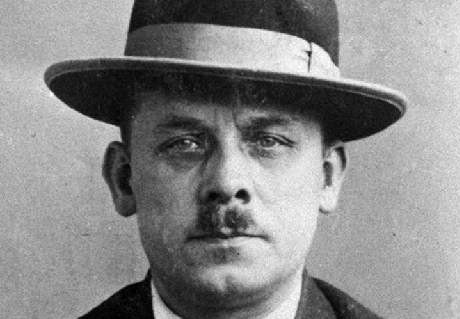
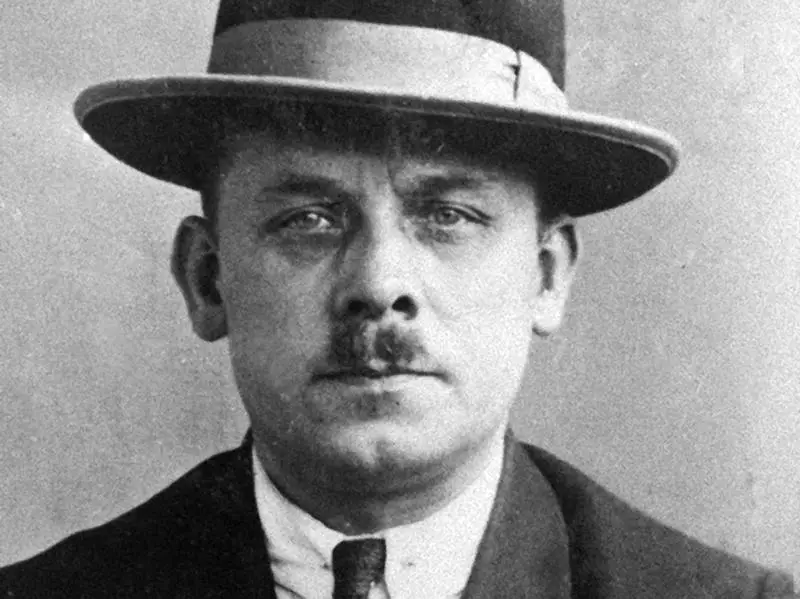
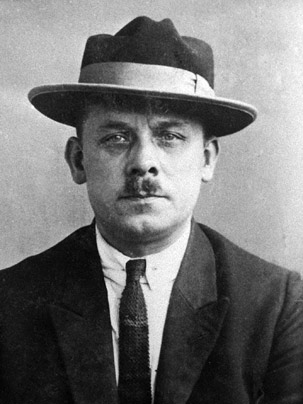
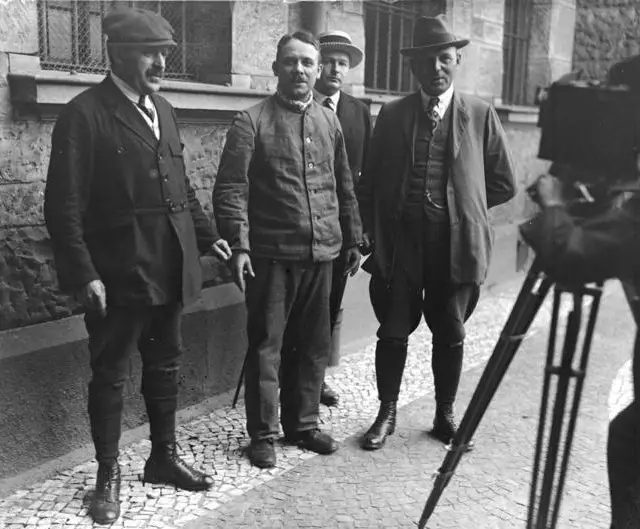
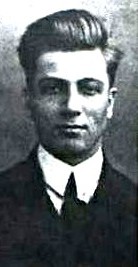
Friedrich Heinrich Karl Haarmann was born on October 25, 1879, in Hanover, Germany. Reared in a dysfunctional and physically abusive household under the dominion of an aggressive father, Haarmann exhibited chronic antisocial traits from early adolescence, including recurrent truancy, petty theft, and running away from home. Following stints in reformatories and brief military service terminated due to apparent epileptic seizures and severe psychiatric instability, he was institutionalized at the Hildesheim Psychiatric Asylum in 1900 with a diagnosis of moral insanity and sexual deviance.
Throughout World War I and the chaotic socio-economic collapse of the Weimar Republic, Haarmann established himself in Hanover's old quarter as a black-market operator and a covert, paid informant for the local police (Kriminalpolizei), a position that afforded him substantial immunity from law enforcement suspicion for nearly a decade.
2. Criminal Career and Forensic Modus Operandi
Between September 1918 and June 1924, Haarmann operated as one of history's most notorious serial predators. His primary hunting grounds were the platforms, waiting rooms, and dark corridors of the Hanover Central Railway Station (Hauptbahnhof), a bustling terminal teeming with destitute war runaways, impoverished youths, and homeless refugees.
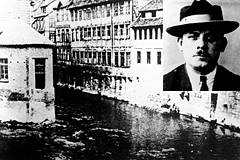
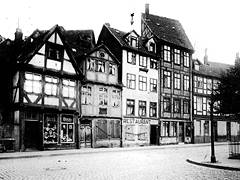
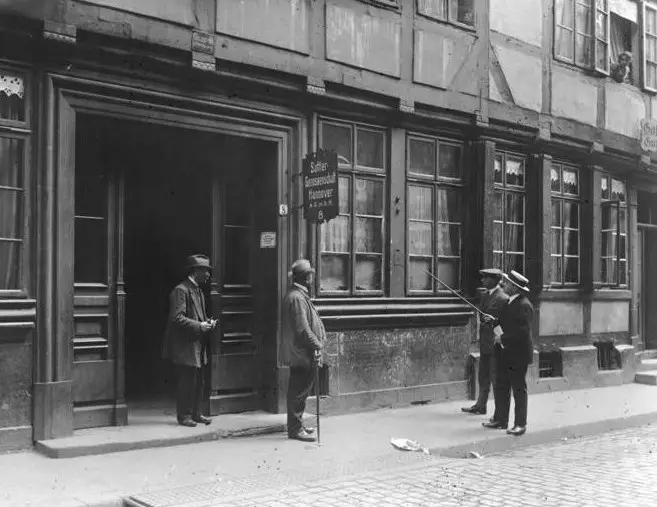
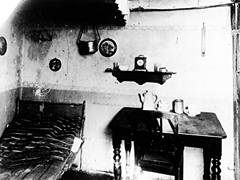
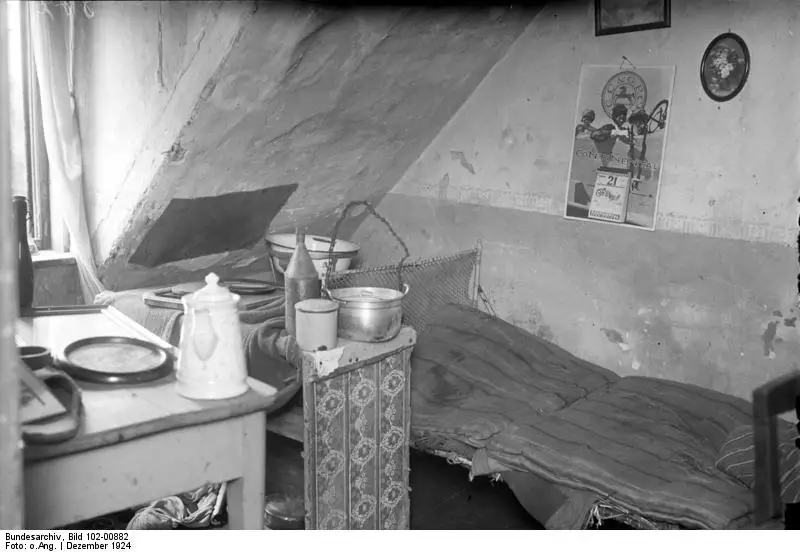
Leveraging his police informant credentials or offering warmth, food, and employment prospects, Haarmann lured vulnerable male teenagers to his small apartment at Neue Straße. There, he sexually assaulted them and inflicted fatal cervical compression by manual strangulation and biting the victim's throat. Methodically using professional butchering instruments, he severed and dissected the corpses, disposing of bodily tissues and skeletal remains in the Leine River while reselling their clothing on the clandestine black market.
3. Police Investigation and Forensic Dragnet
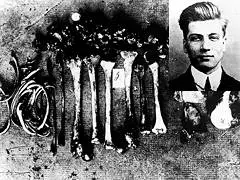
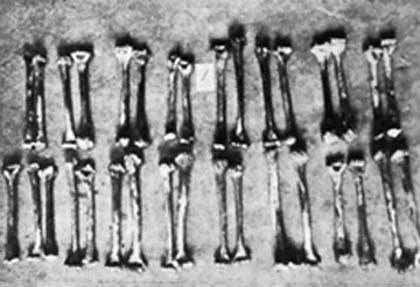
The persistent disappearance of dozens of young men created intense public panic throughout Lower Saxony. The forensic breakthrough unfolded in May 1924, when human skulls and bleached skeletal fragments were repeatedly washed up and retrieved by children and fishermen along the banks and weirs of the Leine River.
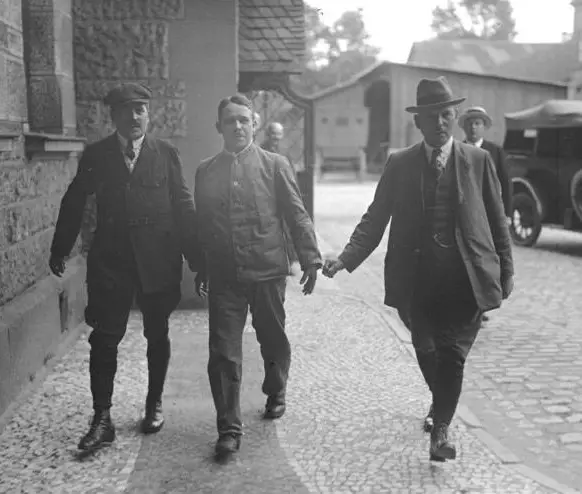
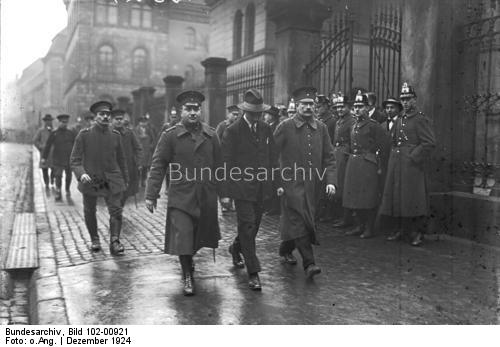
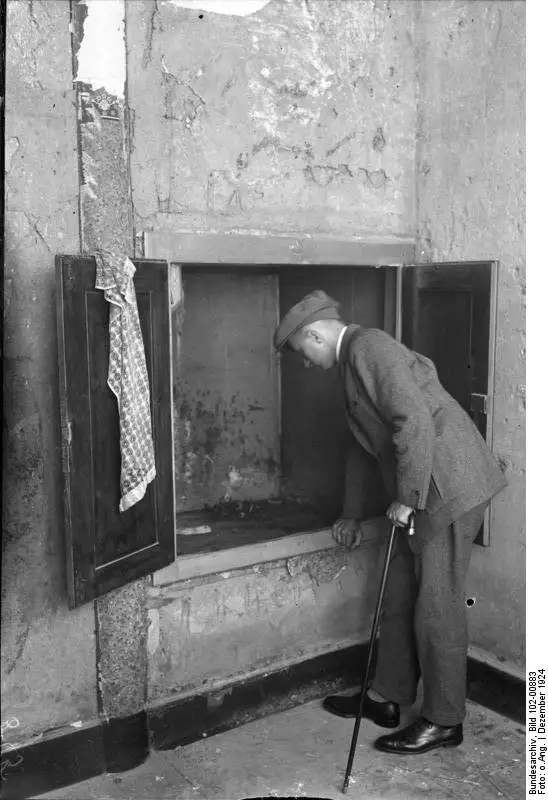
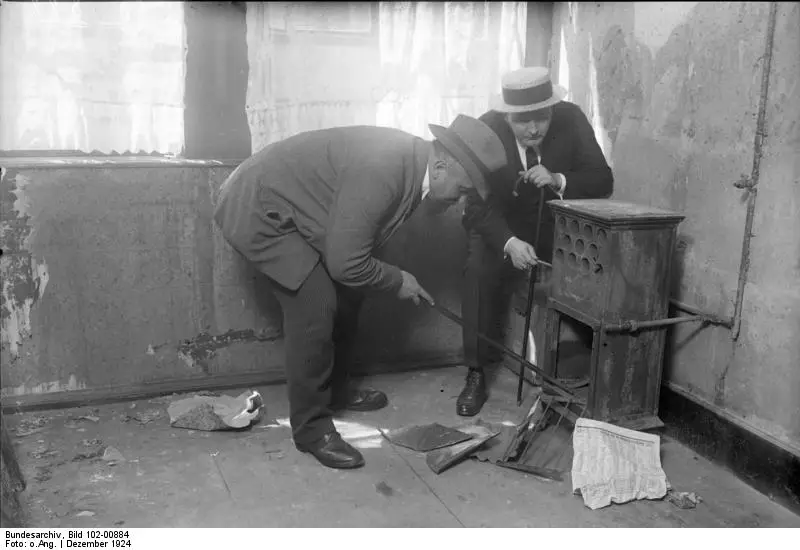
Renowned Berlin homicide commissioner Ernst Gennat was brought in to spearhead the investigation. Advanced forensic osteological examination confirmed the bones belonged to young males dismembered with surgical precision. On June 22, 1924, Haarmann was detained at Hanover Central Station following complaints of suspicious predatory conduct. A forensic search of his apartment revealed hidden bloodstains and garments identifying multiple missing adolescents.
4. Legal Proceedings and Capital Verdict
Confronted with more than 500 skeletal fragments recovered from the riverbed and substantial physical evidence, Haarmann admitted to killing between 24 and 30 victims, while alleging that his companion Hans Grans had incited several homicides for material gain.
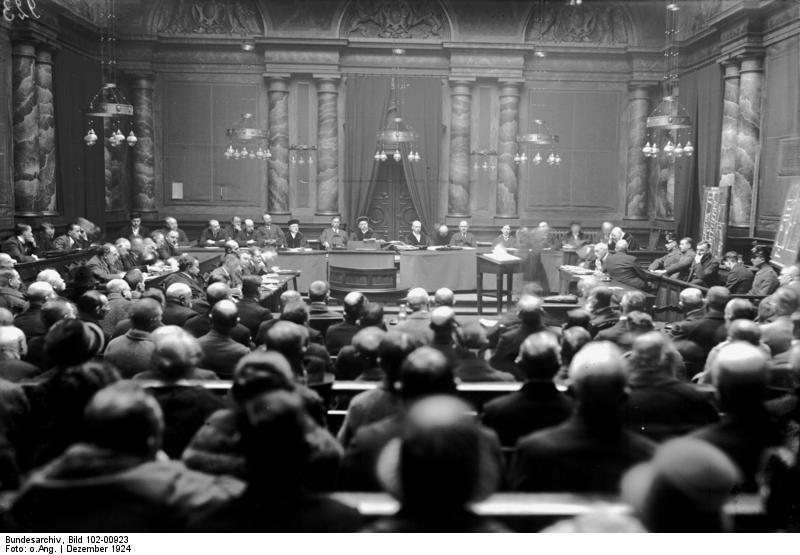
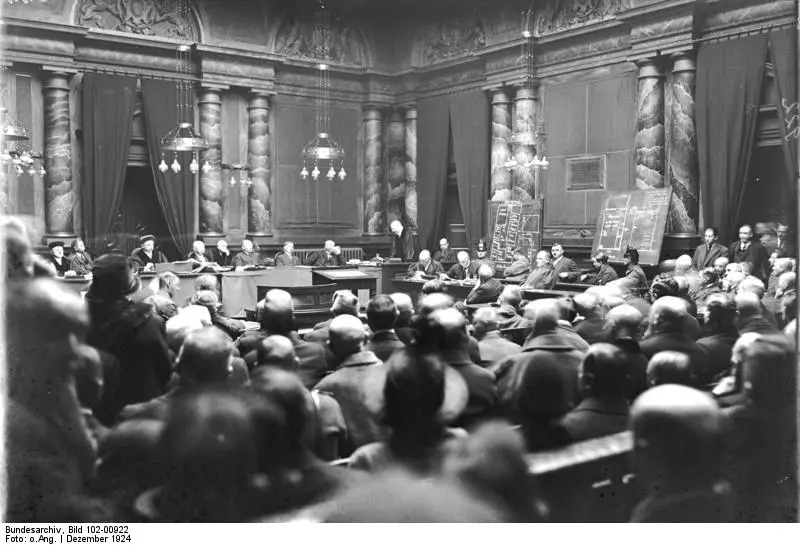
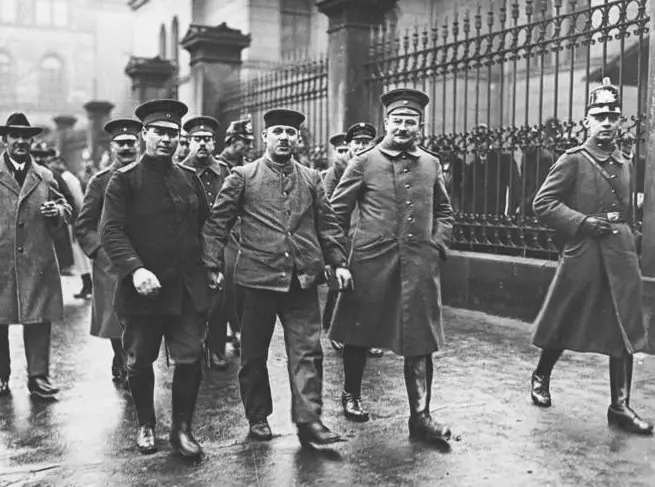
The trial commenced on December 4, 1924, before the Hanover District Court, attracting unprecedented international media coverage. A comprehensive medical panel directed by forensic psychiatrist Dr. Ernst Schultze determined that Haarmann was legally sane, calculating, and fully responsible for his actions under German criminal law. On December 19, 1924, he was found guilty on 24 counts of murder and sentenced to death by decapitation.
5. Execution and Criminological Legacy
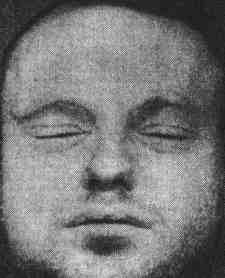
Friedrich Haarmann was executed on the guillotine at dawn on April 15, 1925, in the courtyard of Hanover Central Prison by executioner Carl Gröpler. By judicial decree, his brain and severed head were preserved for neuroanatomical and psychiatric research at the University of Göttingen, where they remained preserved in formal solution until final cremation in March 2014.
The Haarmann case served as a critical turning point in European investigative forensics, prompting the modern development of centralized missing-person databases, blood-spatter identification, and systematic forensic profiling.