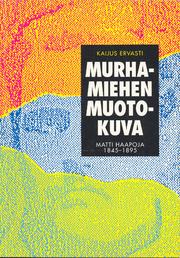
Forensic & Criminological Matrix
| Parameter | Forensic Detail |
|---|---|
| Forensic Heading / Aliases | null |
| Legal Identity | Matti Haapoja |
| Confirmed Victims | 3 |
| Attributed / Indicted Victims | 25 |
| Active Timeline | 1867-1894 |
| Jurisdiction / Area of Operations | Finland and Siberia (Russia) |
| Criminological Classification | Serial Killer |
| Forensic Modus Operandi | Stabbing, strangulation, and blunt force trauma |
| Weapon / Mechanism of Death | Knife, club, manual strangulation |
| Motive / Behavioral Dynamics | Psychopathy, financial gain, evasion of justice |
| Judicial Outcome | Suicide in custody |
1. Background and Profile
Matti Haapoja (1845-1895) remains one of the most infamous figures in Finnish criminal history. His trajectory began with petty theft and brawling, quickly escalating into a pattern of lethal violence. His psychological profile suggests a deeply ingrained antisocial personality disorder, marked by extreme impulsivity and a persistent drive to evade institutional confinement.
2. Crime Spree
Haapoja's first confirmed murder occurred on December 6, 1867. Throughout his life, he escaped prison four times. During his exile in Siberia, he was linked to several deaths, though documentation remains sparse. His modus operandi was characterized by opportunistic violence, often involving knives or strangulation during robberies.
3. Investigation and Arrest
Law enforcement tracked Haapoja through his various escape attempts. Upon his return to Finland in 1890, he was apprehended in Porvoo following the murder of Jemina Salo. His arrest led to a series of confessions that, while unreliable in total count, provided insight into his criminal methodology.
4. Legal Proceedings and Outcome
Haapoja faced multiple trials, consistently displaying an arrogant demeanor. He was sentenced to life imprisonment twice. His final attempt to escape in 1894 resulted in the death of a prison guard, Juho Rosted, and further injuries to staff.
5. Forensic Conclusion
Following his failed escape and subsequent suicide attempt, Haapoja successfully hanged himself in his cell on January 8, 1895. His remains were held at the Museum of Crime in Vantaa for decades before being interred in Ylistaro in 1995.