




Forensic & Criminological Matrix
| Parameter | Forensic Detail |
|---|---|
| Forensic Heading / Aliases | null |
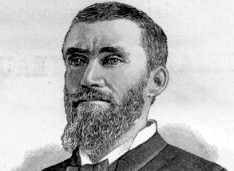
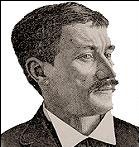
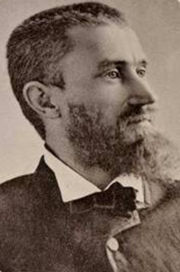
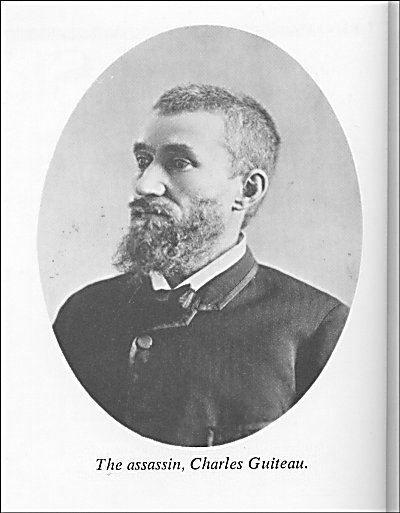
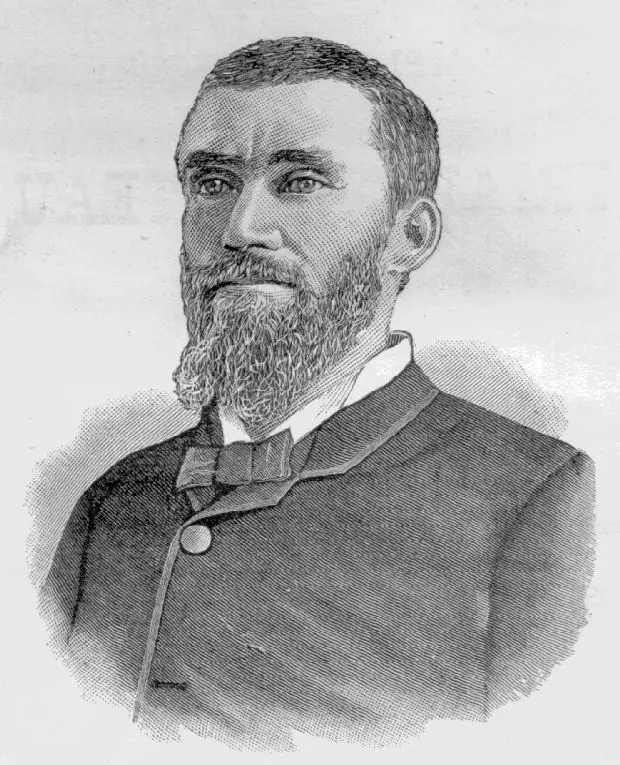
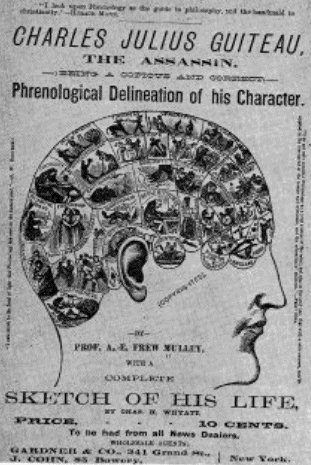
| Legal Identity | Charles Julius Guiteau |
| Confirmed Victims | 1 |
| Attributed / Indicted Victims | 1 |
| Active Timeline | 1881 |
| Jurisdiction / Area of Operations | Washington D.C., USA |
| Criminological Classification | Political Assassin / Delusional |
| Forensic Modus Operandi | Stalking and point-blank shooting |
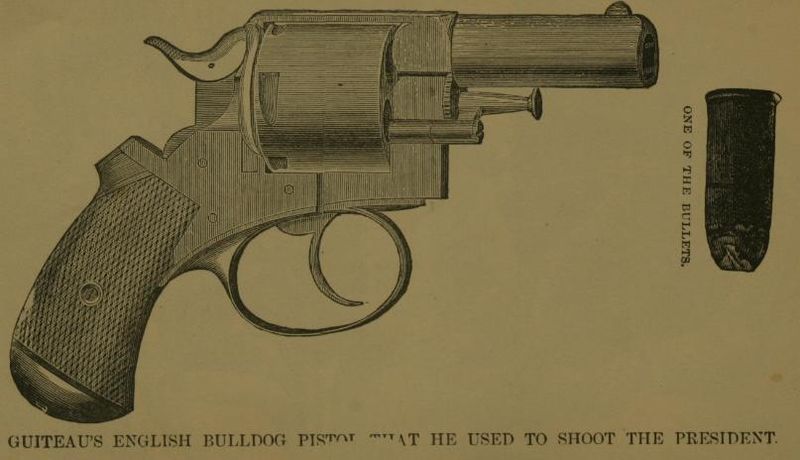
| Weapon / Mechanism of Death | .442 Webley British Bulldog revolver |
| Motive / Behavioral Dynamics | Messianic delusion and narcissism |
| Judicial Outcome | Death sentence by hanging |
1. Background and Psychopathy
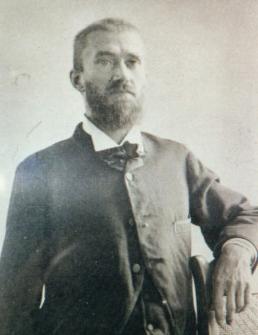
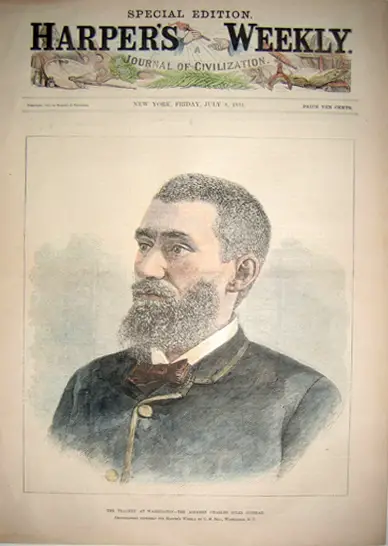
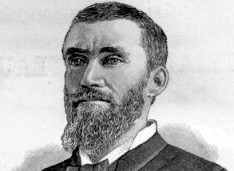
Born in Freeport, Illinois, in 1841, Charles Guiteau suffered from a turbulent upbringing under an abusive father. His life was characterized by chronic instability, failed academic pursuits, and membership in the Oneida Community, where he was ostracized. His professional life as a lawyer and theologian was marked by fraud and plagiarism.
2. Crime Spree
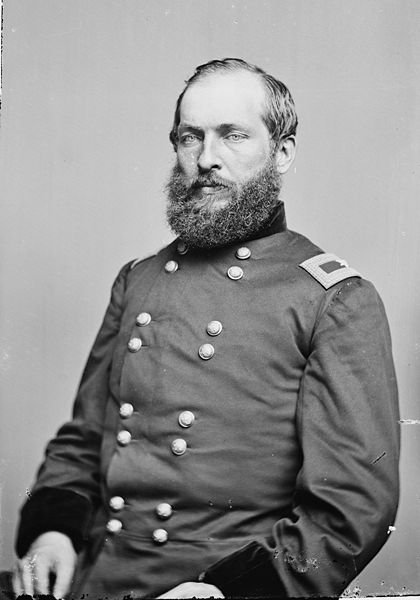
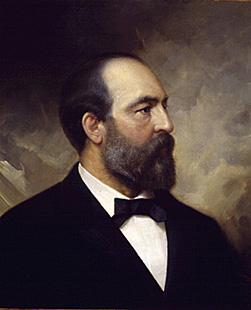
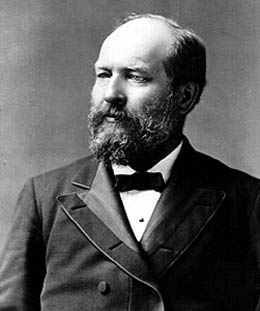
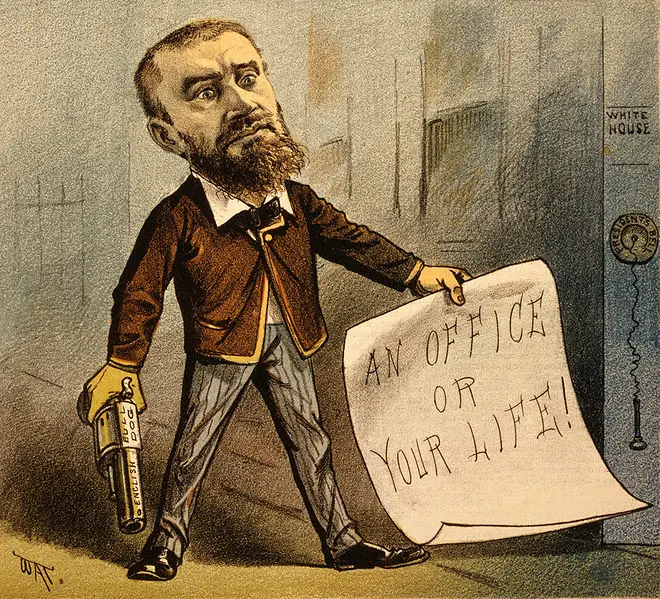
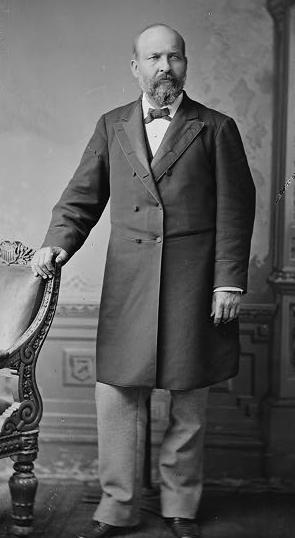
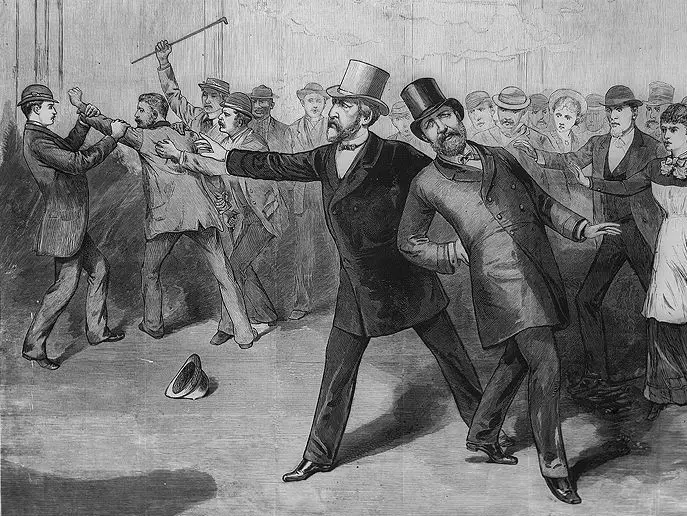
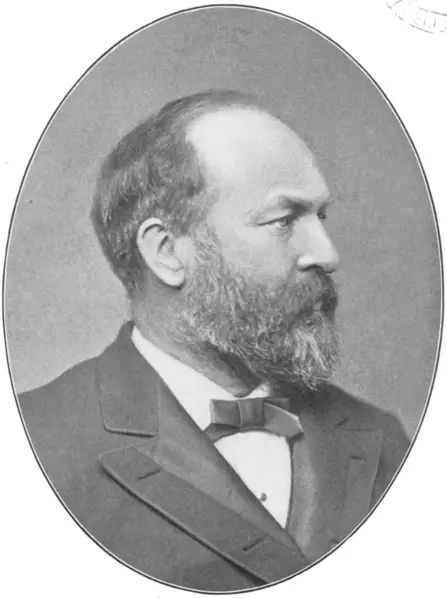
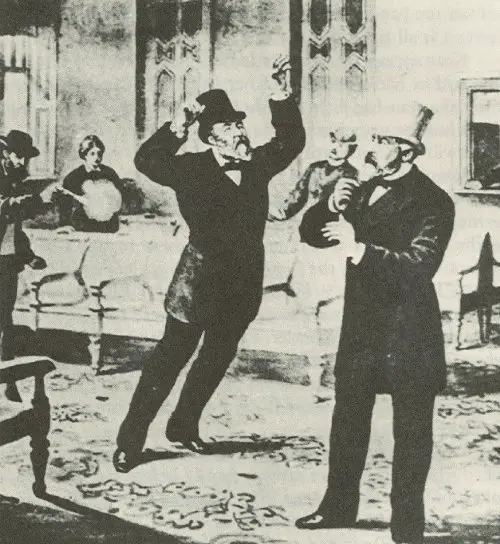
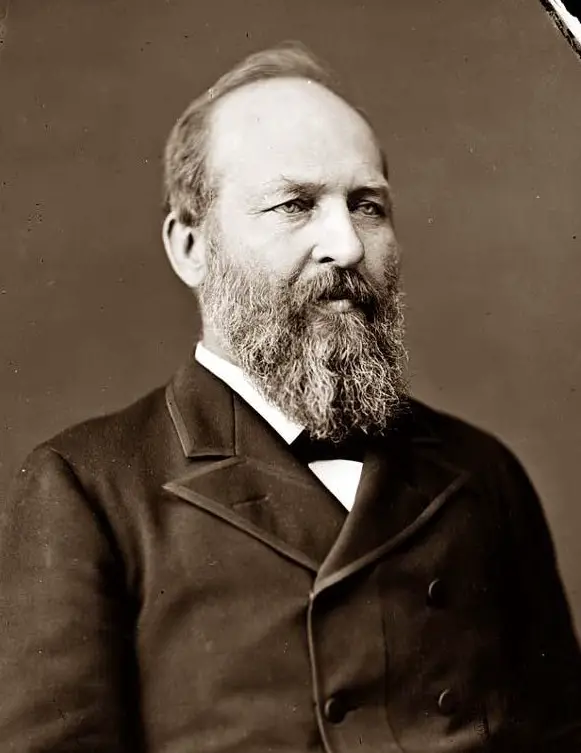
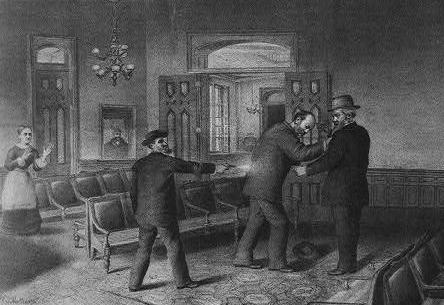
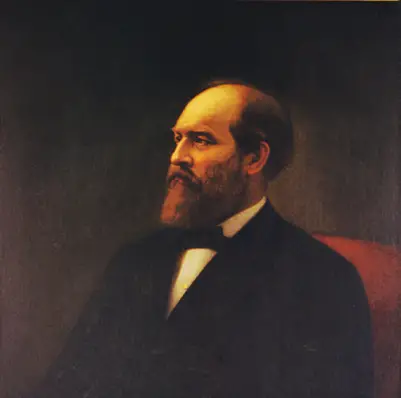
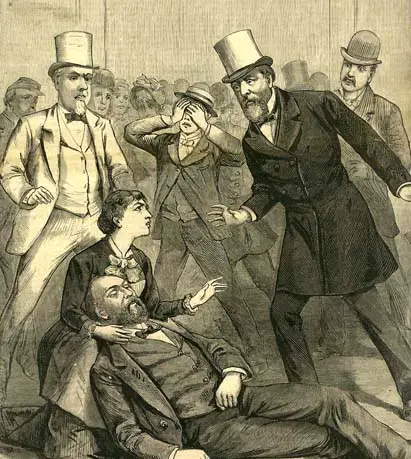
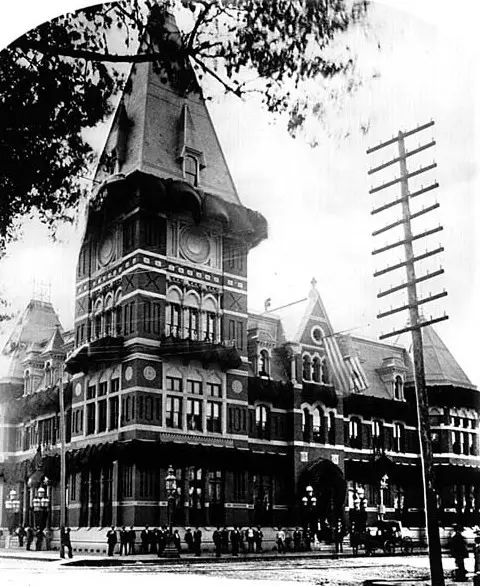
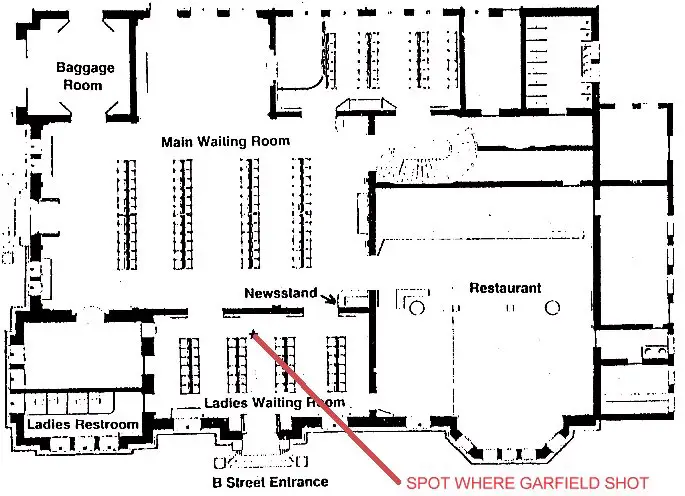
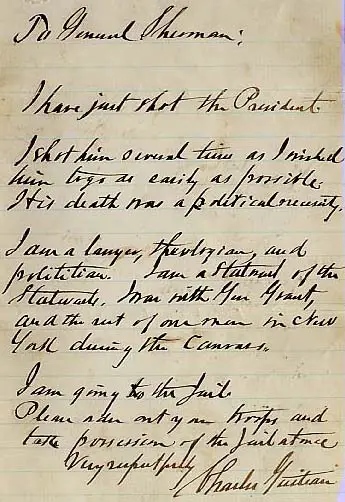
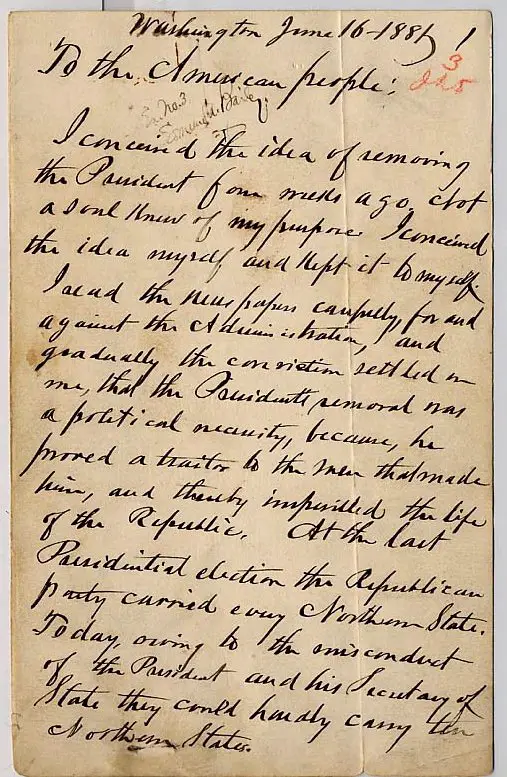
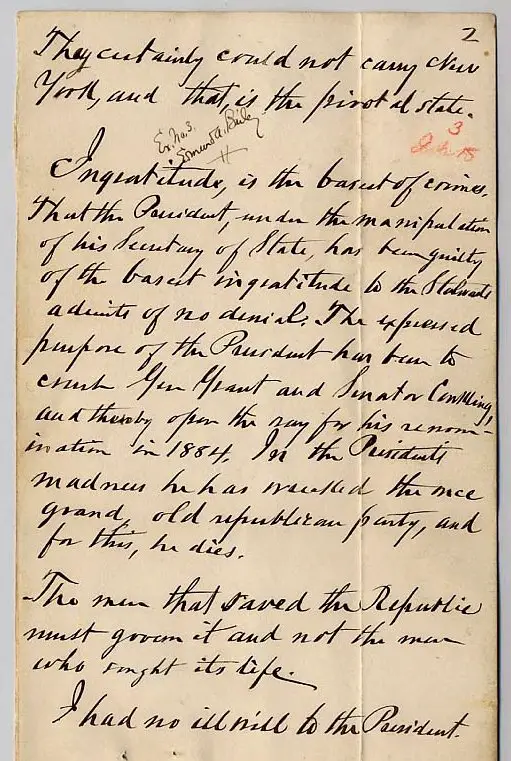
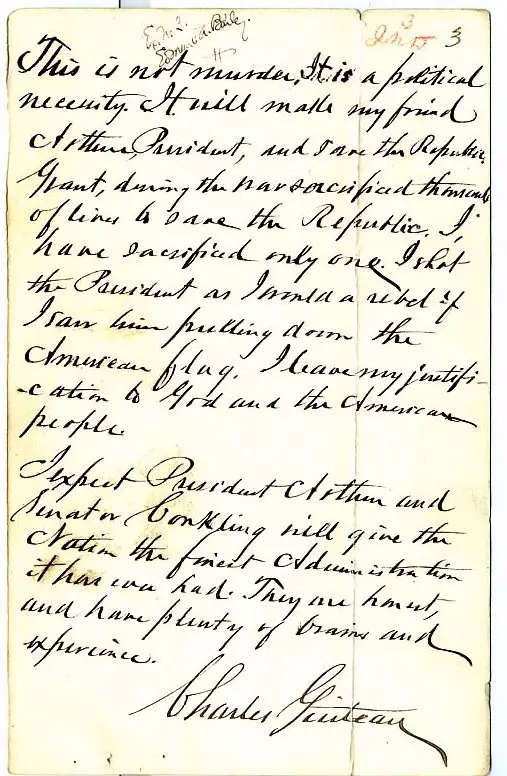
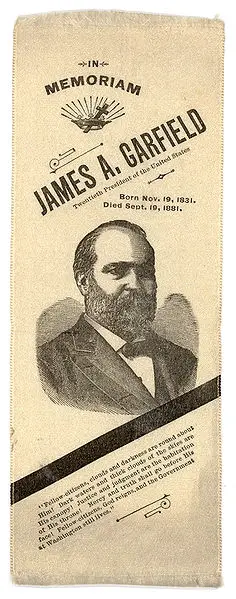
Believing he was responsible for President James A. Garfield's election, Guiteau felt entitled to a consulship. After being repeatedly rejected by the administration, he claimed God commanded him to kill the President. He purchased a .442 Webley British Bulldog revolver, specifically choosing one with an ivory handle for its future display value. On July 2, 1881, he shot Garfield twice at the Baltimore and Potomac Railroad Station.
3. Investigation and Arrest
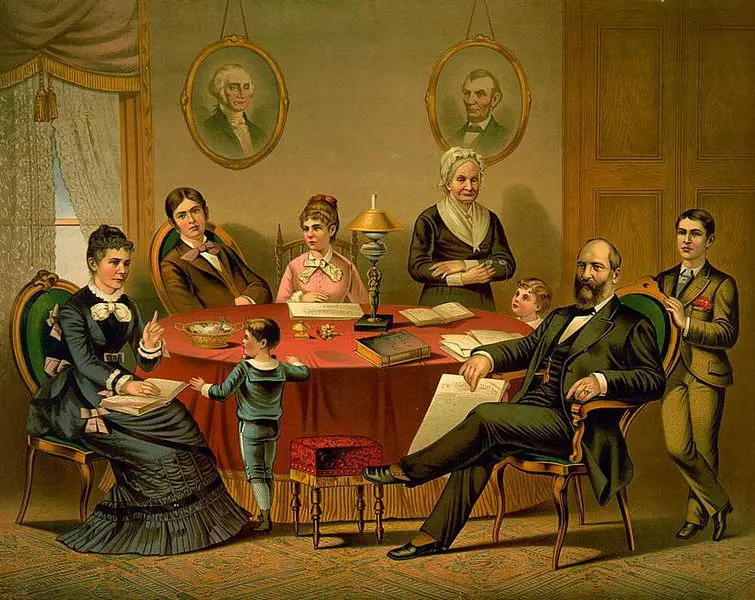
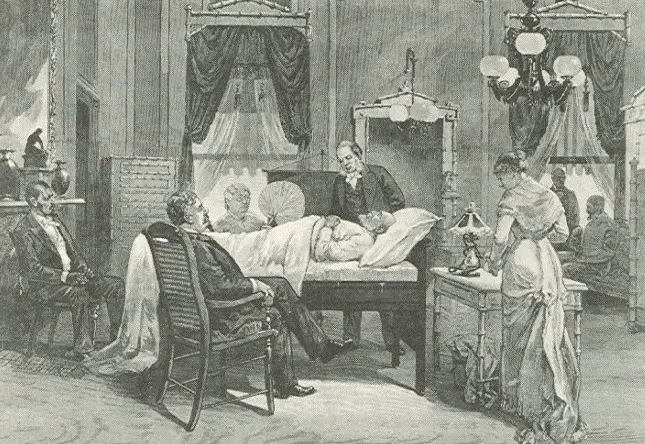
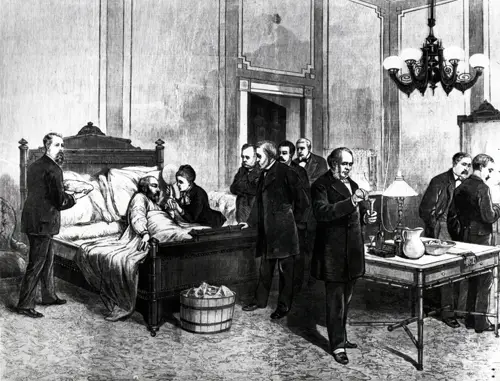
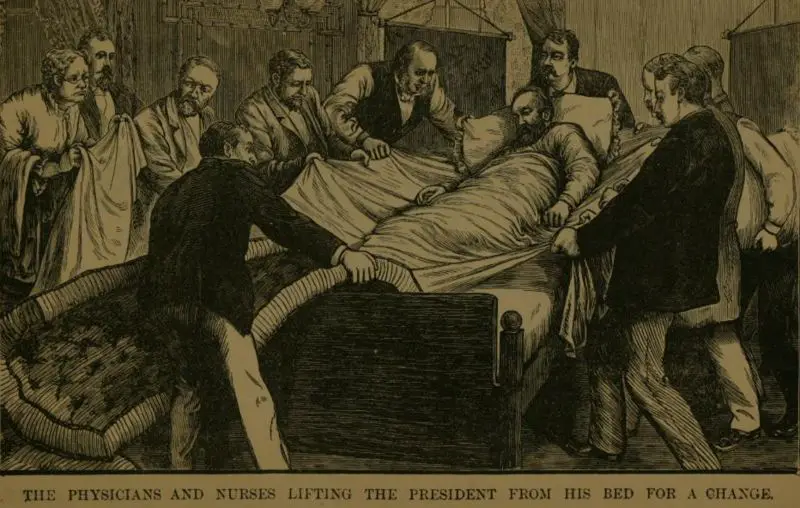
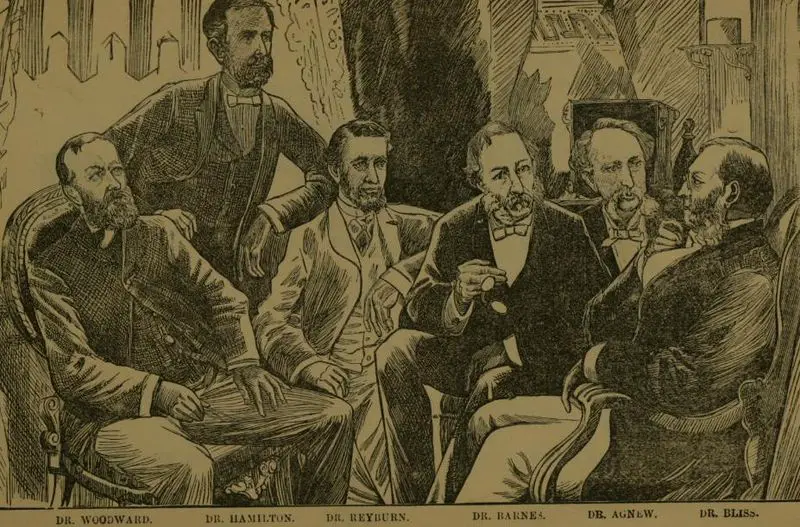
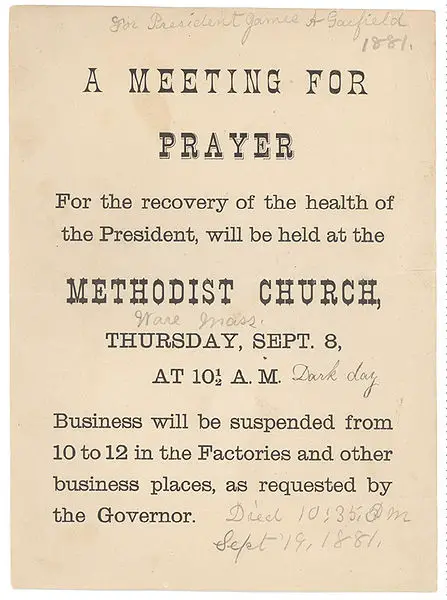
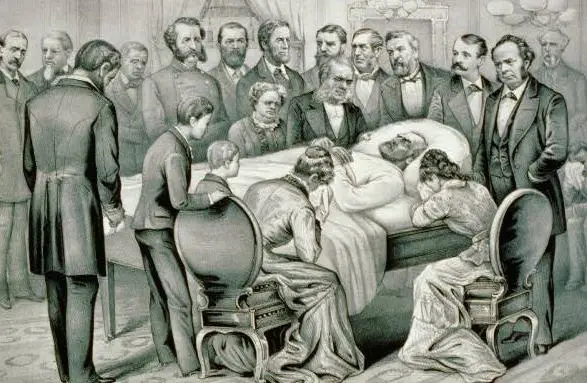
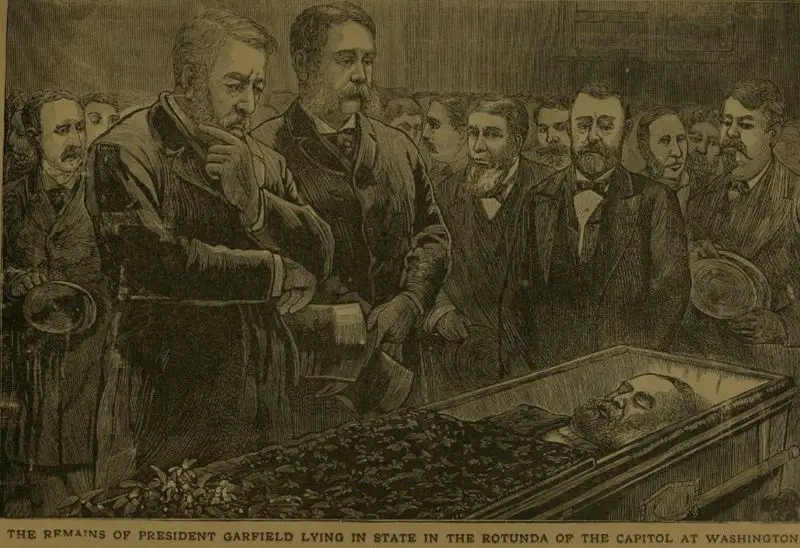
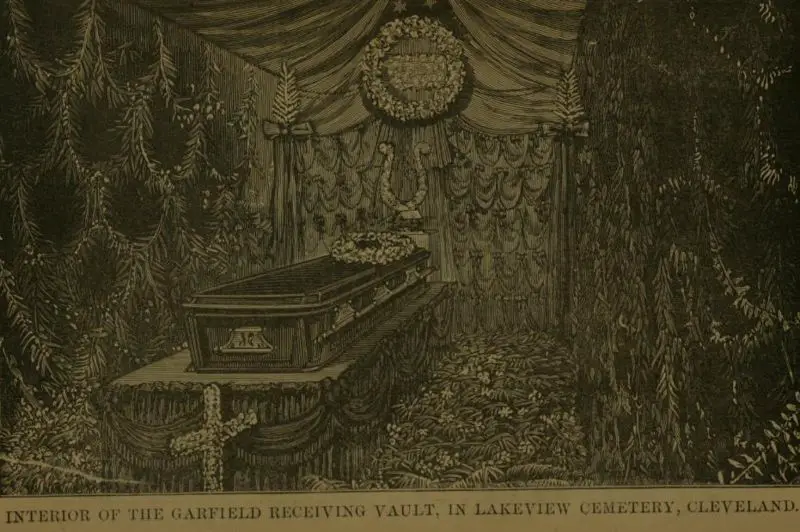
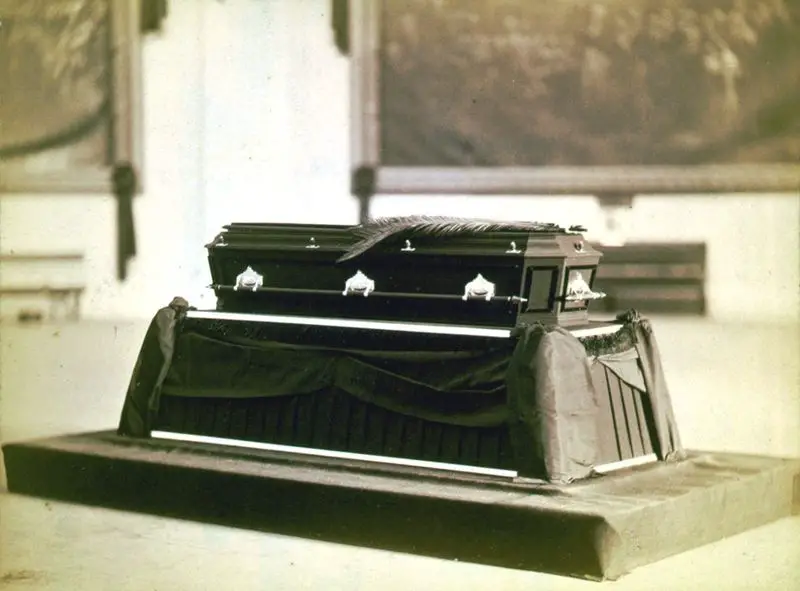
Guiteau was apprehended on-site, declaring his act was for the benefit of the 'Stalwart' faction. President Garfield died on September 19, 1881, due to infections caused by unsanitary medical treatment. The investigation focused on whether Guiteau's actions were the result of legal insanity.
4. Legal Proceedings and Outcome
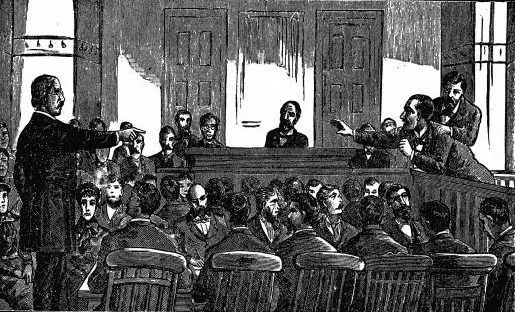
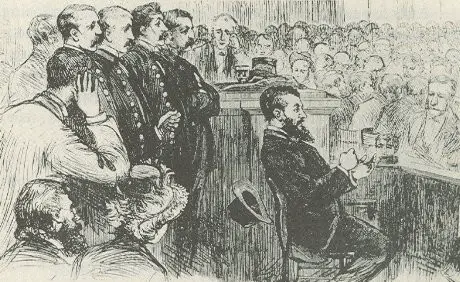
The trial, which began in November 1881, became a media spectacle. Guiteau frequently disrupted proceedings, insulted his legal counsel, and acted as if he were a celebrity. Despite his defense's plea of insanity, the jury found him guilty on January 25, 1882.
5. Psychiatric Assessment and Execution
Guiteau was executed by hanging on June 30, 1882. His final moments were spent reciting a poem he had composed. His case remains a landmark in American jurisprudence regarding the insanity defense and the intersection of mental health and criminal responsibility.