





Forensic & Criminological Matrix
| Parameter | Forensic Detail |
|---|---|
| Forensic Heading / Aliases | None |
| Legal Identity | Jeremy D. Gross |
| Confirmed Victims | 1 |
| Attributed / Indicted Victims | 1 |
| Active Timeline | 1998 |
| Jurisdiction / Area of Operations | Indianapolis, Indiana |
| Criminological Classification | Felony Murderer |
| Forensic Modus Operandi | Armed robbery with summary execution |
| Weapon / Mechanism of Death | Handgun |
| Motive / Behavioral Dynamics | Financial gain / Intentional homicide |
| Judicial Outcome | Life imprisonment without parole |
1. Background and Profile
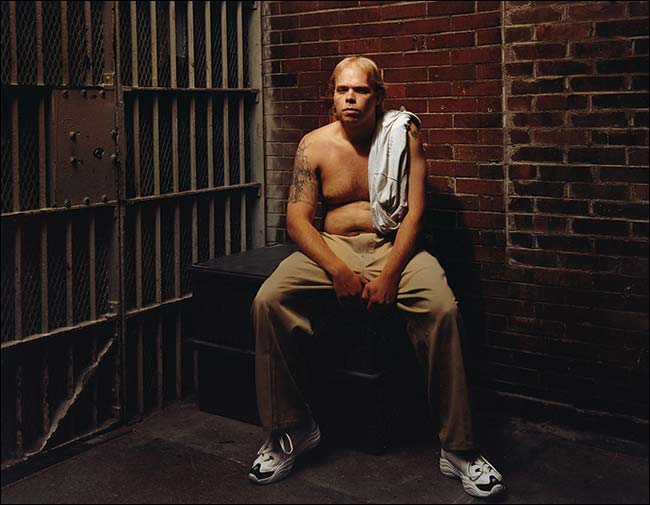
Jeremy D. Gross (born 1979) was raised in an environment defined by parental abuse and neglect. Despite graduating from high school, his early life was marked by institutionalization in youth centers and reform schools. His defense team later highlighted his conduct in these facilities as a mitigating factor during his capital sentencing phase.
2. Criminal Career and Modus Operandi
On August 26, 1998, Gross and his accomplice, Joshua Spears, targeted a convenience store in Indianapolis. After demanding cash, Gross shot the clerk, Christopher Beers, multiple times in the head, chest, and abdomen. The pair disabled the store's phone lines and stole the surveillance video recorder to destroy evidence of the crime.
3. Investigation and Arrest
Witness J.J. Thompson observed the shooting from his vehicle and alerted authorities. Marion County Sheriff's deputies apprehended Gross shortly thereafter. Gross provided a taped confession admitting to the robbery and the intentional shooting of the clerk.
4. Legal Proceedings and Outcome
Gross was charged with murder, felony murder, conspiracy to commit robbery, and Class A robbery. The State sought the death penalty, but the jury recommended life without parole, which the court accepted. The Indiana Supreme Court later affirmed the conviction but remanded the case to reduce the robbery charge from a Class A to a Class B felony due to double jeopardy concerns regarding the use of the victim's death to elevate the robbery charge.
5. Forensic Conclusion
The court weighed Gross's difficult childhood and age against the severity of the intentional killing. Ultimately, the aggravating factor of committing murder during a robbery outweighed the mitigating factors, resulting in a sentence of life imprisonment without the possibility of parole.