



Forensic & Criminological Matrix
| Parameter | Forensic Detail |
|---|---|
| Forensic Heading / Aliases | Clem, Clem Tufts, Grant Mollan, Scramblehead |
| Legal Identity | Steve Dennis Grogan |
| Confirmed Victims | 1 |
| Attributed / Indicted Victims | 1 |
| Active Timeline | 1969 |
| Jurisdiction / Area of Operations | California, United States |
| Criminological Classification | Sectarian murderer (Manson Family) |
| Forensic Modus Operandi | Homicide via bladed and blunt weapons |
| Weapon / Mechanism of Death | Knives and blunt objects |
| Motive / Behavioral Dynamics | Sectarian ideology and loyalty to Charles Manson |
| Judicial Outcome | Life sentence (commuted), paroled in 1985 |
1. Background and Profile
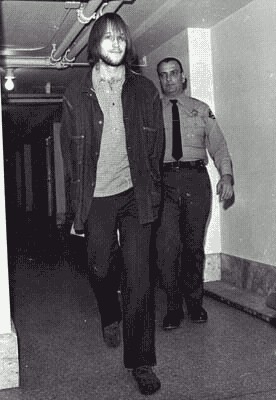
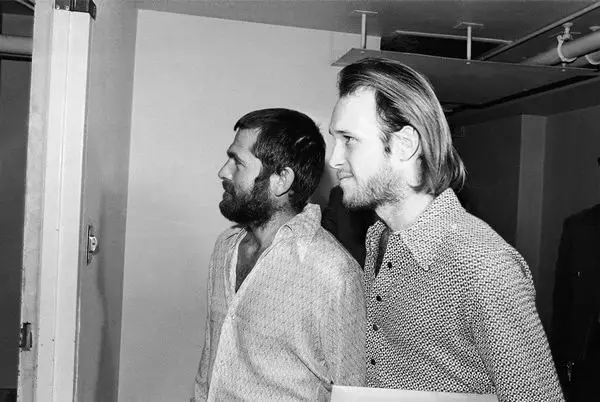
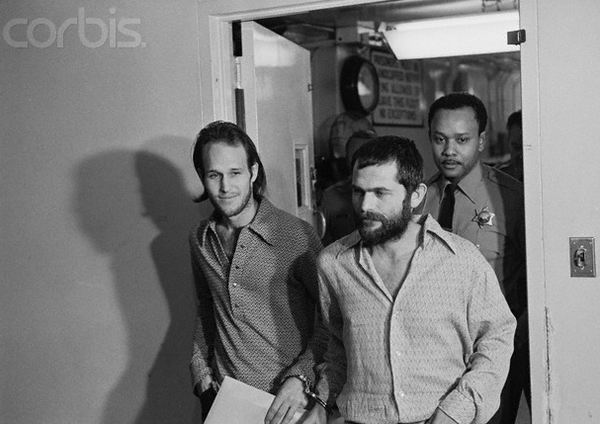
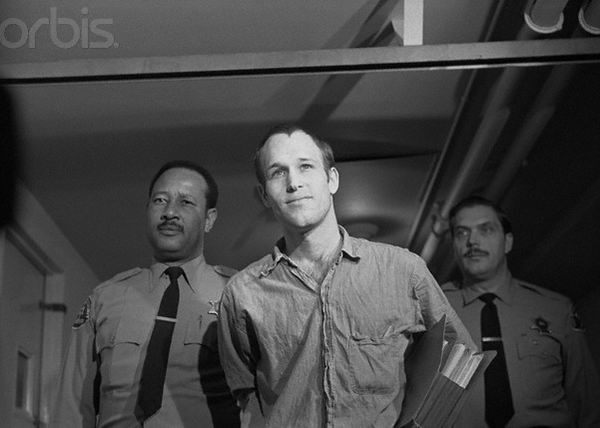
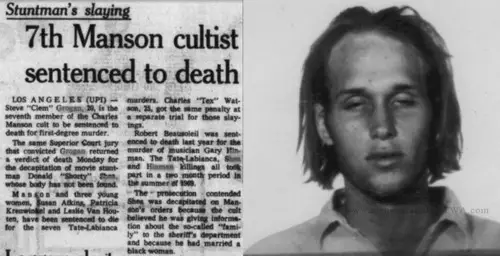
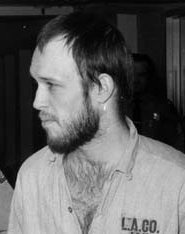
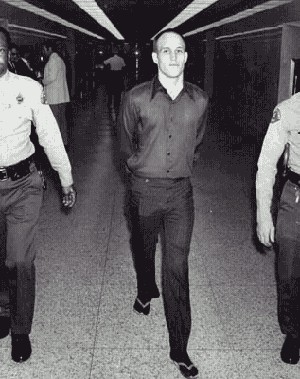
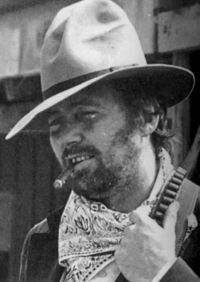
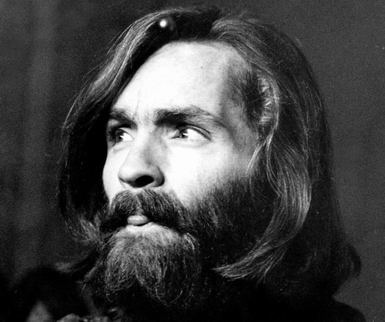
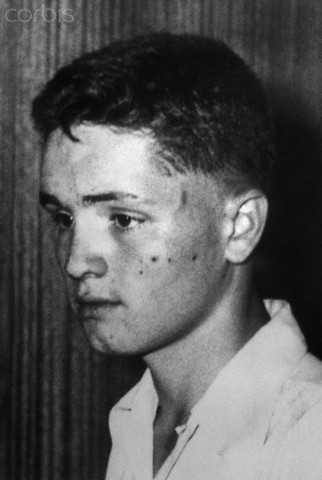
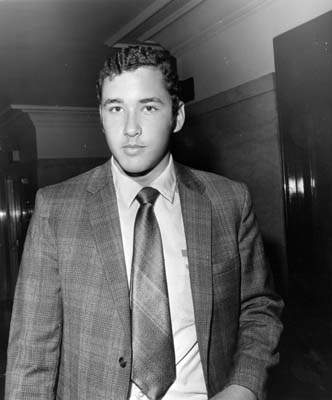
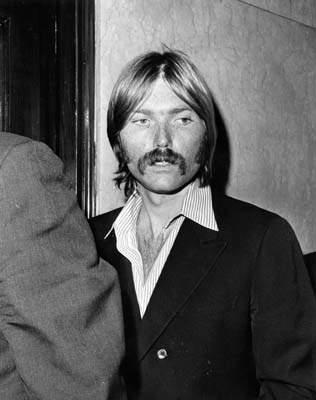
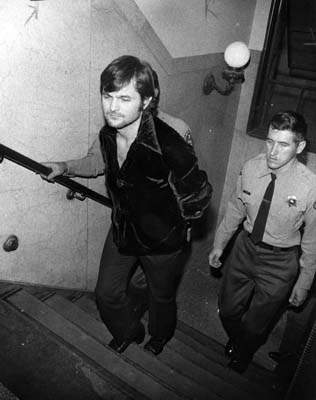
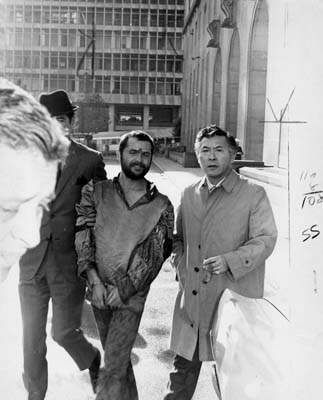
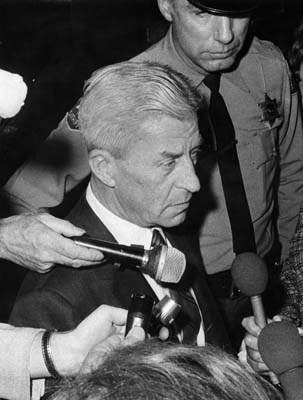
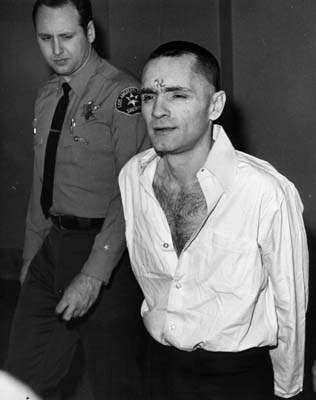
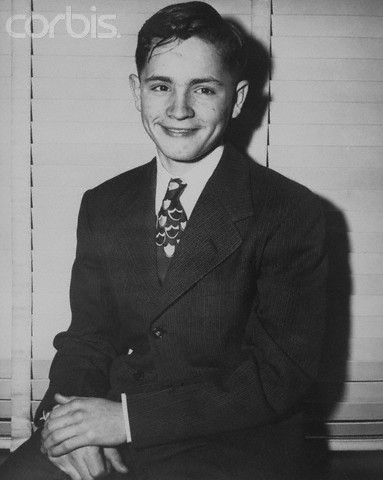
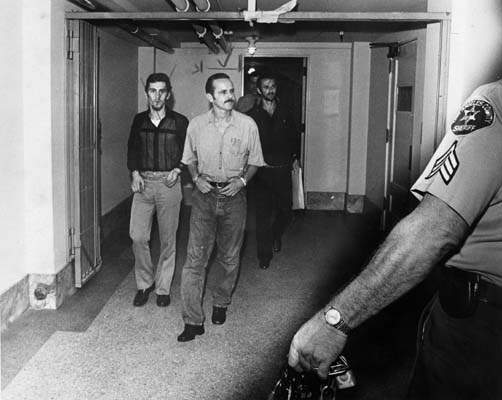
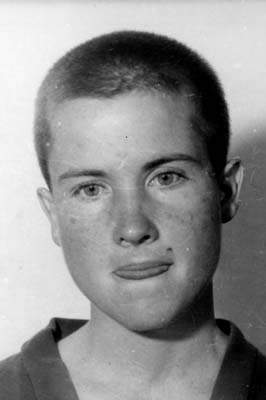
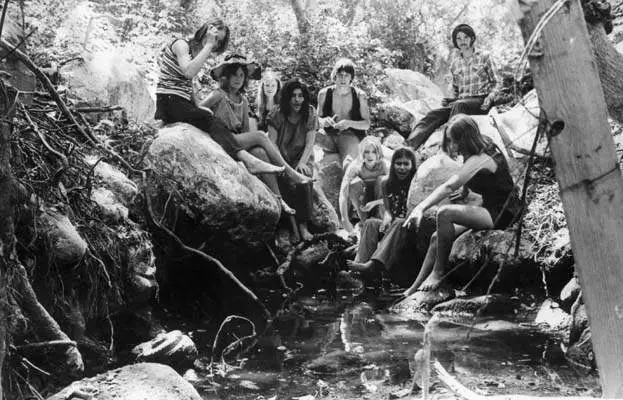
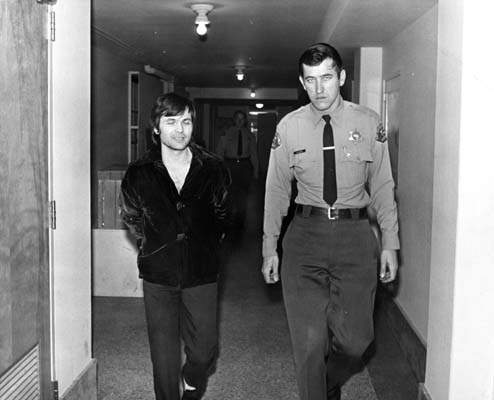
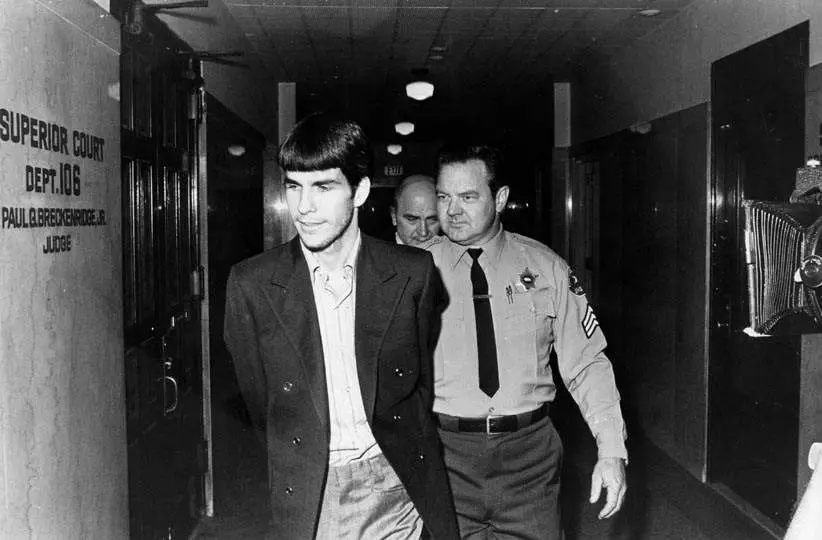
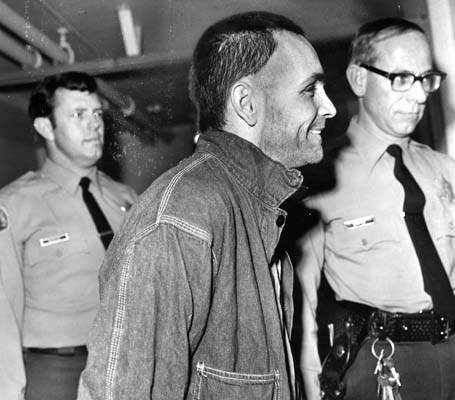
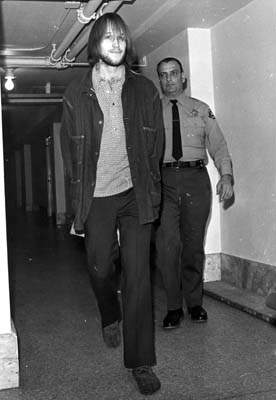
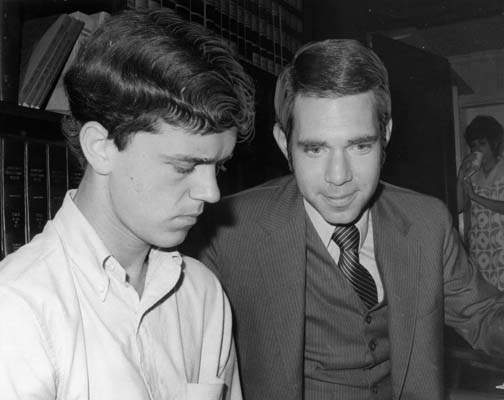
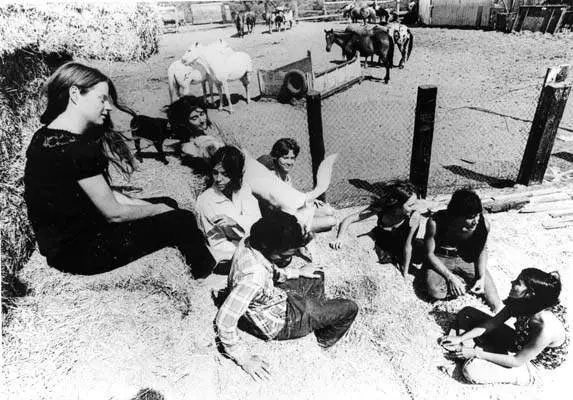
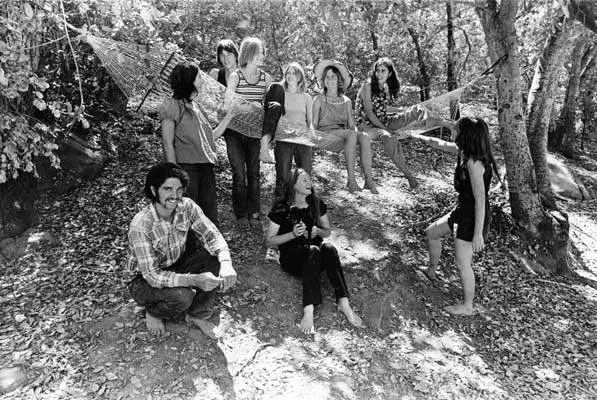
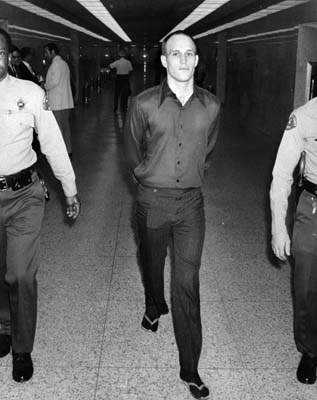
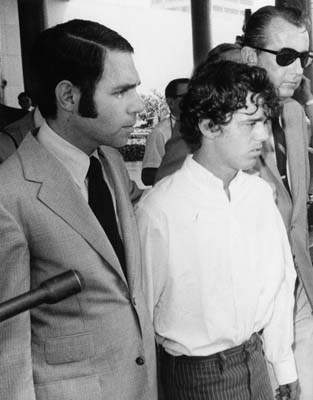
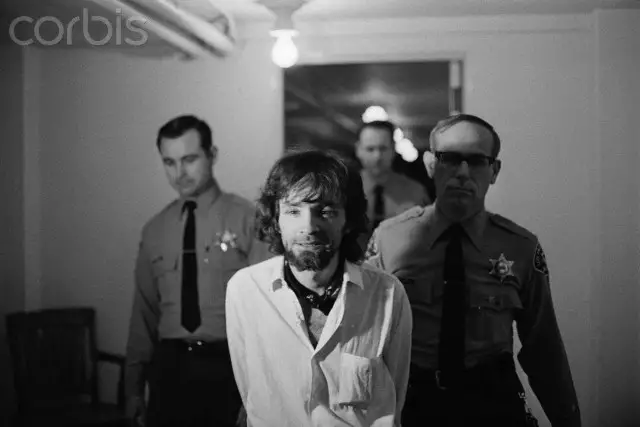
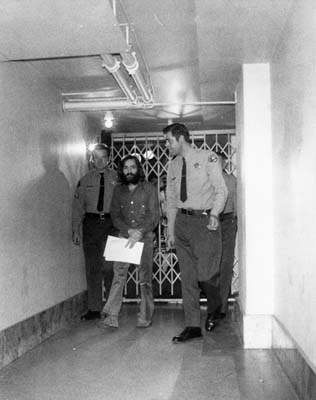
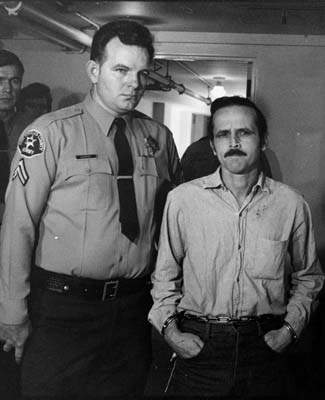
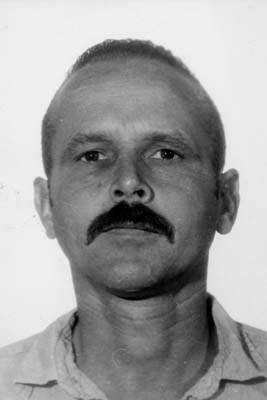
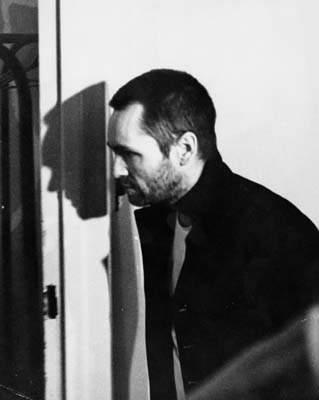
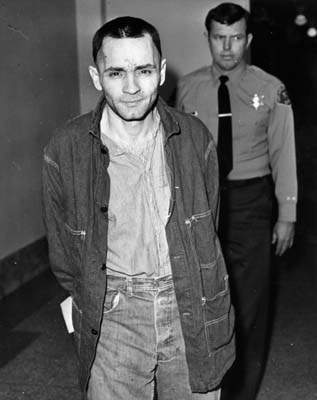
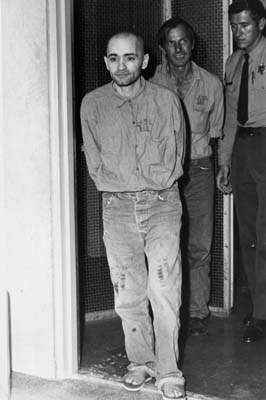
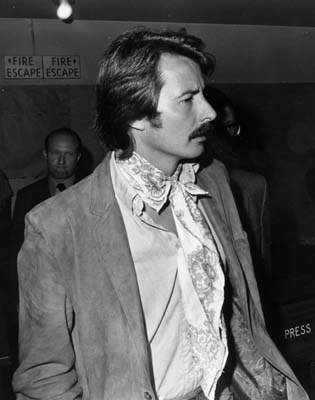
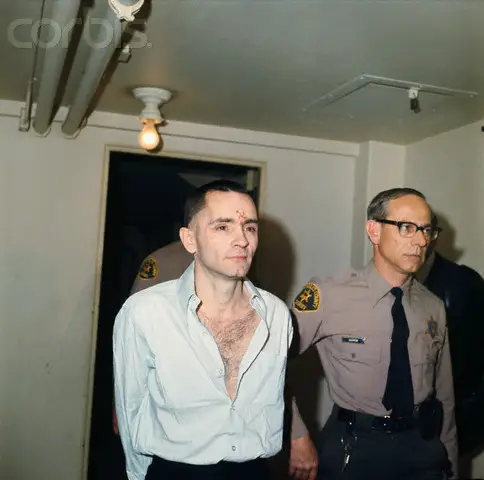
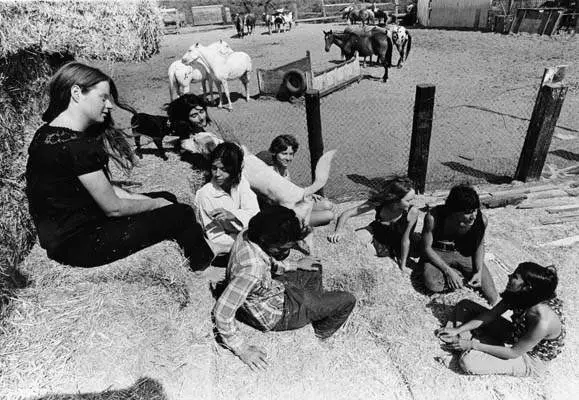
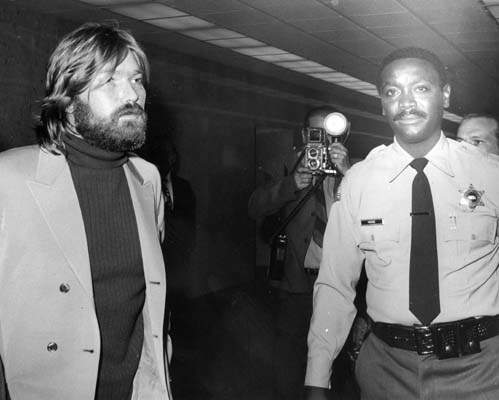
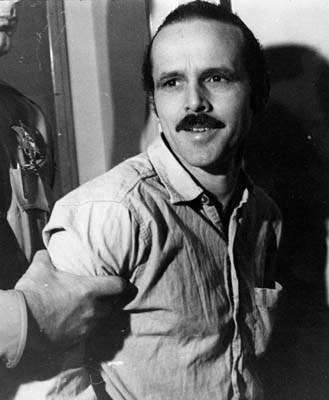
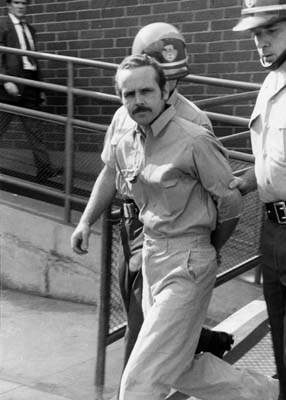
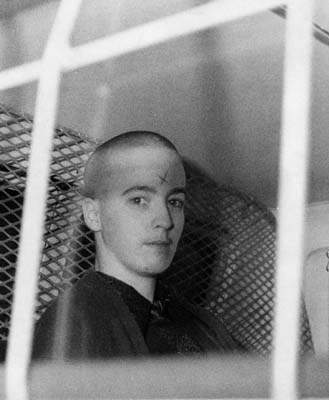
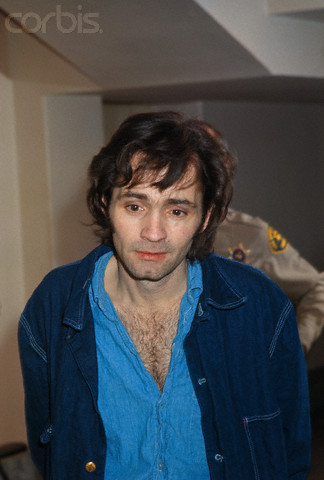
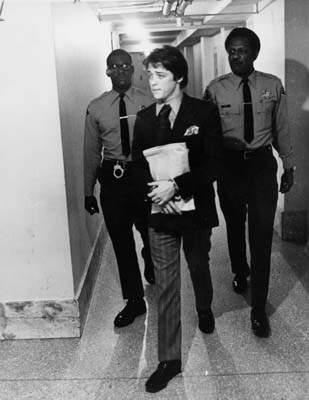
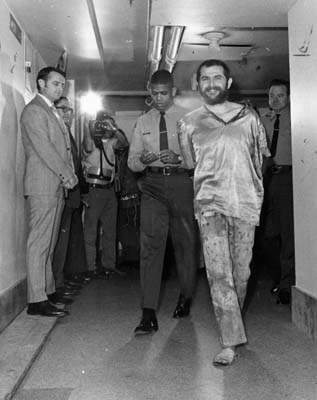
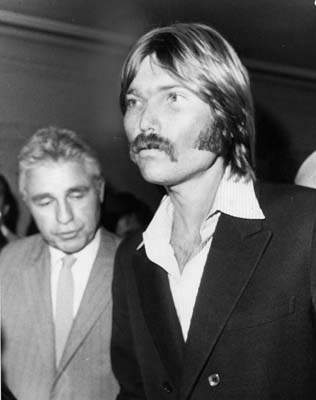
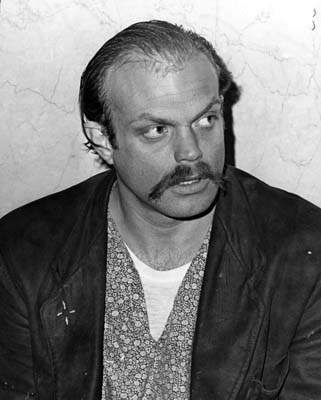
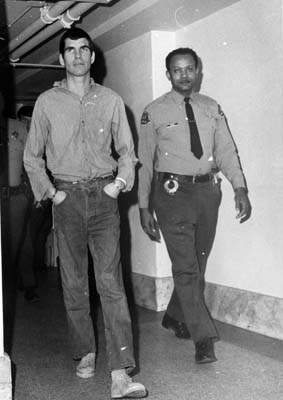
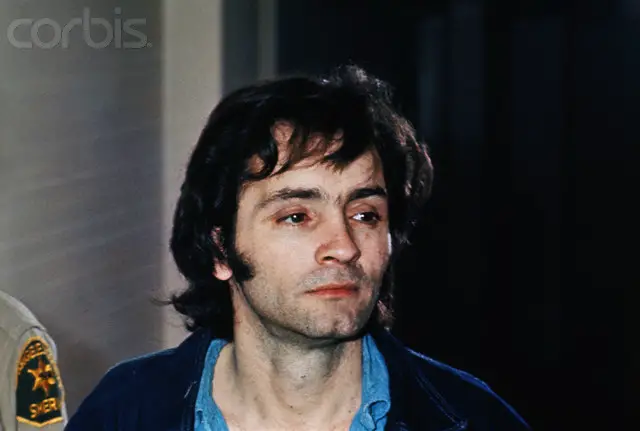
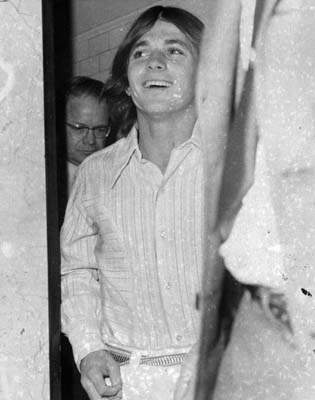
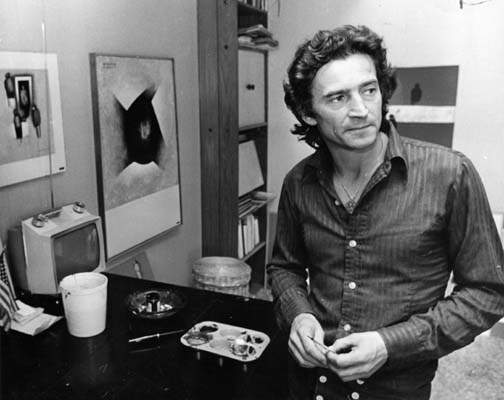
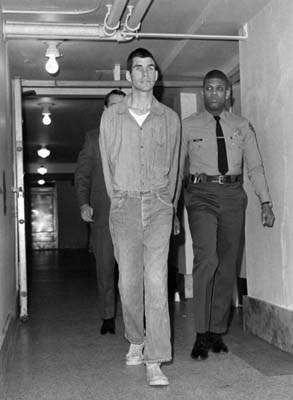
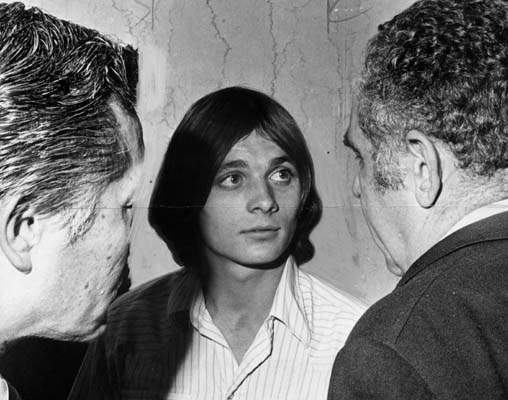
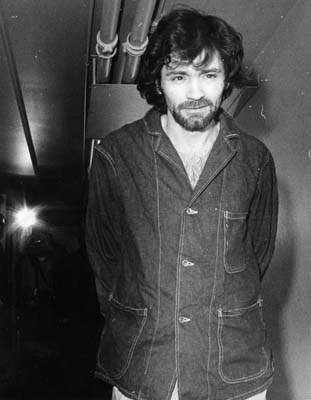
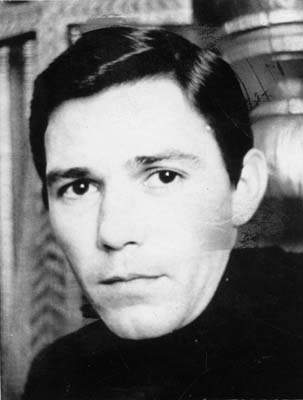
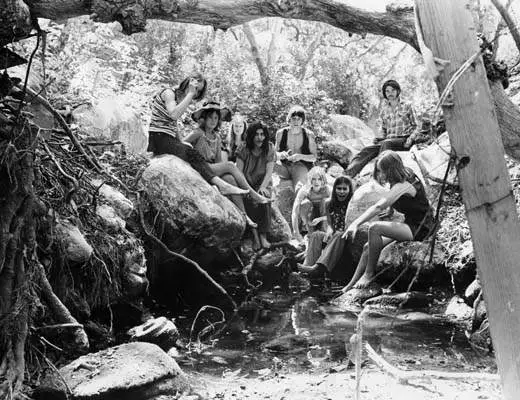
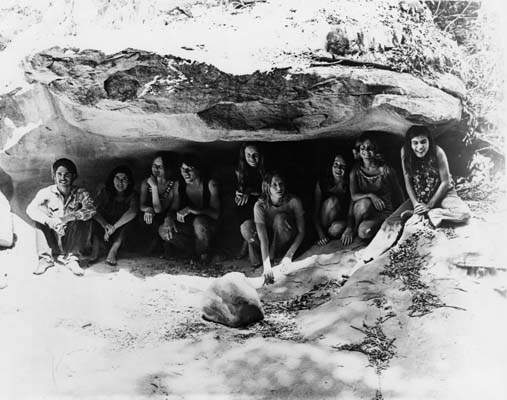
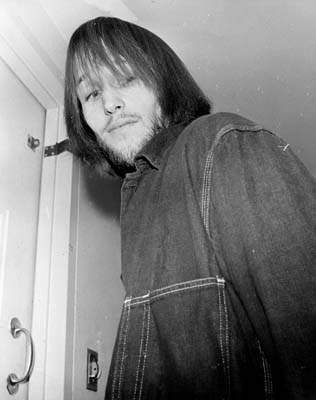
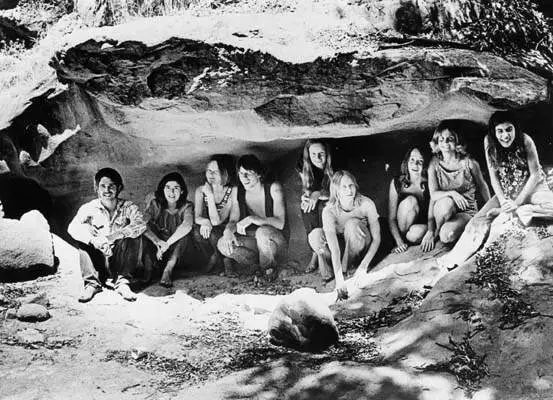
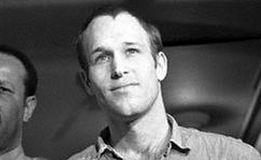
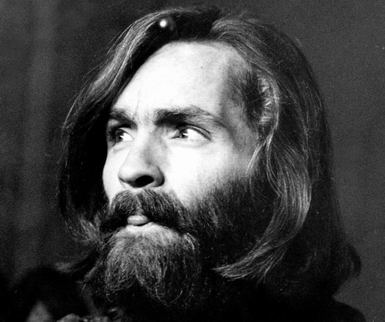
Steve Dennis Grogan (born 1951) was a prominent member of the Manson Family, a cult led by Charles Manson in California during the late 1960s. Known within the group by several aliases, including 'Clem', Grogan was deeply embedded in the cult's indoctrination and criminal activities.
2. Crime Spree
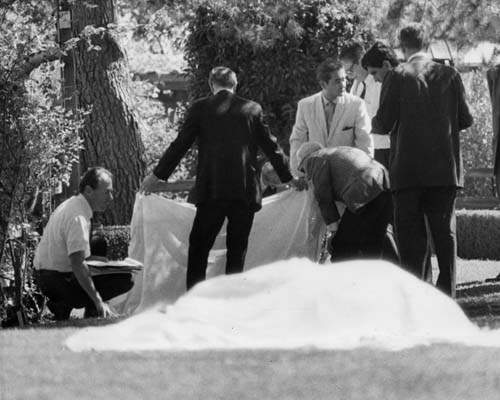
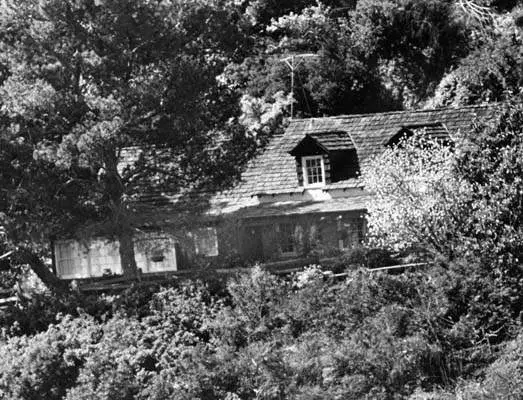
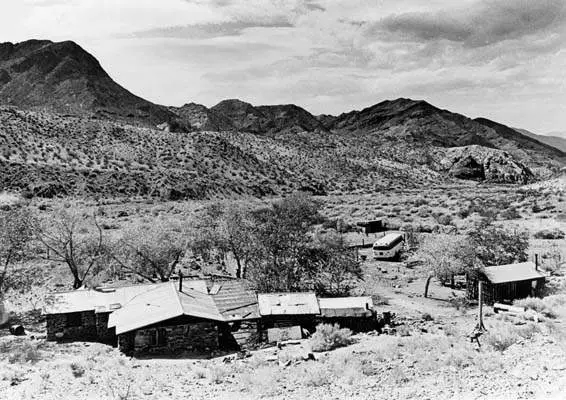
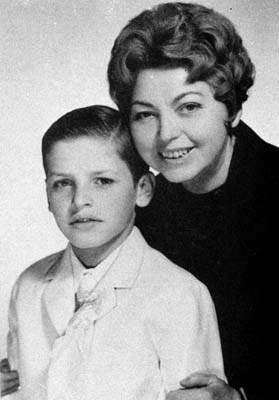
Grogan's most significant criminal act was the murder of Donald Shea, a stuntman at the Spahn Ranch. Shea was targeted by Manson due to his interracial relationship and his perceived threat to the group's security. Grogan and other members brutally murdered Shea, subsequently concealing his remains in a remote location to obstruct justice.
3. Investigation and Arrest
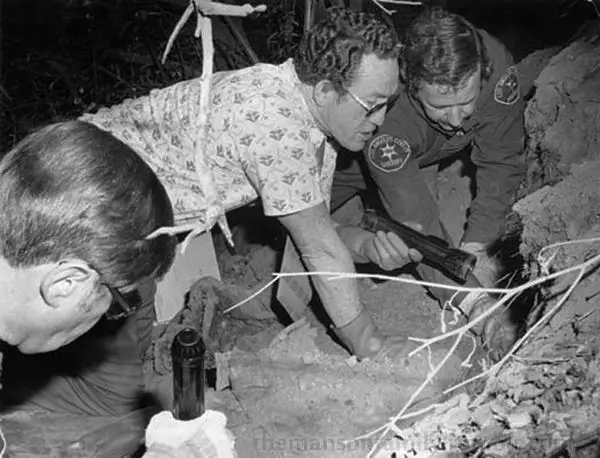
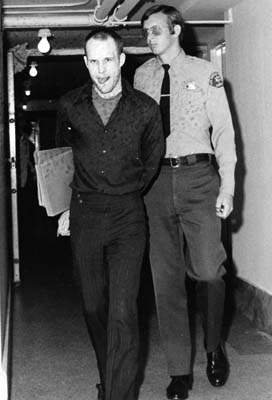
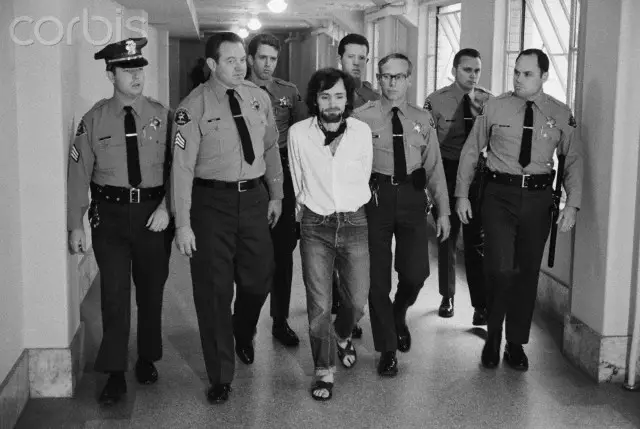
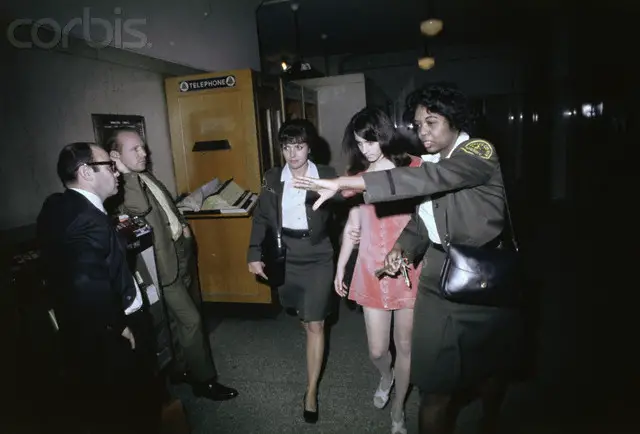
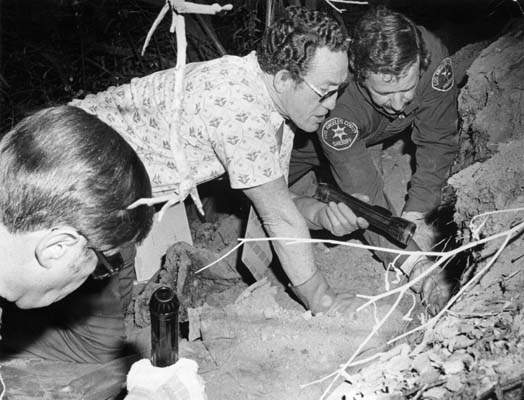
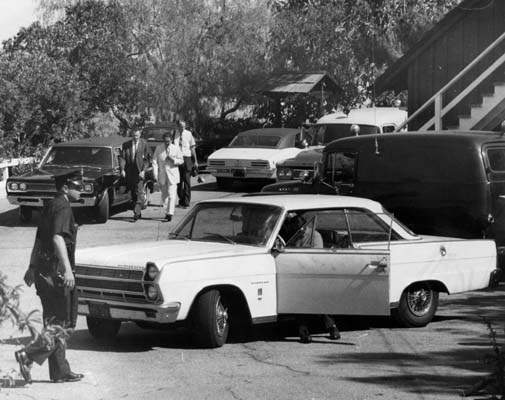
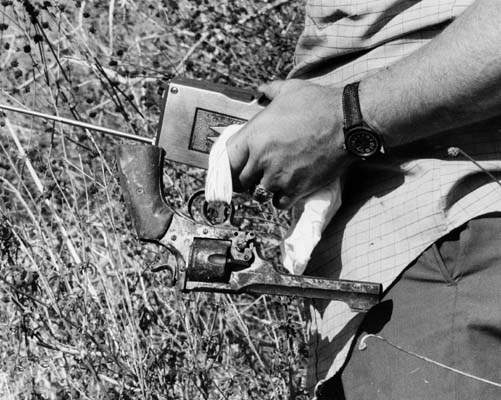
Following the investigation into the Tate-LaBianca murders, law enforcement focused on the broader activities of the Manson Family. Grogan's involvement in the Shea case was uncovered through witness testimony. Crucially, Grogan eventually cooperated with authorities, leading them to the burial site of the victim.
4. Legal Proceedings and Outcome
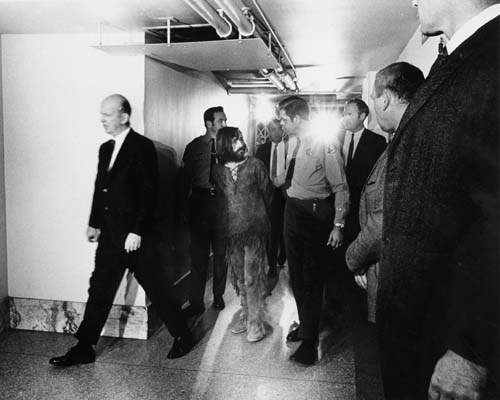
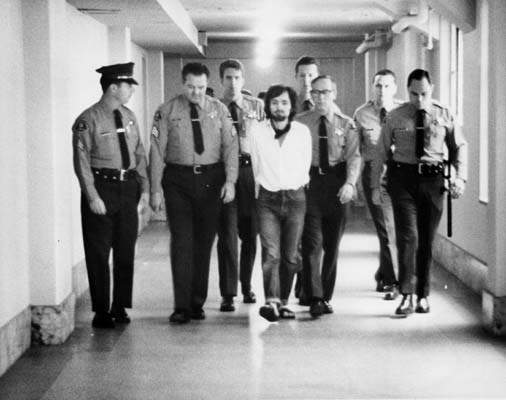
Grogan was convicted of first-degree murder in 1971 and initially sentenced to death. Following the California Supreme Court's ruling on the death penalty, his sentence was commuted to life imprisonment. He remained incarcerated until his parole in 1985.
5. Forensic Psychiatry and Conclusion
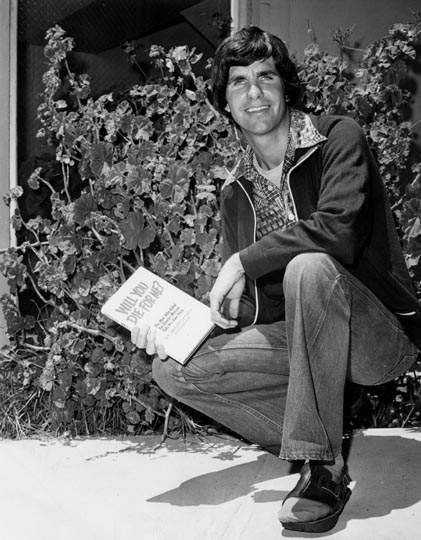
Grogan's release in 1985 marked a significant event in the history of the Manson Family cases, as he was the first convicted murderer from the group to be paroled. His case remains a subject of interest regarding the potential for rehabilitation among individuals involved in high-profile cult-related violence.