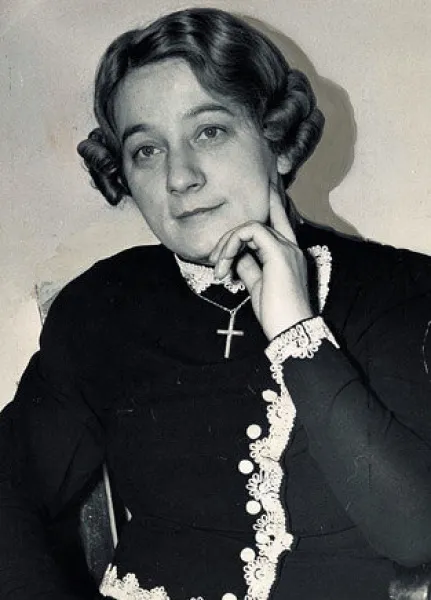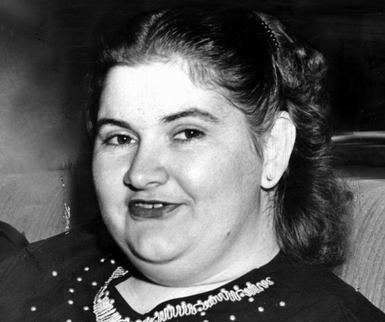
Forensic & Criminological Matrix
| Parameter | Forensic Detail |
|---|---|
| Forensic Heading / Aliases | The Pittsburgh Poisoner |
| Legal Identity | Martha Grinder |
| Confirmed Victims | 2 (Jane R. Buchanan, Mary Caroline Caruthers) |
| Active Timeline | 1864 – 1865 |
| Jurisdiction / Area of Operations | Allegheny City and Pittsburgh, Pennsylvania, United States |
| Criminological Classification | Systemic Serial Killer / Predatory Poisoner |
| Forensic Modus Operandi | Subacute intoxication via lethal administration of arsenic trioxide concealed in food and beverages served to domestic employees and neighbors under the guise of caregiving. |
| Weapon / Mechanism of Death | Arsenic trioxide poisoning |
| Motive / Behavioral Dynamics | Financial gain, theft of personal assets, and psychopathic sadism with covert nurturing dynamics. |
| Judicial Outcome | Convicted of First-Degree Murder. Executed by hanging on January 19, 1866. |
1. Background and Profile
Martha Grinder settled in the Pittsburgh area around 1859 alongside her husband. Initially living in severe economic hardship, her circumstances underwent a sudden and unexplained transformation within months. She relocated to an affluent residence, acquired high-end wardrobes, and integrated herself into respected local social circles.
To account for her sudden prosperity, Grinder fabricated an elaborate fabrication, claiming to be closely related to a wealthy former Governor of Indiana who had allegedly established a $10,000 trust fund for her infant daughter. Leveraging superficial charm, persuasive speech, and active participation in the Ames' Methodist Episcopal Church, she cultivated an image of a pious, altruistic neighbor, concealing a calculating and psychopathic core identity.
2. Crime Spree and Modus Operandi
Grinder's criminal strategy combined the role of a comforting caregiver with lethal toxicology. In February 1864, she targeted Jane R. Buchanan, a frugal domestic servant who possessed substantial savings and personal belongings. On February 24, 1864, Buchanan accepted employment at Grinder's home. That very evening, after consuming meals provided by Grinder, Buchanan suffered sudden, severe gastrointestinal collapse characterized by violent vomiting and purging.
Grinder sequestered the victim, refused outside medical interventions, and secured Buchanan’s personal trunk. Following Buchanan’s death on February 28, 1864, relatives discovered that her bank savings, jewelry, and clothing had been entirely looted. Grinder casually provided items from her own wardrobe to dress the corpse for burial.
In mid-1865, Grinder turned her attention to her neighbors, the Caruthers family in Gray’s Alley. She inserted herself into the household of Mary Caroline Caruthers, offering to cook and care for her. Soon after, Mrs. Caruthers developed acute, agonizing abdominal illness and neurological deterioration, leading to her death. Other associates, including a Mrs. Hutchinson and attendees at local wake suppers, suffered similar acute arsenic poisoning symptoms after consuming food prepared by Grinder.
3. Police Investigation and Arrest
Following the death of Mary Caroline Caruthers in August 1865, her husband, James A. Caruthers, alerted law enforcement, linking his wife's fatal illness to the food consistently supplied by Martha Grinder. On August 24, 1865, Caruthers filed a formal murder complaint before Mayor Lowry.
On August 25, 1865, Officers Messner and Herron arrested Martha Grinder at her residence in Gray's Alley. Toxicological examinations performed on victim remains confirmed lethal concentrations of arsenic trioxide, invalidating initial assumptions of natural illness and establishing a definitive forensic link.
4. Legal Proceedings and Conviction
Martha Grinder stood trial in October 1865 before Judge Sterrett at the Court of Oyer and Terminer in Pittsburgh. The prosecution presented overwhelming circumstantial and forensic evidence demonstrating Grinder’s access to arsenic, her exclusive control over the victims' food, and her subsequent financial enrichment from their deaths.
On October 28, 1865, the jury rendered a unanimous verdict of guilty of murder in the first degree. Grinder exhibited complete stoicism throughout the announcement. On November 25, 1865, she was officially sentenced to death by hanging.
5. Psychiatric Evaluation and Execution
Clinical observations revealed no evidence of psychosis or legal insanity; Grinder operated with complete cognitive awareness, meticulous planning, and profound emotional coldness. Her actions represented a textbook case of homicidal poisoning driven by greed and psychopathic manipulation.
On January 19, 1866, following executive approval by Pennsylvania Governor Andrew G. Curtin, Martha Grinder was executed by hanging in the yard of the Allegheny County Prison, closing one of the most infamous forensic poisoning cases of nineteenth-century America.