



Forensic & Criminological Matrix
| Parameter | Forensic Detail |
|---|---|
| Forensic Heading / Aliases | "Aunt Thally", "Aunty Carrie" |
| Legal Identity | Caroline Mickelson (married Grills) |
| Confirmed Victims | 4 confirmed homicides, multiple attempts |
| Active Timeline | 1947 - 1953 |
| Jurisdiction / Area of Operations | Sydney and metropolitan area (New South Wales, Australia) |
| Criminological Classification | Serial poisoner / Comfort killer |
| Forensic Modus Operandi | Surreptitious administration of thallium (rat poison) in hot tea and home-baked goods during social family visits |
| Weapon / Mechanism of Death | Thallium salts (slow-acting systemic toxic agent) |
| Motive / Behavioral Dynamics | Control, envy, sadistic gratification, and secondary gain |
| Judicial Outcome | Sentenced to death in 1953; commuted to life imprisonment; died in custody in 1960 |
1. Background and Profile
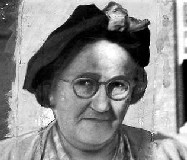
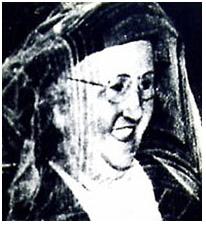
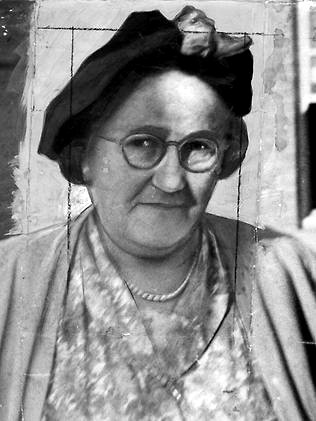
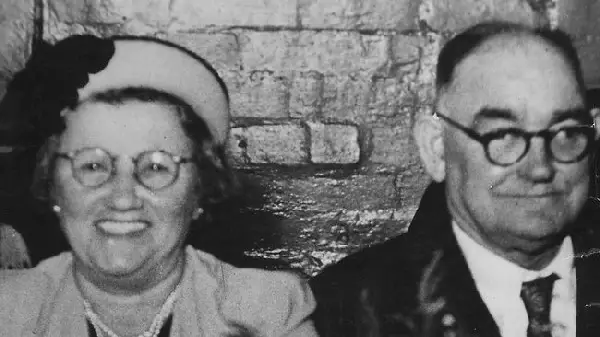
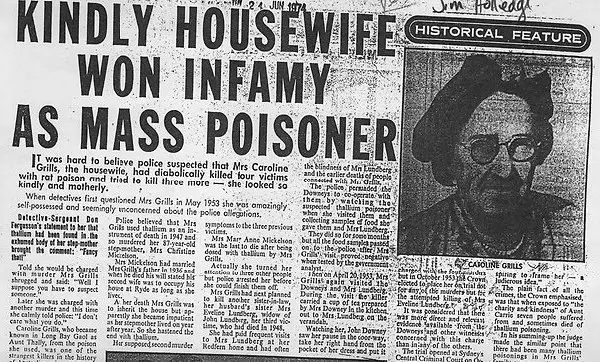
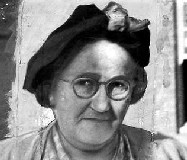
Caroline Grills was born circa 1888 in Balmain, Sydney, the daughter of laborer George Mickelson and his wife Mary. In April 1908, she married real-estate agent Richard William Grills, bearing six children. Described as a short, dumpy, matronly woman wearing thick-rimmed glasses, she successfully cultivated the public persona of a warm, attentive aunt devoted to baking and visiting her extended family.
2. Criminal Career and Modus Operandi
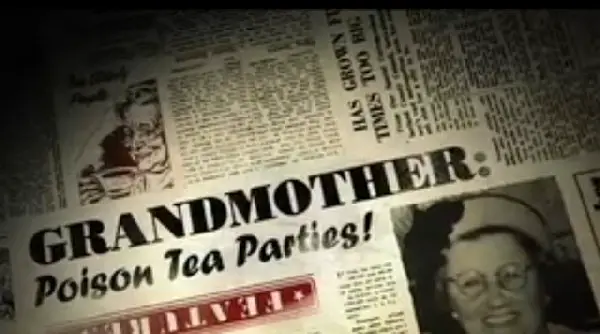
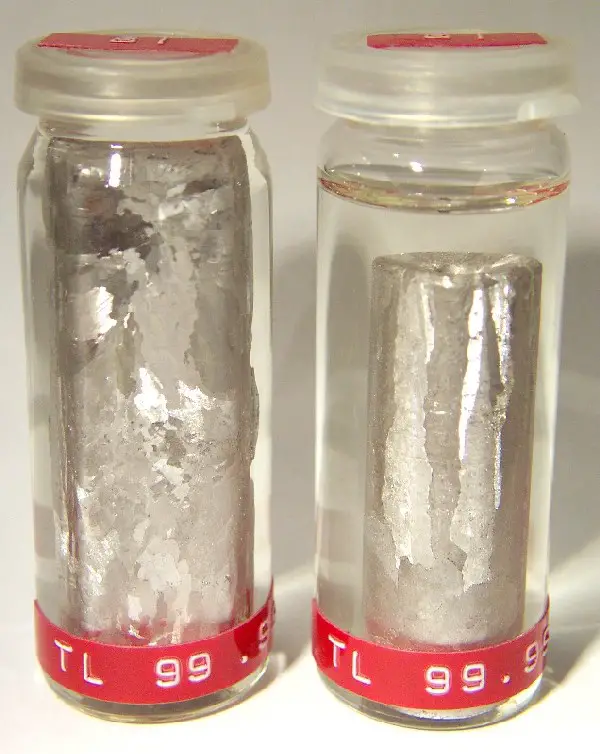
Beneath her benign facade, Grills operated as a methodical poisoner. Visiting relatives bearing home-baked goods and freshly brewed tea, she laced the beverages with thallium, an odorless and tasteless rat poison. The toxicological effects—including hair loss, peripheral neuropathy, progressive blindness, and loss of speech—frequently baffled contemporary physicians who misdiagnosed the symptoms as natural pathologies. Her lethal series began around 1947 with the death of her stepmother, Christina Mickelson, and progressively targeted several members of her marital family.
3. Investigation and Arrest
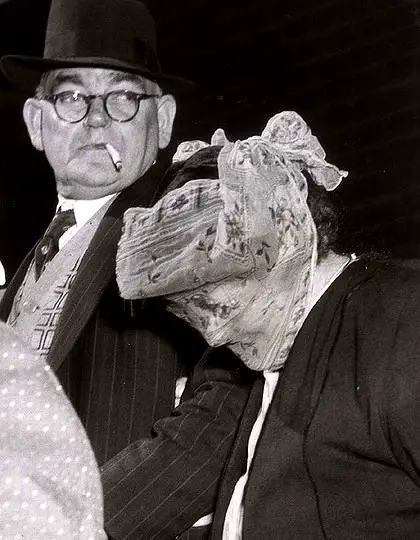
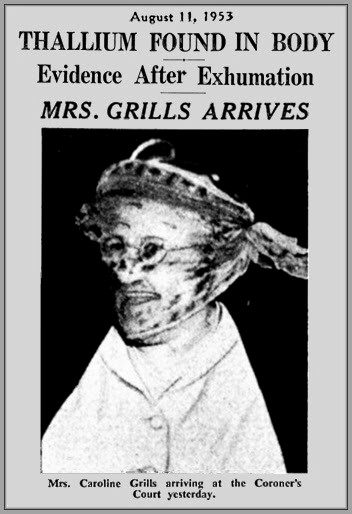
Her arrest in May 1953 coincided with public panic over a wave of thallium poisonings across Sydney. Suspicion finally crystallized when John Downey, a relative who had previously suffered mysterious illnesses and read press accounts of poisonings, observed Grills reaching into her dress pocket and depositing a substance into a cup of tea intended for her mother, Eveline Lundberg. Downey switched the cups, preserved the contaminated beverage, and handed it to the police. Laboratory tests confirmed lethal doses of thallium, prompting the exhumation of previous victims whose remains tested positive for the heavy metal.
4. Legal Proceedings and Outcome
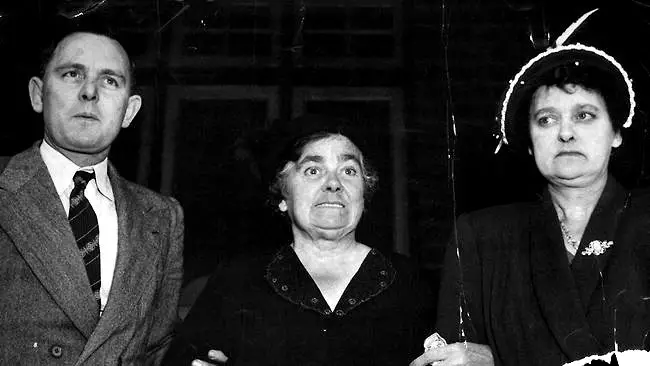
In October 1953, Grills stood trial at the Central Criminal Court in Sydney. Although linked to multiple deaths, the Crown prosecuted her primarily on charges of attempted murder regarding Eveline Lundberg and Christine Downey. Her courtroom demeanor—marked by inappropriate laughter and detached behavior—cemented her image as a malevolent predator. The jury deliberated for a mere 12 minutes before returning a guilty verdict. She was sentenced to death, though the sentence was later commuted to life imprisonment in April 1954.
5. Behavioral Analysis and Resolution
Imprisoned at the State Reformatory for Women, Grills earned the moniker "Aunt Thally" among inmates. Prosecutors characterized her as a thrill-seeking killer who poisoned for sport and the secret knowledge of her victims' suffering. Her incarceration ended on October 6, 1960, when she was rushed to Prince Henry Hospital and died from peritonitis resulting from a ruptured gastric ulcer, remaining a chilling enigma in Australian criminal history.